
Companion Plants
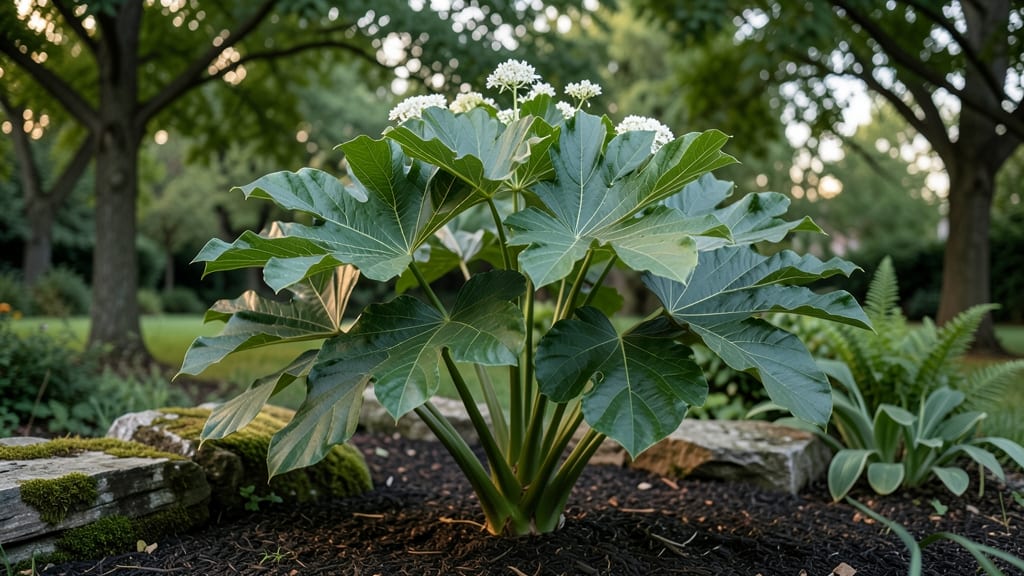
Plants requiring shade can turn your darkest corners into vibrant green escapes—just look at my north-facing patio, now bursting with life. The key is matching foliage types to your specific shade level, whether it’s dappled light or deep shadow.
Most shade plants need well-draining, rich soil (think compost mixed into garden beds) and consistent moisture—they hate drying out. Ferns, hostas, and impatiens thrive where others fail, while astilbes and heucheras add bold colors without needing direct sunlight.
The trick? Plant them where they’ll get at least 4-6 hours of indirect light daily.
You’ll end up with vibrant foliage year-round, even in the shadiest spots. Hostas grow lush and sturdy, ferns add texture, and impatiens burst with blooms—all while keeping maintenance simple. Just avoid overwatering (root rot is a real risk) and fertilize lightly in spring.
Works for balconies, woodland gardens, or even under trees. Here’s how to pick the perfect plants for your shade level—no guesswork, just growth.
📚 In This Guide
- What you need
- Instructions
- Tips and common mistakes
- Wrapping up and next steps
What you need
- ● Shade-tolerant plants: 3–5 varieties (e.g., Hostas, Ferns, Caladiums, Astilbes, or Hellebores). Choose based on your shade level (full, partial, or dappled).
- ● High-quality potting soil: 5–10 gallons (look for moisture-retentive, well-draining mixes labeled for shade plants).
- ● Organic compost: 2–3 gallons (to enrich soil and improve drainage).
- ● Slow-release fertilizer: 1–2 lbs (balanced 10-10-10 or organic options like fish emulsion).
- ● Mulch: 2–3 bags (shredded bark or pine straw to retain moisture and suppress weeds).
- ● Garden trowel or hand shovel: 1 (for planting and soil prep).
- ● Pruners: 1 pair (sterilized, for trimming or dividing plants).
- ● Watering can or hose with a gentle spray nozzle: 1 (shade plants prefer consistent moisture).
- ● Gloves: 1 pair (to protect hands from soil and sharp plant edges).
- ● Measuring tape or ruler: 1 (to space plants correctly—check tags for mature sizes!).
- ● Shade fabric: 1–2 rolls (for areas with partial shade to filter harsh light).
- ● Self-watering planters: 1–2 (for containers or tricky spots).
- ● Decorative stones or pebbles: 1 bag (for mulch topper and aesthetic appeal).
- ● Plant markers: 5–10 (to label varieties and track care needs).
- ● Soil pH test kit: 1 (to ensure your soil is slightly acidic to neutral (6.0–7.0), ideal for most shade plants).
Step-by-step guide to selecting and cultivating thriving shade-loving plants
Here's how to transform dim corners into lush, vibrant spaces with minimal sunlight.
Assess Your Shade Conditions
Not all shade is equal—first determine if your space receives partial shade (3-6 hours of indirect light) or deep shade (less than 3 hours). I use a simple test: if you can read a book comfortably without a lamp, it's partial shade. If you need a light to see clearly, it's deep shade. This distinction guides plant selection.
Check for seasonal light shifts too. Windows facing north often receive less light in winter, while east-facing windows may get morning sun. I always err on the side of shade-tolerant plants when in doubt—overestimating light is a common mistake that leads to leggy, weak growth.
Choose Plants Based on Light Requirements
For partial shade, prioritize plants like hostas, ferns, or astilbes—they thrive with morning sun and afternoon shade. In deep shade, opt for calathas, lungwort, or Japanese painted ferns, which evolved to capture minimal light. I avoid impatiens in deep shade; they'll stretch pitifully toward any available light source.
Consider leaf texture too. Plants with broad leaves (like hostas) perform better in partial shade, while narrow-leaf varieties (like carex sedges) handle deep shade more gracefully. Always verify a plant's mature size—crowding will occur faster in low-light conditions where growth is slower.
Prepare the Soil for Optimal Growth
Shade plants often struggle with compacted or nutrient-poor soil. Amend the area with 3-4 inches of organic matter—compost or well-rotted leaf mold works best. I like to mix in a slow-release fertilizer (like 5-10-5) at planting to give roots an immediate nutrient boost without risking burn.
Test soil moisture too. Shade plants typically require more consistent moisture than sun-lovers. If your soil drains too quickly, add 1-2 inches of peat moss to improve water retention. Overwatering is riskier in shade, so I always check soil moisture by hand—if the top 2 inches feel dry, it's time to water.
Plant and Mulch for Long-Term Success
Dig holes twice as wide as the root ball but no deeper. This encourages root expansion into the surrounding soil. Gently tease apart any circling roots before placing the plant in the hole—this prevents girdling as the plant matures. Fill the hole with native soil, pressing lightly to eliminate air pockets.
Apply 2-3 inches of mulch (shredded bark or wood chips) to retain moisture and suppress weeds. Keep mulch 2 inches away from plant stems to prevent rot. I always water deeply after planting to settle the soil and remove any air gaps that could dry out roots.
Monitor and Adjust Care Through the Seasons
Shade plants often show stress as yellowing leaves or stunted growth—usually a sign of insufficient light or overwatering. If leaves appear pale, move the plant to a slightly brighter spot (but never full sun). For deep shade, I supplement with grow lights in winter when daylight diminishes.
Fertilize lightly in spring with a balanced, water-soluble fertilizer (like 10-10-10) diluted to half-strength. Shade plants don't need heavy feeding—they grow slower and absorb nutrients gradually. I avoid fertilizing in late summer, as new growth won't harden off before winter.
Tips & tricks for thriving shade plants
These insights will help you avoid common pitfalls when cultivating shade-loving plants in low-light conditions.
Light Assessment: Use a simple test to determine your shade type—if you can read comfortably without a lamp, it's partial shade (3-6 hours of light). For deep shade (less than 3 hours), consider supplementing with grow lights during winter months when daylight is minimal. This distinction is critical because plants like hostas and ferns need different care based on their light exposure.
Soil Preparation: Amend your soil with 3-4 inches of organic matter like compost before planting, as shade plants often struggle with compacted soil. I like to mix in a slow-release fertilizer (5-10-5) at planting time to provide immediate nutrients without risking burn. For areas with fast-draining soil, add 1-2 inches of peat moss to improve moisture retention—this is especially important since shade plants require more consistent watering than sun-loving varieties.
Planting Technique: When planting, dig holes twice as wide as the root ball but no deeper to encourage root expansion. Gently tease apart any circling roots before placing the plant in the hole—this prevents girdling as the plant matures. After planting, apply 2-3 inches of mulch (shredded bark or wood chips) while keeping it 2 inches away from stems to prevent rot. This mulch layer helps retain moisture and suppress weeds, both critical factors for shade plants.
Seasonal Adjustments: In winter, monitor your shade plants closely for signs of stress like yellowing leaves or stunted growth. If leaves appear pale, consider moving the plant to a slightly brighter spot (but never full sun). For deep shade areas, supplement with grow lights during winter months when daylight is significantly reduced. Fertilize lightly in spring with a balanced, water-soluble fertilizer (like 10-10-10) diluted to half-strength—shade plants grow slower and don't need heavy feeding.
Pro Tips for Plants Requiring Shade
- These insights will help you avoid common pitfalls when cultivating shade-loving plants in low-light conditions.
- Light Assessment: Use a simple test to determine your shade type—if you can read comfortably without a lamp, it's partial shade (3-6 hours of light).
- Soil Preparation: Amend your soil with 3-4 inches of organic matter like compost before planting, as shade plants often struggle with compacted soil.
Frequently asked questions
Got questions about keeping your shade-loving plants happy? You’re not alone! Here are answers to the most common queries to help you turn those dim corners into lush, thriving green spaces.
What are the best low-light plants for beginners?
Start with snake plants, ZZ plants, or pothos—they’re nearly indestructible! These plants tolerate neglect, irregular watering, and thrive in indirect light. For a pop of color, try peace lilies or cast iron plants, which are equally forgiving.
How often should I water shade plants?
Shade plants typically need water less frequently than sun-loving varieties. Let the top inch of soil dry out before watering—usually every 1-2 weeks, depending on humidity. Overwatering is a bigger risk in low-light areas, so always check moisture levels with your finger!
Can I grow vegetables or herbs in shade?
Yes! Opt for leafy greens like spinach or kale, bok choy, or herbs such as cilantro and parsley. Avoid heavy producers like tomatoes or peppers—they need full sun. Use containers with well-draining soil and place them near a north-facing window or under sheer curtains for best results.
Why are my shade plants turning yellow or droopy?
Yellow leaves often signal overwatering or poor drainage. Drooping can mean underwatering or root stress. Check the soil moisture, ensure pots have drainage holes, and rotate plants occasionally for even light exposure. If pests like spider mites are present, wipe leaves with a damp cloth or use neem oil.
Are there shade plants that also purify the air?
Spider plants, Boston ferns, and peace lilies are NASA-approved air purifiers. Place them in low-light spots to clean indoor air while adding greenery. Just ensure they’re not in complete darkness—even a few hours of indirect light helps them thrive!
Wrapping up and next steps
Transforming those shady spots in your garden or home into lush, vibrant spaces is easier than you think! 🌿 Whether you’re a seasoned gardener or just starting out, plants requiring shade offer beauty, resilience, and low-maintenance charm.
From ferns and hostas to calatheas and peace lilies, these greens thrive where others falter—proving that shade doesn’t mean sacrificing style.
Ready to bring life to your dim corners? Start small: Pick one plant from our list, gather the right supplies, and watch your space bloom with confidence. Happy gardening! 🌱