
Plants
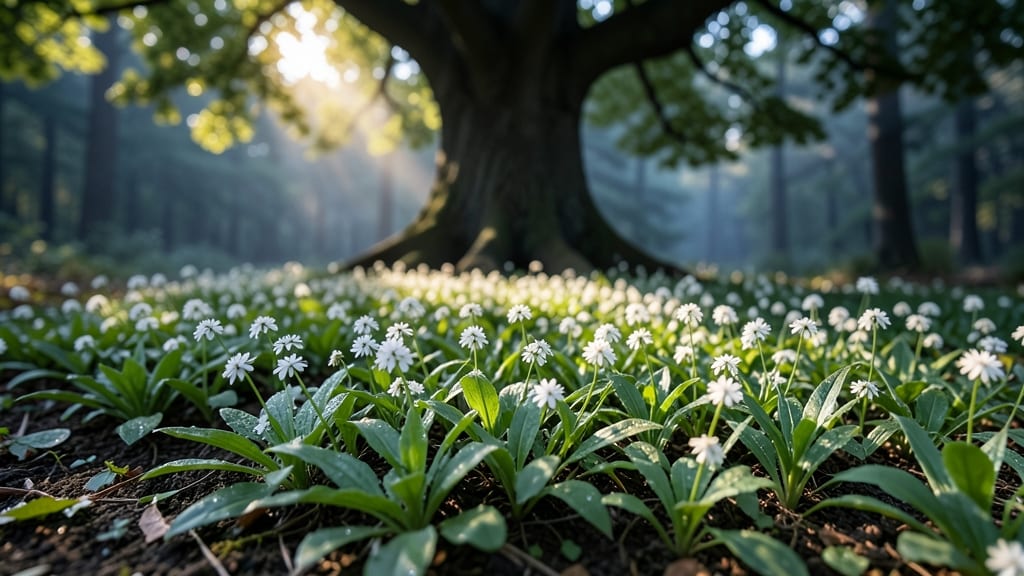
Struggling to make your shady garden thrive? These 10 hardy perennials not only survive in low-light conditions but also bring year-round color, texture, and minimal upkeep to your darkest garden corners.
Hostas for Lush Green Foliage

If you’ve ever struggled to find a shade-tolerant plant that’s both stunning and effortless, hostas are your answer. These hardy perennials thrive in deep shade, produce variegated foliage in shades of blue, green, and gold, and even deter deer—making them the ultimate low-maintenance foundation plant for any dark corner of your garden.
Hostas prefer moist, well-draining soil and can handle full to partial shade, though they’ll appreciate a few hours of filtered light for the best color. With over 2,500 varieties, you can mix textures and colors to create a lush, layered look. Simply divide clumps every 3-4 years to keep them vigorous, and mulch around the base to retain moisture and suppress weeds.
Perfect for beginners, hostas are the backbone of any shady garden, offering year-round interest with minimal fuss. Whether you’re filling in under trees or lining a shady pathway, they’ll bring life to your darkest spots with ease. 🌱
Hellebores for Early Spring Blooms

When the rest of your garden is still sleeping under winter’s blanket, helleborus niger—or Lenten roses—burst into bloom, offering delicate flowers in shades of white, pink, and purple. These shade-loving perennials thrive where others falter, making them the unsung heroes of early spring gardens.
Plant them in well-draining soil under trees or along north-facing walls, where they’ll reward you with blooms from late winter through early spring. Their leathery, evergreen leaves also provide year-round structure, while their flowers attract early pollinators like bees. Deadhead spent blooms to encourage more flowers, but otherwise, they’re nearly maintenance-free.
Perfect for woodland gardens, city courtyards, or any spot with heavy shade, hellebores bring life when it’s most needed—no fuss, just beauty. 🌷
Ferns for Airy Texture

If your shady garden feels stiff and static, ferns are the secret weapon for adding life and movement. Unlike rigid shrubs or broad-leaved perennials, ferns create a dancing, airy texture that responds to the slightest breeze—ideal for woodland gardens, under trees, or near water features where moisture lingers.
For low-light conditions, opt for Japanese painted fern (with its silvery fronds and red stems) or maidenhair fern (delicate and lacy). These thrive in moist, well-draining soil and tolerate dappled shade better than full sun. Once established, they require almost no care—just occasional watering during dry spells and a light mulch to retain humidity.
Ferns are perfect for beginners or busy gardeners who want effortless elegance. Their lush foliage softens harsh edges, while their year-round interest (even when not blooming) keeps shady spots looking vibrant. 🌿
Astilbes for Feathery Plumes

Transform your shady garden into a dreamy, romantic retreat with astilbes—these perennials produce feathery plumes in soft pinks, whites, and reds that sway gently in the breeze. Unlike sun-loving blooms, they thrive in partial to full shade, making them perfect for woodland edges or beneath trees where other flowers struggle.
Plant them in moist, well-draining soil and keep the roots consistently damp (but not soggy) for the best results. Their late-summer to early-fall blooms provide color when many gardens are winding down, and they’re deer-resistant—a bonus for rural gardeners. Varieties like ‘Fanal’ (deep pink) or ‘Deutschland’ (white) add height and drama to borders.
Urban gardeners with small spaces will love that astilbes grow well in containers, while woodland gardeners can use them to soften rocky edges or create a cottage-garden feel. Their airy texture also makes them ideal for cutting gardens. 🌷
Lungwort for Unique Spotted Leaves

Tired of seeing bare spots under your trees? Lungwort (pulmonaria) transforms those shady areas into a living work of art with its silver-spotted foliage that gradually shifts to solid green as spring arrives.
This hardy perennial thrives in partial to full shade, making it ideal for woodland gardens or areas where sunlight is scarce. Its early spring blooms in shades of blue, pink, or purple provide a stunning contrast to the emerging green foliage. Plus, lungwort is drought-tolerant once established, so you won’t need to fuss over watering.
Gardeners who love textural interest and low-maintenance plants will adore lungwort—it’s perfect for borders, woodland gardens, or even as a striking focal point under trees. 🌿
Coral Bells for Vibrant Foliage

Tired of shady spots that look dull and lifeless? Coral bells (Heuchera) are your secret weapon—these perennials pack a punch with foliage in every shade of the rainbow, from deep burgundy to sunshine yellow, all while thriving where other plants struggle.
What makes them stand out is their adaptability: plant them in containers on patios or tuck them into garden beds where they’ll spread gently over time. They prefer partial to full shade and tolerate everything from rocky soil to moist woodland conditions. For extra drama, pair contrasting colors—like lime-green leaves next to purple hostas—for a high-impact, low-effort look.
Perfect for urban gardeners with limited space or anyone craving year-round color without the fuss, coral bells are the ultimate shade garden MVP. 💚
Bleeding Heart for Romantic Flowers

Transform your shady garden into a dreamy cottage escape with bleeding heart (Dicentra spectabilis), a shade-loving perennial that blooms with delicate, heart-shaped flowers in soft pink or white. Unlike sun-hungry perennials, this plant thrives in dappled shade to full shade, making it perfect for understory planting or north-facing beds.
Its arching stems create a cascading effect, ideal for spilling over walls, containers, or garden edges. For best results, plant in well-draining, moist soil enriched with organic matter, and mulch to retain moisture. Deadhead spent blooms to encourage a second flush of flowers later in the season. This plant is especially rewarding for gardeners who love romantic, old-fashioned charm without high maintenance.
Bleeding heart is a must-have for woodland gardens, fairy-tale-inspired beds, or containers—its ethereal blooms will have neighbors asking how you created such magic in the shade. 🌷
Solomon's Seal for Arching Stems

Tired of flat, boring shade gardens? Solomon's Seal transforms dull corners with its elegant, cascading stems that create natural arches—like a living curtain of green. This clump-forming perennial thrives in partial to full shade, making it perfect for understory planting where sunlight is scarce.
With its glossy, lance-shaped leaves and delicate white flowers that appear in early summer, Solomon's Seal adds vertical interest without requiring staking or support. It’s also drought-tolerant once established and deer-resistant, meaning less watering and fewer pests to worry about. Plant it along pathways or as a backdrop for shorter perennials to create a layered, woodland-inspired look.
Ideal for gardeners who want structure and elegance with minimal fuss, Solomon's Seal is a standout choice for both beginner and experienced growers. 🌿
Japanese Painted Fern for Dramatic Fronds

Want to transform your shady garden into a lush, textured retreat without the fuss? The Japanese painted fern (Athyrium niponicum var. pictum) delivers bold, silvery-green fronds that glow under dappled light, creating instant visual drama. Unlike high-maintenance perennials, this fern thrives in partial to full shade and becomes drought-tolerant once its roots establish—perfect for busy gardeners or water-conscious landscapes.
Its striking bipinnate fronds with silvery centers and deep green edges create a stunning contrast when planted alongside hostas or coral bells. Simply keep the soil consistently moist during its first year, then reduce watering to once a week (or less in rainy climates). The fern’s clumping habit makes it ideal for borders, woodland gardens, or even container plantings on shaded patios.
This fern is especially rewarding for gardeners who love texture over flashy blooms—it provides year-round interest with minimal care. 💚
Sweet Woodruff for Ground Cover

Tired of bare spots under your trees or along shady walkways? Sweet woodruff is the unsung hero of deep shade gardens—its delicate white flowers and fragrant foliage spread effortlessly to create a lush, green carpet with almost no effort from you.
This fragrant ground cover thrives in full to partial shade and spreads via underground runners, filling gaps naturally over time. It’s perfect for suppressing weeds while adding a sweet, vanilla-like scent when crushed. Water occasionally once established, and it handles dry soil better than many shade-loving plants.
Ideal for gardeners who want a low-maintenance solution for tough spots, sweet woodruff is especially great for urban gardens, woodland edges, or under deciduous trees where other plants struggle. 💚