
Light Requirements
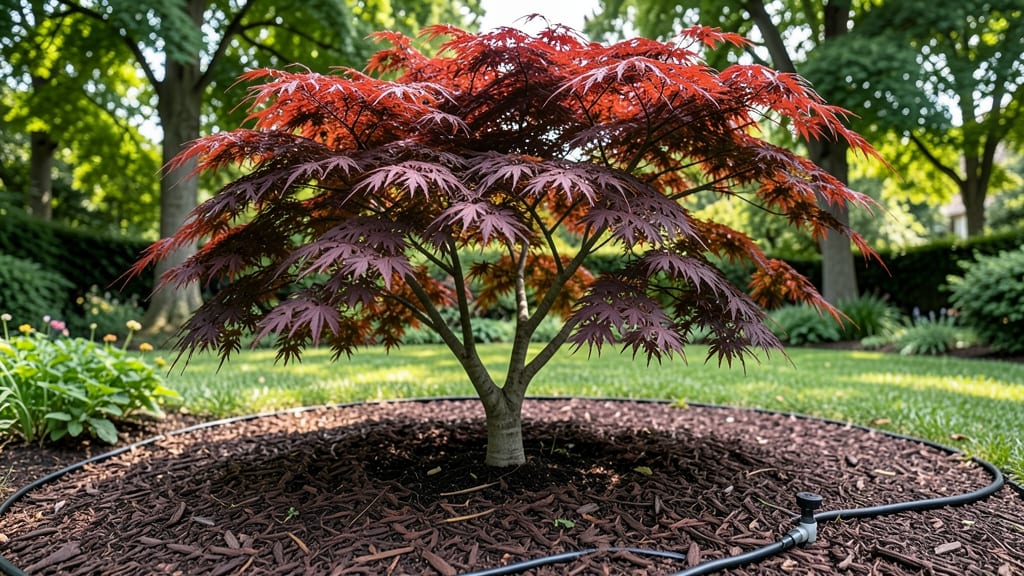
Partial shade trees transform dim corners into lush, private retreats. 🌿 I planted a Japanese maple last spring, and its delicate leaves now filter sunlight just enough to create a cool, shaded oasis—perfect for relaxing or hiding from nosy neighbors.
These trees thrive where full sun would scorch them, offering both beauty and function without demanding constant care.
The right species makes all the difference. Look for dogwoods, serviceberries, or Eastern redbuds—they handle partial shade beautifully while delivering year-round interest. Dogwoods bloom in spring, serviceberries produce edible fruit in summer, and redbuds burst with vibrant pink flowers.
Their moderate growth rates also mean you won’t need to prune aggressively, saving time and effort.
Imagine your backyard transformed: a towering screen that blocks unwanted views while adding texture and color. These trees pair well with ferns, hostas, and shade-loving perennials, creating layered, inviting spaces. Their dappled shade even protects delicate plants from harsh afternoon sun, making them the ultimate low-maintenance solution.
Whether you’re working with a small urban yard or a sprawling garden, partial shade trees adapt effortlessly. Place them near patios, along fences, or as focal points in mixed borders. The key is matching their natural habits to your space—so you get privacy, shade, and beauty without the fuss.
📚 In This Guide
- What you need
- Instructions
- Tips and common mistakes
- Wrapping up and next steps
What you need
- ● Partial shade trees: 1-3 saplings (species like Japanese Maple, Dogwood, or Serviceberry—check local nurseries for shade-tolerant varieties).
- ● High-quality potting soil: 5+ gallons (or a 50 lb. bag of well-draining soil mix, like 50% topsoil + 50% compost).
- ● Organic mulch: 2–3 cubic feet (e.g., wood chips or pine straw to retain moisture).
- ● Slow-release fertilizer: 1–2 lbs (e.g., 10-10-10 or balanced organic blend).
- ● Watering can or hose: With a gentle spray nozzle (or a drip irrigation kit for larger plantings).
- ● Garden trowel or shovel: For digging holes 2x wider and 1x deeper than the root ball.
- ● Pruning shears: Bypass-style (for clean cuts) to trim dead branches post-planting.
- ○ Wheelbarrow or bucket: To mix soil/fertilizer (optional but handy!).
- ● Measuring tape: To mark planting spots 10–15 ft. apart (depending on mature tree size).
- ● Gloves & knee pads: Because comfort matters!
- ● Tree stakes & ties: For young trees in windy areas.
- ● Mulch ring: A 3-inch layer of mulch around the base (keep it 6 inches away from the trunk).
- ● Soil pH tester: To ensure 6.0–7.0 pH (partial shade trees prefer slightly acidic to neutral soil).
- ● Epsom salt: 1 tbsp per hole (boosts magnesium for leafy growth).
How to plant partial shade trees for privacy
Here’s how to transform dark corners into lush, living privacy screens using shade-tolerant trees that thrive without full sun.
🌱 Step 1: Select the Right Tree Species for Your Space
Not all trees tolerate partial shade equally. For dense privacy, choose serviceberry (Amelanchier) or dogwood (Cornus)—both grow 15-25 feet tall and handle 3-6 hours of filtered light daily. If your yard is north-facing or heavily shaded, opt for Japanese maple (Acer palmatum) or eastern redbud (Cercis canadensis), which flourish in 20-30% sunlight. Avoid fast-growing willows or poplars; they demand full sun and develop weak wood in shade.
Check your space’s light patterns—morning sun but afternoon shade? A serviceberry thrives there. Full shade all day? A Japanese maple will reward you with vibrant foliage. I always dig a small hole near the planting site first to test drainage—standing water kills roots faster than poor light. If the hole drains slowly after 30 minutes, amend the soil with compost before planting.
🪴 Step 2: Prepare the Planting Site for Long-Term Health
Dig a hole twice as wide as the root ball but no deeper—buried roots suffocate. Loosen the soil at the edges with a fork to encourage root spread. For four trees spaced 8-10 feet apart, you’ll need a 12-foot-wide trench for a cohesive screen. Mix 5 gallons of compost into the native soil at the bottom of each hole to boost fertility without overwhelming young roots.
If your soil is clay-heavy or compacted, blend in 3 inches of coarse sand to improve drainage. Partial shade trees hate soggy roots, so avoid low-lying areas where water pools. A slight mound in the center of the hole helps prevent future waterlogging. Tap the tree gently into place until the root flare (where roots meet trunk) sits 1-2 inches above soil level—this prevents rot.
☀️ Step 3: Plant and Stake for Stability
Remove the tree from its container and loosen circling roots with your fingers—never use a knife, or you’ll damage the root system. Place the tree in the hole so the root flare is visible above the soil line. Backfill with native soil mixed with compost, firming gently in 3-inch layers with your hands. Water deeply to settle the soil, then add 2-3 inches of mulch (keep it 6 inches away from the trunk to prevent rot).
Stake only if needed—young trees in windy areas benefit from two stakes on opposite sides, but avoid tying too tightly. Use soft tree ties and adjust as the trunk thickens. Water once a week for the first month, then taper to every 2 weeks once leaves appear. Overwatering in shade leads to fungal diseases like root rot, so let the top 2 inches of soil dry between waterings.
✂️ Step 4: Prune and Maintain for Fullness
Prune new growth by ⅓ in early spring to encourage bushier branching. Remove dead or crossing branches at the junction with clean cuts. For serviceberry or dogwood, prune after flowering to avoid sacrificing next year’s blooms. Avoid heavy pruning in fall—new growth won’t harden off before winter. If your tree develops bare branches on one side, it’s leaning toward light; rotate pots or trim the heavier side to balance growth.
Feed lightly in early spring with a balanced 10-10-10 fertilizer—too much nitrogen burns roots in shade. Monitor for aphids or spider mites, which thrive in shaded, humid conditions. Spray infested areas with neem oil (mix 1 tbsp per gallon of water) to protect leaves without harming beneficial insects. By year 3, your trees should form a solid privacy screen, with serviceberry offering edible berries and dogwood providing year-round interest.
Tips & tricks for perfect partial shade trees
These game-changing insights will help your shade-loving trees grow into a lush, private sanctuary—without the guesswork.
Species Selection Insight: When choosing between serviceberry and dogwood, consider your long-term goals. Serviceberry's edible berries add seasonal interest, while dogwood offers stunning spring blooms and vibrant fall foliage. For maximum privacy, plant both species—their complementary growth habits create a denser screen over time. If your yard has morning sun but afternoon shade, Japanese maple thrives in this light pattern, developing its signature vibrant red leaves by midday.
Soil Prep Secret: The 30-minute drainage test is non-negotiable—standing water in shade leads to root rot faster than poor light. If your soil drains slowly, blend in 3 inches of coarse sand to create pockets for air and water flow. I've seen shade trees fail spectacularly in amended soil that still held too much moisture. For heavy clay, mix in a 50/50 ratio of native soil and compost to improve structure without overwhelming the roots with organic matter all at once.
Planting Stability Technique: That 1-2 inch root flare above soil level isn't just a guideline—it's a lifeline. When planting, use your finger to create a slight depression around the base to catch water while keeping the flare visible. For windy areas, install stakes before backfilling—after planting, you'll struggle to get them in without disturbing the roots. Pro tip: Water the hole thoroughly before planting to help settle the soil and prevent air pockets around the roots.
Pruning Precision: The early spring pruning window is critical for shade trees—waiting until leaves appear risks removing flower buds before they open. When pruning serviceberry or dogwood, make cuts just outside the branch collar (the swollen area where branch meets trunk) to prevent tears. For Japanese maple, prune after flowering to maintain its delicate, ornamental shape. I always sterilize my pruners with rubbing alcohol between cuts to prevent spreading diseases between branches.
Pro Tips for Partial Shade Trees
- These game-changing insights will help your shade-loving trees grow into a lush, private sanctuary—without the guesswork.
- Species Selection Insight: When choosing between serviceberry and dogwood, consider your long-term goals.
- Soil Prep Secret: The 30-minute drainage test is non-negotiable—standing water in shade leads to root rot faster than poor light.
Frequently asked questions
Got questions about partial shade trees? You’re not alone! Here are some of the most common concerns—and their answers—to help you plant with confidence.
What’s the difference between partial shade and full shade?
Partial shade means your tree gets 3–6 hours of sunlight daily (often dappled light or morning sun). Full shade is less than 3 hours. Trees like dogwoods or serviceberries thrive in partial shade, while full-shade lovers (e.g., ferns) need deeper darkness. Check your yard’s light patterns before choosing!
How long does it take for a partial shade tree to grow into a privacy screen?
Most partial shade trees grow 1–3 feet per year. A 6–10-foot screen takes 3–5 years with consistent care. Fast growers like Amelanchier (serviceberry) hit 10 feet in 4–5 years, while slower varieties (e.g., Hydrangea paniculata) may take longer. Pro tip: Start with a 3–5 gallon sapling for quicker results!
Can I plant a partial shade tree in a spot with only afternoon sun?
Yes! Many partial shade trees tolerate afternoon sun if they’re well-watered. Avoid species sensitive to heat (e.g., Pieris japonica), but options like Cornus alternifolia (pagoda dogwood) or Viburnum dentatum handle it well. Monitor leaf scorch—if edges brown, provide afternoon shade with a lightweight shade cloth temporarily.
What if my partial shade tree isn’t thriving? Troubleshooting tips!
Yellow leaves?
Overwatering or poor drainage. Let soil dry slightly between waterings.
Stunted growth?
Too much shade or compacted soil. Prune nearby overgrowth and aerate the root zone.
Pests (aphids, spider mites)?
Spray with neem oil or introduce ladybugs. Avoid harsh chemicals near roots.
No flowers/fruit?
Needs more sun or nutrients. Add compost and ensure 4–6 hours of light.
Are there low-maintenance alternatives to trees for partial shade?
If trees feel too high-maintenance, try:
- Arborvitae ‘Green Giant’ (evergreen hedge, 1–2 ft/year)
- Hydrangea paniculata (flowering shrub, 1–2 ft/year)
- Boxwood ‘Green Velvet’ (dense, slow-growing, 6–12”/year)
- Bamboo (clumping types) for fast, natural screening.
Wrapping up and next steps
Partial shade trees are the perfect solution for transforming dark corners into lush, private retreats without sacrificing sunlight for other plants. From fast-growing Leucothoe to elegant Japanese maples, these trees offer beauty, function, and adaptability—ideal for gardeners who crave both shade and style. 🌿
Ready to take the next step? Start by assessing your space’s light conditions, then pick a tree that matches your vision—whether it’s a towering screen or a delicate understory plant. Plant with confidence, and watch your outdoor oasis bloom!