
Light Requirements
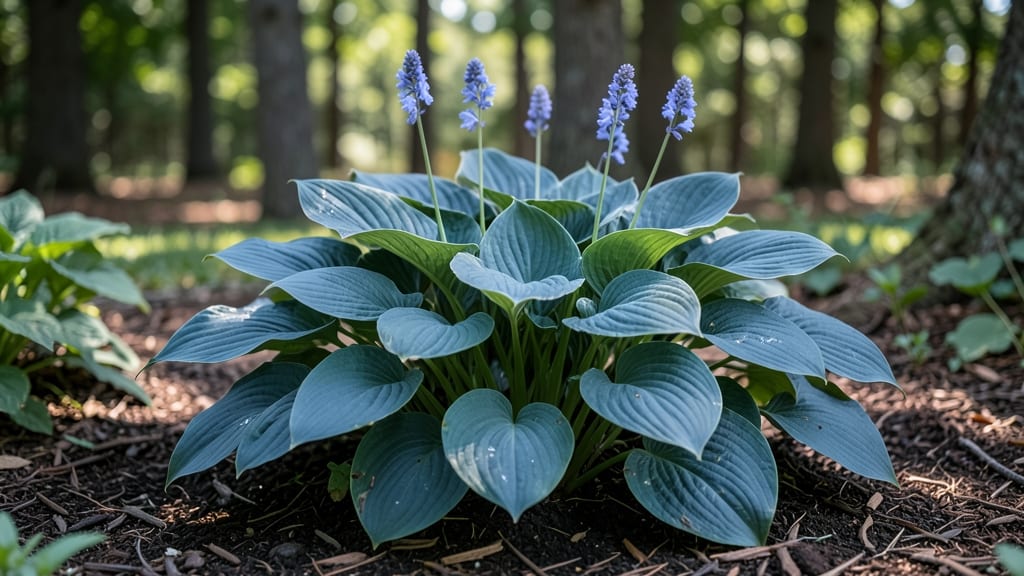
Partial shade perennials transform tricky garden spots into vibrant focal points without demanding full sun. 🌿 I’ve filled my shady woodland garden with plants that thrive where others struggle—hostas with their lush foliage, astilbes that dance in the breeze, and ferns that add texture like a living tapestry.
These perennials don’t just survive in partial shade; they flourish with bold colors and minimal fuss, proving that shade gardens can be just as stunning as sunlit ones.
The secret lies in matching the right plant to your light conditions—whether it’s dappled sunlight under tall trees or filtered light near a north-facing wall. Most partial shade perennials prefer 4-6 hours of indirect light daily, but some, like heucheras, tolerate even less.
Soil matters too: well-draining, moist (but not soggy) soil keeps roots happy, while a thick layer of mulch helps retain moisture and suppress weeds. Once established, these plants require little more than occasional watering and the occasional deadheading to keep them looking their best.
By mid-summer, your garden will burst with deep greens, fiery reds, and soft purples, creating a lush backdrop for other plants. Hostas provide year-round interest with their striking foliage, while astilbes and ferns add height and movement.
Even in winter, some varieties like hellebores and lungwort offer early blooms or evergreen leaves, ensuring your garden stays dynamic year-round. The best part? These perennials return bigger and bolder each year, with fewer pests and diseases than sun-loving plants.
Perfect for borders, woodland gardens, or even container plantings on patios, partial shade perennials bring effortless beauty to areas that might otherwise feel neglected. Start with a few reliable varieties—like hostas, astilbes, or heucheras—and watch your garden transform into a low-maintenance oasis that thrives in the shade.
The key is patience; give them a season or two to settle in, and you’ll be rewarded with a garden that feels like a quiet, colorful retreat.
📚 In This Guide
- What you need
- Instructions
- Tips and common mistakes
- Wrapping up and next steps
What you need
- ● Partial shade perennials: 3–5 plants per square foot (adjust based on mature size). Popular picks: Hostas (e.g., Hosta ‘Blue Angel’ or Hosta ‘Halcyon’)
- ● Heucheras (e.g., Heuchera ‘Plum Pudding’ or Heuchera ‘Palace Purple’)
- ● Astilbes (e.g., Astilbe ‘Fanal’ or Astilbe ‘Deutschland’)
- ● Ferns (e.g., Matteuccia struthiopteris or Dryopteris erythrosora)
- ● Bleeding hearts (Dicentra spectabilis)
- ● Potting soil or garden soil: 1–2 bags (50 lb each) of high-quality, well-draining potting mix or amend native soil with compost (1 part compost to 2 parts soil).
- ● Organic mulch: 2–3 cubic feet of shredded bark, pine needles, or cocoa hulls (to retain moisture and suppress weeds).
- ● Garden gloves: 1 pair (nitrile-coated for durability).
- ● Hand trowel or transplant spade: 1 (for digging small holes).
- ● Watering can or hose with a gentle spray nozzle: 1 (for post-planting hydration).
- ● Slow-release fertilizer: 1–2 bags (e.g., Osmocote Smart-Release for perennials).
- ● Epsom salt: 1 small bag (for magnesium boost, especially for hostas).
- ● Garden stakes or labels: 1 pack (to track varieties and support tall perennials like astilbes).
- ● Pruning shears: 1 pair (for shaping or cleanup in early spring).
- ● Drip irrigation kit: 1 (for automated watering in dry spells).
How to design a stunning partial shade perennial garden
Here’s how I create vibrant, low-maintenance perennial gardens that bloom beautifully in dappled sunlight.
🌱 Step 1: Choose the Right Perennials for Your Light Conditions
Not all partial shade is equal—identify whether your spot gets morning sun with afternoon shade or filtered light all day. Hostas, astilbes, and ferns thrive in deep shade, while bleeding hearts and lungwort handle bright morning sun with afternoon shade. I always test my space for 2-3 hours of direct sun before selecting plants.
For bold color, mix height layers: place tall perennials like Japanese forest grass or cimicifuga at the back, mid-height heuchera or astilbe in the middle, and low-growing ajuga or lamium at the front. This creates visual depth while ensuring no plant gets overshadowed. Stick to 4-5 varieties max for a cohesive look.
☀️ Step 2: Prepare the Soil for Moisture-Loving Roots
Partial shade perennials often prefer rich, well-draining soil that retains moisture but doesn’t stay soggy. Amend native soil with 3 inches of compost and a handful of perlite to improve aeration. I dig in 1-2 inches of organic matter into the top 6-8 inches of soil to encourage deep root growth.
Test soil moisture after watering—top 2 inches should dry slightly between waterings, but roots shouldn’t dry out completely. If your soil drains too quickly, mix in peat moss to help retain moisture. Avoid heavy clay by adding coarse sand if needed. A simple pH test ensures neutrality (6.0-7.0) for most shade-loving perennials.
🪴 Step 3: Plant with Proper Spacing for Long-Term Growth
Check each plant’s mature spread—crowding leads to competition and weak stems. For example, hostas need 2-3 feet apart, while heuchera thrives 18-24 inches apart. I mark planting spots with stakes to visualize the final layout before digging.
Dig holes twice as wide as the root ball but no deeper—this prevents soil from settling and burying the crown. Gently loosen roots if pot-bound, then backfill with native soil mixed with compost. Water deeply to eliminate air pockets, and mulch with 2-3 inches of shredded bark to suppress weeds and retain moisture.
💧 Step 4: Water Deeply and Adjust for Seasonal Needs
Newly planted perennials need 1 inch of water weekly during the first growing season. Water deeply at the base (not overhead) to encourage strong root systems. I use a soaker hose for slow, even moisture—this prevents fungal issues from wet foliage.
Once established, most shade perennials tolerate drier conditions, but hostas and astilbes may wilt in extreme heat. Monitor soil moisture by touching the top inch—if it’s dry, water again. In winter, reduce watering unless your region experiences freeze-thaw cycles, which can dry out roots.
✂️ Step 5: Prune and Maintain for Continuous Blooms
Deadhead spent blooms on astilbe and heuchera to encourage more flowers, but leave seed heads on grasses for winter interest. I prune Japanese forest grass in early spring to tidy up, while cimicifuga (bugbane) gets a light trim after flowering. Never cut back hostas or ferns until new growth appears in spring.
Fertilize lightly in early spring with a balanced 10-10-10 formula—too much nitrogen leads to leafy growth at the expense of blooms. I top-dress with compost every 2-3 years to replenish nutrients without overfeeding. Watch for yellowing leaves, which often signals overwatering or poor drainage.
Tips & tricks for designing a thriving partial shade garden
Here's the secret to making your partial shade garden pop with minimal effort—these are the details that separate a good garden from a showstopper.
Light Mapping: Before buying plants, spend a full day observing your space. Use a white sheet or light meter app to track exactly where sunlight hits at different times. This helps you place sun-loving bleeding hearts in morning sun spots and shade-tolerant hostas in deeper shade areas. I've caught myself making mistakes when I didn't do this step—trust me, it saves money and heartache!
Soil Science: The 3 inches of compost and perlite mentioned in Step 2 aren't just recommendations—they're non-negotiable for moisture-loving roots. For clay-heavy soils, mix in 1 part coarse sand to 3 parts soil to improve drainage. I've seen gardens fail spectacularly when this step was skipped, so don't skip it! The top 2 inches drying slightly between waterings is your moisture sweet spot—test this with your finger after watering.
Plant Layering Strategy: When creating your height layers, think of it like building a stage set. The tallest plants (Japanese forest grass or cimicifuga) should be placed 12-18 inches behind the mid-height plants (heuchera or astilbe) to create visual depth. This prevents the taller plants from completely blocking light from reaching lower plants. I always sketch my layout first—it's amazing how much difference a simple diagram makes!
Seasonal Pruning Calendar: Create a simple seasonal checklist for your maintenance routine. Mark your calendar for early spring pruning of Japanese forest grass and cimicifuga, and add reminders to deadhead astilbe and heuchera after they bloom. I keep mine pinned above my kitchen sink—out of sight, out of mind means missed maintenance opportunities!
Pro Tips for Partial Shade Perennials
- Here's the secret to making your partial shade garden pop with minimal effort—these are the details that separate a good garden from a showstopper.
- Light Mapping: Before buying plants, spend a full day observing your space.
- Soil Science: The 3 inches of compost and perlite mentioned in Step 2 aren't just recommendations—they're non-negotiable for moisture-loving roots.
Frequently asked questions
Got questions about growing perennials in partial shade? You’re not alone!
Here are answers to the most common queries—so you can confidently pick, plant, and enjoy low-maintenance blooms that love dappled light.
What’s the difference between partial shade and full shade perennials?
Partial shade perennials thrive in 3–6 hours of sunlight daily (morning sun + afternoon shade is ideal), while full shade varieties tolerate less than 3 hours of light. Partial shade plants often bloom brighter but need some light to photosynthesize—think hostas vs. astilbes!
When’s the best time to plant partial shade perennials?
Plant in early spring or early fall for optimal root establishment. Avoid summer heat or winter frost, which can stress new plants. Pro tip: Water deeply after planting to reduce transplant shock!
Can I grow partial shade perennials in containers?
Choose compact varieties like heucheras or coleus in pots with well-draining soil. Ensure containers have drainage holes and move them to sunnier spots in winter if needed. Bonus: Containers let you adjust light exposure easily!
Why are my partial shade perennials looking leggy or sparse?
Leggy growth often means too little light or overcrowding. Trim back leggy stems, divide clumps every 3–4 years, and ensure they get at least 3 hours of indirect light daily. Fertilize lightly in spring if soil is poor.
What’s a low-maintenance partial shade perennial for beginners?
Start with hostas (tough foliage), lamium (spreading ground cover), or coral bells (heuchera)—all tolerate shade, handle pests well, and rebloom yearly with minimal fuss. Win-win!
Wrapping up and next steps
Partial shade perennials are your secret weapon for low-maintenance, high-impact gardens—packing bold colors and texture without demanding full sun. From hostas to heucheras, these plants prove that stunning blooms and lush foliage thrive even in moderate light.
Whether you’re a seasoned gardener or just starting, these resilient beauties make gardening effortless and rewarding.
Ready to transform your space? Start small—pick one or two perennials from our list, experiment with placement, and watch your garden flourish! 🌿✨ Happy planting!