
Light Requirements
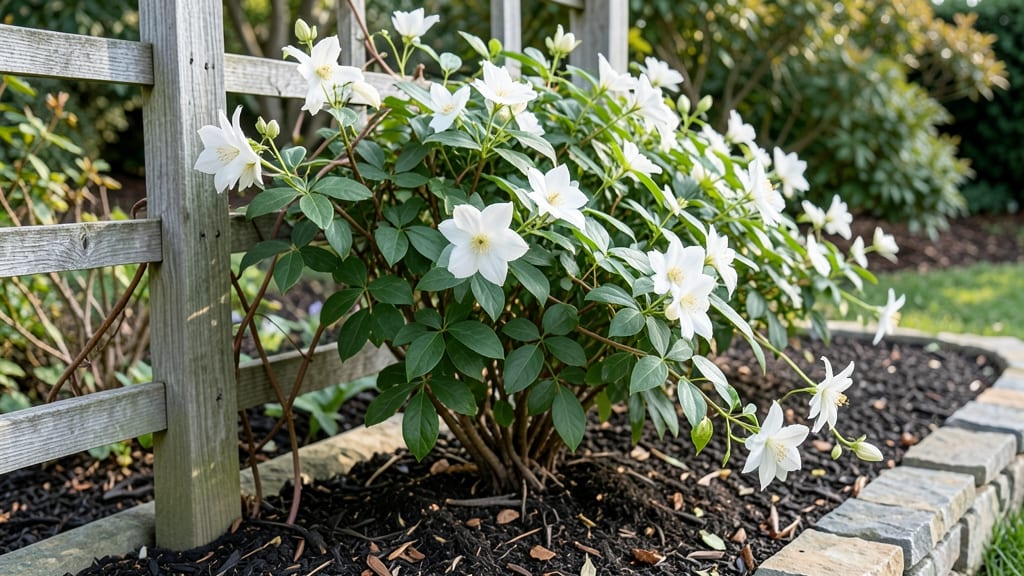
Part-shade clematis can transform your garden's shady corners into lush vertical gardens. 🌿 I've grown these vines in spots where nothing else thrives, and the secret lies in matching the right variety to your light conditions—some even bloom better in part shade than full sun.
The key starts with soil: rich, well-draining mix with plenty of organic matter keeps roots happy. Varieties like 'Jackmanii' or 'Niobe' handle shade better than sun-lovers, and their deep green leaves add texture even when flowers fade. Water consistently but avoid soggy roots—clematis hate wet feet.
By late summer, you'll see those iconic blooms climbing trellises or draping gracefully over arbors. The fragrance of some varieties lingers in the evening air, turning shady spots into romantic retreats. Prune strategically in early spring to encourage strong new growth. Works for fences, pergolas, or even container setups.
Let's bring life to those dim corners!
📚 In This Guide
- What you need
- Instructions
- Tips and common mistakes
- Wrapping up and next steps
What you need
- ● Part-shade clematis plants: Choose varieties like Clematis montana, Clematis viticella, or Clematis armandii—they thrive in dappled light. Quantity: 1-3 plants per garden bed.
- ● Well-draining potting mix: A blend of 50% garden soil, 30% compost, and 20% perlite or sand (for aeration). Quantity: 1-2 cubic yards (or 5-10 bags of pre-mixed soil).
- ○ Support structure: A trellis, arbor, or sturdy fence (at least 6-8 feet tall). Optional: Decorative metal or wooden lattice for aesthetic appeal.
- ● Mulch: 3-4 inches of organic mulch (e.g., shredded bark or wood chips) to retain moisture and regulate soil temperature.
- ○ Slow-release fertilizer: A balanced 10-10-10 or 20-20-20 formula (follow package instructions for dosage). Optional: Organic options like composted manure or worm castings.
- ● Garden trowel or spade (for planting and soil prep).
- ● Gloves (to protect hands from thorns and soil).
- ● Pruning shears (sharp, clean, and sterilized with rubbing alcohol).
- ● Watering can or hose with a gentle spray nozzle (clematis dislike soggy roots!).
- ● Measuring tape (to ensure proper spacing—3-5 feet apart for most varieties).
- ● String or twine (to gently tie vines to supports as they grow).
- ● A location with 3-6 hours of morning sun and afternoon shade (e.g., near a north-facing wall or under deciduous trees).
- ● Well-draining soil (clematis hate waterlogged roots—amend clay soil with compost or sand if needed).
- ● Patience! Some clematis take 1-2 years to establish and bloom fully.
Step-by-Step instructions for planting part-shade clematis
Here's how to establish your clematis in shadier spots—no dim-light struggles here.
🪴 Step 1: Choose the Right Location and Prepare the Soil
Clematis thrives in part shade (4-6 hours of morning sun or dappled light), so select a spot with at least 3 feet of vertical support—a trellis, fence, or sturdy arbor. Avoid deep shade; these vines need some light to bloom. I like to plant mine near the base of trees where they get filtered light but stay cool.
Dig a hole twice as wide as the root ball but only as deep as the container the plant came in. Loosen the roots gently if they're circling—they'll spread quickly once planted. Mix the removed soil with 2 inches of compost to improve drainage and fertility. Clematis roots are shallow but need room to breathe.
🌱 Step 2: Plant and Stake for Support
Place the clematis in the hole so the top of the root ball sits 2-3 inches below soil level—this prevents the stem from rotting when watered. Backfill with the amended soil, pressing lightly to remove air pockets. Water deeply to settle everything, then add a 3-foot tall support stake (bamboo or metal) and loosely tie the main stem to it with soft plant ties.
Don't bury the plant too deep—this can suffocate the crown. If your soil is heavy clay, mound a 6-inch layer of gravel at the bottom of the hole first to improve drainage. Mulch around the base with 2-3 inches of organic mulch (like shredded bark) to retain moisture and regulate soil temperature.
☀️ Step 3: Water and Feed for Strong Early Growth
Water deeply 2-3 times per week for the first month, keeping the soil evenly moist but not soggy. Clematis roots are sensitive to drought, so check the top 2 inches of soil—if it's dry, it's time to water. Avoid wetting the leaves to prevent fungal diseases like powdery mildew, which loves shady, humid conditions.
Apply a balanced, slow-release fertilizer (10-10-10) at planting and again in early spring. I like to use a low-nitrogen formula (like 5-10-10) for part-shade clematis to encourage blooms over leafy growth. Feed again in late spring when new shoots emerge—this jumpstarts flowering for the season.
✂️ Step 4: Prune for Health and Bloom
Part-shade clematis are typically Group 2 or 3 (early to mid-season bloomers), so prune in late winter or early spring before new growth starts. Cut back last year's stems to a few strong buds above the previous year's growth. Remove any dead, weak, or crossing stems—this improves airflow and reduces disease risk.
Watch for suckers (vigorous shoots at the base) and thin them out to focus energy on the main vines. If your clematis blooms on old wood (Group 1), prune lightly—just shape it and remove dead stems. You'll know you're doing it right when you see new green shoots within 2-3 weeks of pruning.
🌿 Step 5: Maintain Through the Season
Keep the soil consistently moist but not waterlogged—mulch helps here, but check during dry spells. Fertilize again in early summer with a low-phosphorus formula (like 10-5-10) to support blooming. Deadhead spent flowers to encourage more blooms, but leave some seed heads for winter interest.
If your clematis looks leggy or sparse, it might need more light—gradually move the support to a slightly sunnier spot over a few weeks. By late fall, cut back any remaining foliage and add a 4-inch layer of mulch to protect the roots from freezing temperatures. With this care, your part-shade clematis will reward you with vibrant blooms year after year.
Tips & tricks for thriving part-shade clematis
These simple strategies will help your shade-loving clematis flourish without the usual struggles.
Location is Everything: That 4-6 hours of morning sun is your sweet spot—it's gentle enough to avoid scorching while giving enough light for blooms. I've found that east-facing spots work best in my garden, where the morning sun warms the vines without the harsh afternoon heat. If your spot gets only dappled light, consider supplementing with a small grow light for 2-3 hours daily during cloudy periods.
Root Care Makes All the Difference: When you're loosening those roots in Step 1, don't be afraid to be thorough—gentle but firm works best. I've seen too many plants struggle because roots were left circling in tight knots. For heavy clay soils, that 6-inch gravel layer at the bottom of the hole is a game-changer—it prevents waterlogging that can drown clematis roots. If your soil drains poorly, consider adding perlite to the backfill mix too.
Watering Wisdom: The 2-3 times weekly watering in Step 3 should be deep enough to reach 6-8 inches down—this encourages deep root growth. I use a soil probe to check moisture levels at this depth; if it's dry, it's time to water. The key is consistency—clematis roots hate drought stress but also can't tolerate soggy conditions. A drip irrigation system set to run for 15-20 minutes every other day works perfectly for me.
Pruning Precision: When you're making those cuts in Step 4, look for the few strong buds—these are your growth points for next season. I like to use sharp pruning shears and make clean cuts at a 45-degree angle just above a bud. For Group 2 or 3 clematis, you can't go wrong with cutting back to 12-18 inches from the base, which gives you plenty of room for new growth while maintaining structure. Remember, the goal is to encourage airflow and sunlight penetration to the center of the plant.
Pro Tips for Part Shade Clematis
- These simple strategies will help your shade-loving clematis flourish without the usual struggles.
- Location is Everything: That 4-6 hours of morning sun is your sweet spot—it's gentle enough to avoid scorching while giving enough light for blooms.
- Root Care Makes All the Difference: When you're loosening those roots in Step 1, don't be afraid to be thorough—gentle but firm works best.
Frequently asked questions
Got questions about growing clematis in part shade? You’re not alone!
Here are answers to the most common concerns—from sunlight struggles to pruning puzzles—so your vines can flourish even in less-than-sunny spots.
What exactly does "part shade" mean for clematis?
"Part shade" typically means 3–6 hours of direct sunlight daily, with the rest of the day in dappled light or filtered shade (like under trees with high canopies). Clematis can tolerate this, but avoid deep shade (under dense shrubs or buildings), which stunts growth and blooms. Look for morning sun + afternoon shade for ideal conditions!
How long does it take for part-shade clematis to bloom?
Most clematis take 2–3 years to establish and bloom, even in part shade. Early bloomers (like Clematis montana) may flower in the first year, but late-season varieties (e.g., Jackmanii) often need patience. Pro tip: Feed with balanced fertilizer in spring to encourage faster growth!
Can I grow clematis in full shade? What are my alternatives?
Full shade (<3 hours of sun) is not ideal for most clematis, but Clematis armandii or Clematis montana are exceptions—they tolerate morning sun + afternoon shade. For darker spots, try shade-tolerant alternatives like:
- Hydrangea petiolaris (climbing hydrangea)
- Star jasmine (Trachelospermum jasminoides)
- Cobaea scandens (cup-and-saucer vine)
These thrive where clematis might struggle!
Why isn’t my part-shade clematis blooming? Troubleshooting tips!
If your clematis has leaves but no flowers, check these fixes:
- Light: Ensure it gets at least 3 hours of sun (even indirect). Move it if needed.
- Pruning: Over-pruning (cutting back too hard) can reduce blooms. Group 1/2/3 clematis differently!
- Fertilizer: Use a high-phosphorus feed (like 10-20-10) in early spring to boost blooms.
- Age: Young vines (under 2 years) may not bloom—be patient!
Still no luck? Check for pests (like clematis wilt) or root-bound pots.
Do part-shade clematis need extra care in winter?
Most clematis are hardy, but young plants or tender varieties (like Clematis lanuginosa) benefit from mulch or a frost blanket in harsh winters. Group 3 clematis (heavy bloomers) may need winter pruning—cut back to 2–3 eyes above ground level in late winter to protect from frost.
Wrapping up and next steps
Part-shade clematis may seem tricky, but with the right location, support, and care, these vines can thrive even in less-than-sunny spots! 🌿 From choosing the perfect pruning group to mastering moisture balance, you now have the tools to cultivate stunning blooms year after year.
Don’t let dim light hold you back—get creative with containers, mulch, or companion plants to maximize their potential.
Ready to transform your garden**? Start by selecting a few part-shade-loving varieties (like Clematis montana or Clematis viticella) and give them a try—your future climbing masterpiece awaits! 🌸