
Lawn
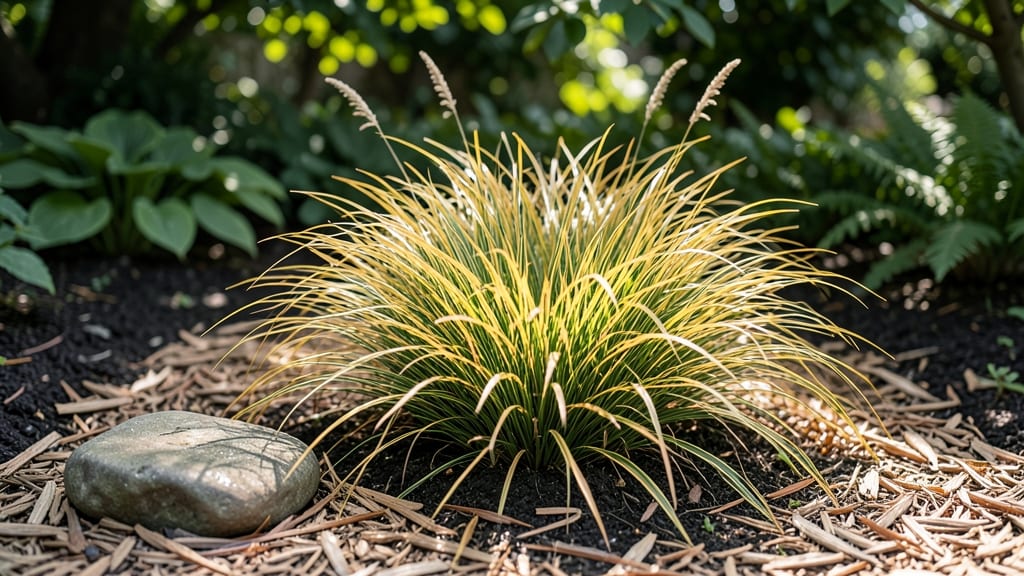
Transform your shaded garden with the best ornamental grass for shaded areas—silvery-blue plumes sway where sunlight struggles, outshining even tired hostas and ferns. 🌿 The secret is choosing the right types: some need only 2-4 hours of light, while others tolerate deep shade.
These grasses aren’t just survivors—they’re stars. Miscanthus ‘Malepartus’ glows golden in winter, Carex ‘Ice Dance’ stays crisp white year-round, and Hakonechloa ‘Aureola’ cascades like a golden waterfall. They pair perfectly with ferns, astilbes, and shade-loving perennials, adding height and drama where flowers fade.
You’ll love how they soften hard edges and create layers in your garden. A single clump of Pennisetum ‘Burgundy Bunny’ turns a dull corner into a jewel-toned focal point, while Calamagrostis ‘Overdam’ adds architectural flair without stealing light from other plants.
The best part? They’re low-maintenance. Just keep them moist until established, and they’ll reward you with season-long interest—even in the shadiest spots. Let’s explore the top picks for your garden!
📚 In This Guide
- What you need
- Instructions
- Tips and common mistakes
- Wrapping up and next steps
What you need
- ● Ornamental grasses: 1–3 plants per square foot (adjust based on mature size—e.g., Carex oshimensis or Hakonechloa macra for dense coverage).
- ● Choose shade-tolerant varieties (e.g., Miscanthus sinensis ‘Zebrinus’ or Pennisetum ‘Hameln’ for partial shade).
- ● Soil amendments: 2–3 gallons of peat moss or coconut coir (for moisture retention).
- ● 1–2 bags of compost (to improve drainage and fertility).
- ○ Perlite or sand (1–2 cups per plant, optional for sandy soils).
- ● Tools: Trowel or small shovel (for digging holes).
- ● Garden gloves (to protect your hands!).
- ● Watering can or hose with a gentle spray nozzle (shade plants hate soggy roots!).
- ● Measuring tape (to space plants 12–36 inches apart, depending on variety).
- ● Location: Identify a partially shaded (2–6 hours of dappled light) or fully shaded area (avoid deep, dark corners).
- ● Soil test: Check pH (ideal: 5.5–7.0; amend if needed with lime or sulfur).
- ○ Mulch (optional but recommended): 2–3 inches of shredded bark or pine needles to retain moisture and suppress weeds.
Step-by-step guide to selecting and planting ornamental grass for shaded areas
Here's how to create a thriving, textured shade garden that brings movement and interest to dim corners.
🌿 Step 1: Choose the Right Grass Varieties for Shade
Not all ornamental grasses tolerate shade equally—focus on species like Hakonechloa macra ('Japanese Forest Grass'), Carex oshimensis ('Oki Island Sedge'), or Miscanthus sinensis 'Malepartus' ('Dwarf Zebra Grass'). These varieties thrive in partial to full shade and develop their signature arching forms and variegated foliage even without direct sun.
I always check the mature height and spread before selecting—Hakonechloa stays compact at 12-18 inches while Carex spreads gently to 24 inches. For bold vertical accents, Miscanthus reaches 5-6 feet but handles shade better than most. Plant in groups of 3-5 for natural, flowing drifts that catch light in subtle ways.
🪴 Step 2: Prepare the Planting Site with Amended Soil
Ornamental grasses in shade need well-draining, slightly acidic soil (pH 5.5-6.5). Amend heavy clay with 2-3 inches of organic matter—I mix in composted leaf mold and perlite to improve aeration. Avoid fresh manure, which can burn tender roots and disrupt the microbial balance grasses rely on.
Dig planting holes twice as wide as the root ball but only as deep as the container. This prevents root crowns from sitting too deep, which causes rot in consistently moist shade. Water the hole thoroughly before placing the plant—this settles the soil and eliminates air pockets that could stress roots.
💧 Step 3: Plant and Water for Immediate Establishment
Remove the grass from its container and loosen the root ball gently with your fingers. Position the plant so the top of the root ball sits just below soil level—never deeper, or you'll smother the crown. Backfill with native soil mixed with 10% compost, pressing lightly to eliminate gaps.
Water deeply right after planting to encourage root spread into the surrounding soil. Use a soaker hose or watering wand to deliver 1-2 inches of moisture evenly. Mulch with 2-3 inches of shredded bark to retain moisture and suppress weeds—critical in shade where competition for resources is fierce.
☀️ Step 4: Provide Supplemental Light and Maintenance
While these grasses tolerate shade, they still need bright indirect light to develop their signature colors. If your site is deep shade (less than 2 hours of filtered light daily), supplement with a shade cloth (30-50% coverage) during peak sunlight hours in summer. Avoid full-spectrum grow lights—they can overheat foliage in enclosed spaces.
Water 1-2 times per week in the first growing season, checking that the top 2 inches of soil feel moist but not soggy. Once established, most shade grasses tolerate drought-like conditions better than overwatering. Cut back dead foliage in early spring before new growth emerges—this prevents disease buildup from old, damp leaves.
⏰ Step 5: Prune and Divide for Long-Term Health
Divide clumps every 3-4 years in early spring when new shoots appear. Dig up the entire plant, separate the root sections with a clean knife, and replant the strongest divisions. This rejuvenates growth and prevents the center from dying out—a common issue in shade where light penetration is limited.
For grasses like Hakonechloa, I leave the arching stems intact through winter—they add texture and interest when frosted. For Miscanthus, cut back 2-3 inches above ground in late winter to encourage fresh, upright growth. Always wear gloves when handling ornamental grasses—they can be abrasive on bare skin.
Tips & tricks for perfect ornamental grass plantings in shade
Here's what I've learned after years of perfecting shade gardens—details that make all the difference.
Selection Tip: When choosing between Hakonechloa macra and Carex oshimensis, consider your site's moisture level. Hakonechloa thrives in consistently moist but well-draining soil, making it ideal for northern exposures or areas with morning sun. Carex, on the other hand, handles drier shade better—perfect for southern exposures where afternoon sun might briefly reach. For maximum visual impact, I always plant Miscanthus sinensis 'Malepartus' at the back of the planting bed, where its 5-6 foot height creates a dramatic vertical accent while still tolerating shade.
Soil Preparation Secret: The 2-3 inches of organic matter you mix into heavy clay isn't just about drainage—it's about creating the perfect microbial ecosystem. I've found that adding composted leaf mold (available at garden centers) breaks down slowly, releasing nutrients exactly when your grasses need them during their first growing season. For the perlite component, don't skimp—it's what prevents that dreaded "soggy bottom" rot in shade where water lingers. Pro tip: Test your soil's pH before amending. If it's already at 5.5-6.5, you're golden. If it's higher, add a handful of sulfur to the planting hole.
Planting Depth Matters: Positioning the root ball just below soil level might seem like a small detail, but this prevents two major issues. First, it allows the crown (where leaves meet roots) to stay dry, reducing fungal diseases common in shade. Second, it encourages stronger root growth outward rather than upward. I always use a small stake to mark the original soil line from the container—this gives me a perfect reference point. After backfilling with your 10% compost mix, press firmly around the edges to eliminate air pockets that could dry out roots during establishment.
Winter Care Strategy: For Hakonechloa macra, leaving those graceful arching stems through winter is intentional—they create stunning frost patterns and add structure to dormant gardens. However, if you're in a region with heavy snow, gently brush off accumulation to prevent stem breakage. For Miscanthus, the 2-3 inch late-winter cutback might seem drastic, but it's what triggers that fresh spring growth. I time this cutback for just after the last hard frost when new shoots are visible but still tender. And always wear gloves—those sharp leaf edges can be unforgiving!
Pro Tips for Ornamental Grass For Shaded Areas
- Here's what I've learned after years of perfecting shade gardens—details that make all the difference.
- Selection Tip: When choosing between Hakonechloa macra and Carex oshimensis, consider your site's moisture level.
- Soil Preparation Secret: The 2-3 inches of organic matter you mix into heavy clay isn't just about drainage—it's about creating the perfect microbial ecosystem.
Frequently asked questions
Got questions about adding ornamental grass to shaded spots? You’re not alone! Here are some of the most common queries—plus straightforward answers to help you grow with confidence.
What are the best ornamental grasses for deep shade (less than 4 hours of sunlight)?
The top picks for low-light conditions include Carex oshimensis (Oshima Sedge), Hakonechloa macra (Japanese Forest Grass), and Oplismenus hirtellus (Bamboo Grass). These varieties tolerate moisture and thrive where others struggle. Pair them with ferns or hostas for a layered, lush effect!
How long does it take for ornamental grass to establish in shaded areas?
Most ornamental grasses take 1–2 years to fully establish in shade, though some like Carex may show progress in just 6–12 months. Be patient—slow growth is normal! Water consistently (1–2 inches weekly) and avoid over-fertilizing, which can stress roots in low light.
Can I grow ornamental grass in fully shaded spots under trees?
While full shade (no direct sunlight) limits options, Hakonechloa and Oplismenus are champions here. Just ensure the soil drains well—tree roots can compete for moisture. Mulch with shredded bark to retain humidity and suppress weeds while the grass gets settled.
What should I do if my ornamental grass turns yellow or brown in shade?
Yellowing often signals overwatering or nutrient deficiency. Brown tips? Likely drought stress or fungal issues (common in humid shade). Trim dead fronds in early spring, improve drainage, and apply a balanced, slow-release fertilizer (like 10-10-10) in early spring. Avoid heavy clay soils—amend with compost!
Are there low-maintenance alternatives to traditional ornamental grasses for shade?
Yes! Consider hostas (for foliage), heucheras (colorful leaves), or astilbes (feathery plumes). For texture without grass, try sweet flag (Acorus calamus) or ligularia. These perennials handle shade well and require minimal pruning—just deadhead spent blooms to encourage new growth.
Wrapping up and next steps
Transforming shady spots into vibrant, textured gardens is easier than you think! With the right ornamental grass for shaded areas, you can add movement, color, and depth to your landscape—even where sunlight is scarce.
Whether you’re drawn to the delicate fronds of Carex oshimensis or the bold structure of Hakonechloa macra, these plants prove that low-light spaces can be just as stunning as sunny ones.
Ready to take the next step? Start small—pick one or two varieties that suit your space and soil, then experiment with placement. Before you know it, your shaded garden will be a lush, low-maintenance masterpiece! 🌿✨