
Trees
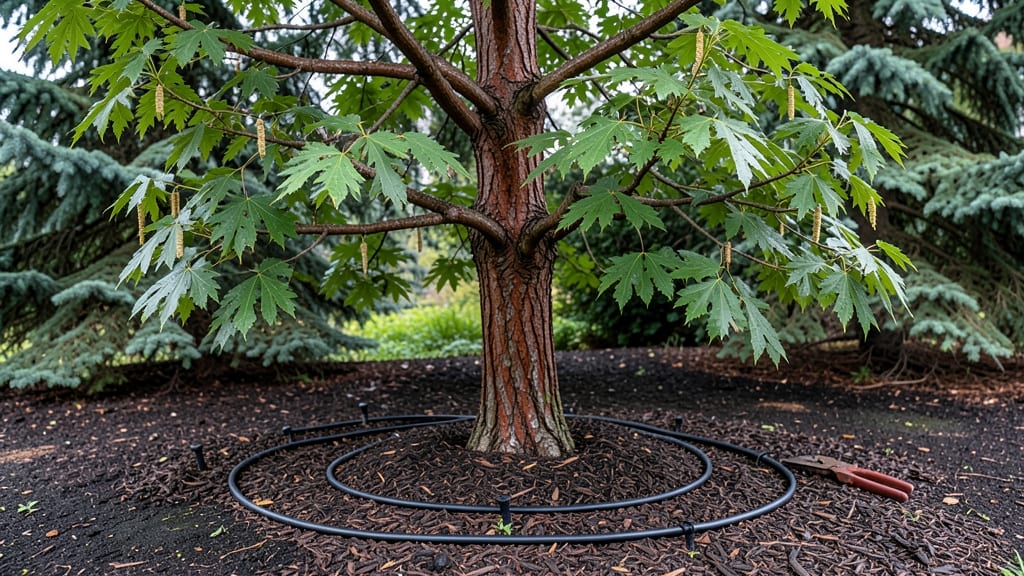
Northwest shade trees transform soggy yards into lush, cool retreats. 🌿 I planted a bigleaf maple last spring, and its glossy leaves now make our patio feel like a secret forest glade—even in the driest summer months.
The Pacific Northwest’s damp climate favors trees that thrive in moisture without turning into swampy messes, and these native beauties deliver both shade and drama.
Douglas firs and vine maples are the workhorses of the region, handling wet soil and cool summers with ease. Spacing matters: give mature trees 20-30 feet of room to spread their roots and branches without crowding.
Pair them with ferns, rhododendrons, or shade-tolerant perennials to create layers that feel intentional, not random.
By late summer, you’ll love the dappled light filtering through leaves and the way your garden stays 10 degrees cooler on hot days. These trees grow slowly but steadily, adding value to your home while providing that coveted Northwest garden retreat.
Works for any yard size—just adjust spacing for smaller lots. Here’s how to pick the perfect tree for your space and soil.
📚 In This Guide
- What you need
- Instructions
- Tips and common mistakes
- Wrapping up and next steps
What you need
- ● Shade trees: Choose from native or well-adapted species like Douglas fir (Pseudotsuga menziesii), Western red cedar (Thuja plicata), or Bigleaf maple (Acer macrophyllum). Buy 1–3 trees, depending on your space (spacing varies by species—check labels!).
- ● High-quality soil: 2–3 cubic yards of well-draining, organic-rich soil (amend with compost if your native soil is clay-heavy).
- ● Mulch: 3–5 bags of wood chips or bark mulch (3–4 inches deep) to retain moisture and suppress weeds.
- ● Tools: Shovel or digging spade (for planting holes)
- ● Wheelbarrow (for moving soil/mulch)
- ● Garden hose or watering can (with a soaker hose for long-term care)
- ● Gloves (heavy-duty for digging)
- ● Pruning shears (for trimming dead branches)
- ○ Stakes & ties (optional but recommended): 2–4 T-posts or bamboo stakes + soft tree ties to support young trees in windy areas.
- ● Tree fertilizer: Slow-release organic fertilizer (e.g., 10-10-10 or compost-based) to boost early growth.
- ● Root stimulator: A mycorrhizal fungi inoculant to enhance root development in moisture-rich NW soil.
- ● Drip irrigation system: For automated watering (especially useful in rainy but unevenly distributed climates).
- ● Tree guards: Plastic or metal tree collars to protect trunks from rodents or lawn equipment.
- ● Soil pH tester: To ensure your soil is in the ideal range (most NW shade trees prefer slightly acidic to neutral pH).
Step-by-step guide to planting Northwest shade trees
Here's how to establish moisture-loving trees that thrive in the Pacific Northwest's damp climate.
🌱 Step 1: Choose the Right Tree for Your Site
Northwest shade trees need moisture and partial shade to thrive. I recommend native species like Douglas fir or Western red cedar for their natural resilience. Check your site's sunlight—most shade trees tolerate 4-6 hours of morning sun but prefer afternoon shade. Dig a hole twice as wide as the root ball but no deeper—this encourages roots to spread horizontally rather than settle too deep.
If your soil feels compacted, loosen it with a garden fork to 12 inches deep. The goal is to improve drainage while keeping moisture retention. I always test soil moisture before planting—if it stays damp for days, your site is perfect for these trees. Avoid planting when soil is waterlogged; wait until it's moist but not soggy.
🪴 Step 2: Prepare the Planting Hole and Position the Tree
Place the tree in the hole so the top of the root ball sits 1-2 inches above ground level. This prevents root rot in our wet climate. Gently remove any burlap or wire baskets if present—never cut roots during removal. Spread the roots outward in the hole, ensuring they don't spiral or bend.
Fill the hole with the native soil you removed, tamping lightly every 6 inches to eliminate air pockets. Water deeply until the soil settles—you'll see the tree sink slightly. I like to add a 3-inch layer of mulch (like cedar chips) around the base, keeping it 6 inches away from the trunk to prevent rot. Mulch helps retain moisture without smothering the roots.
☀️ Step 3: Water and Monitor Initial Growth
Water the tree deeply every 5-7 days for the first year, ensuring moisture reaches 12 inches down. Young trees need consistent moisture but hate soggy roots. I check soil moisture by inserting a finger—if it feels dry 2 inches deep, it's time to water. Avoid overhead watering; use a soaker hose to deliver water at the root zone.
Watch for new growth in spring—healthy trees will show 2-3 inches of new shoots within 4-6 weeks. If leaves yellow or wilt, your tree may be overwatered. In our climate, shade trees rarely need fertilizer, but if growth is slow, apply a balanced organic fertilizer in early spring. Keep mulch topped up to 3 inches to maintain moisture and suppress weeds.
✂️ Step 4: Prune for Structure and Health
Prune young trees in late winter or early spring before new growth begins. Remove any dead, damaged, or crossing branches first—these compete for resources. I always prune to an outward-facing bud to encourage proper growth. Never remove more than 25% of the canopy in one season; this stresses the tree.
Focus on shaping the tree's natural form while maintaining an open center for airflow. In the Pacific Northwest, shade trees often develop fungal issues from poor airflow. After pruning, apply a copper fungicide if you notice signs of disease. Water deeply after pruning to help the tree recover. With proper care, your shade tree will establish strong roots and provide decades of elegant shade.
Tips & tricks for planting Northwest shade trees
These little details make all the difference when establishing trees that'll thrive in our damp Pacific Northwest climate.
Site Selection Wisdom: Beyond the 4-6 hours of morning sun mentioned, pay attention to your yard's microclimates. The north side of your house or a spot near a large shrub often stays cooler and damper—perfect for shade trees. I've planted Douglas firs in these spots and they've thrived where other trees would struggle. Also, avoid planting near downspouts or low-lying areas where water pools.
Soil Prep Pro Tip: That 12-inch deep loosening is crucial, but don't stop there. If your soil feels particularly dense, mix in some compost or well-rotted leaf mold to improve structure. This helps with both moisture retention and root penetration. I like to add about 2-3 inches of compost to the bottom of the planting hole before adding the tree—it gives those roots a nutrient boost right where they need it most.
Mulching Mastery: The 3-inch layer of mulch is perfect, but here's what nobody tells you—refresh that mulch every spring. Over time, mulch breaks down and loses its effectiveness. I top up mine to 3 inches annually, keeping that 6-inch clearance from the trunk. This prevents the dreaded "mulch volcano" that can smother your tree's base and cause rot. Cedar chips work beautifully and resist decomposition longer than other mulches.
Watering Watch: Those 5-7 day intervals are ideal, but timing matters too. Water in the morning so the foliage has time to dry before evening—this prevents fungal issues that plague our climate. I use a rain gauge to track our natural rainfall and adjust my watering schedule accordingly. If we've had consistent rain, I might stretch that to 10 days without watering. Always water deeply to encourage deep root growth rather than shallow surface roots.
Pro Tips for Northwest Shade Trees
- These little details make all the difference when establishing trees that'll thrive in our damp Pacific Northwest climate.
- Site Selection Wisdom: Beyond the 4-6 hours of morning sun mentioned, pay attention to your yard's microclimates.
- Soil Prep Pro Tip: That 12-inch deep loosening is crucial, but don't stop there.
Frequently asked questions
Got questions about selecting, planting, or caring for northwest shade trees? You’re in the right place! Here are some of the most common queries—plus straightforward answers to help you make the best choices for your Pacific Northwest garden.
What are the best shade trees for the Pacific Northwest’s wet climate?
The top performers include Western red cedar (drought-tolerant once established), Bigleaf maple (vibrant fall color), and Douglas fir (evergreen elegance). For lower-maintenance options, Oregon ash or vine maple thrive in moisture-rich soils while resisting fungal issues common in the region.
When is the ideal time to plant a shade tree in the Northwest?
Late fall (October–November) or early spring (March–April) are the best windows. Avoid planting in summer’s heat or winter’s frost, as roots struggle to establish. If you must plant in summer, prioritize deep watering and mulch heavily to retain moisture.
How do I prepare my soil for a shade tree in the Pacific Northwest?
Northwest soils are often acidic and compacted. Test your soil’s pH (aim for 5.0–7.0) and amend with compost or peat moss for drainage. For heavy clay, mix in sand or pine bark fines. Mulch 3–4 inches deep (but keep it away from the trunk) to protect roots and retain humidity.
Why is my newly planted shade tree wilting, even with regular watering?
Wilting can signal root rot (from overwatering), poor drainage, or transplant shock. Check for yellowing leaves (overwatering) or brown, crispy edges (underwatering). Adjust watering to 1–1.5 inches per week (less in winter) and ensure the planting hole isn’t a “saucer” trapping water.
Are there compact shade trees for small yards in the Northwest?
Consider Katsura tree (fragrant flowers, 20–30 ft tall), Serviceberry (edible berries, 15–25 ft), or Japanese maple (dwarf varieties like ‘Black Lace’ stay under 10 ft). These provide shade without overwhelming tight spaces—just ensure they get 6+ hours of dappled light.
What pests or diseases should I watch for with Northwest shade trees?
The biggest threats are root rot (from fungal overgrowth), aphids (on maples), and Douglas fir beetles. Preventative care includes pruning for airflow, neem oil sprays for pests, and avoiding overhead watering. If you spot oozing bark or sawdust-like frass, act fast—consult a local arborist.
Wrapping up and next steps
Choosing the right northwest shade trees can transform your garden into a lush, serene sanctuary—perfect for the region’s damp climate and mild winters. From the towering Douglas fir to the elegant Bigleaf maple, these trees offer beauty, shade, and resilience.
Whether you’re a seasoned gardener or just starting, the key is selecting species that thrive in your local conditions.
Ready to elevate your outdoor space? Start by assessing your soil, sunlight, and space needs, then pick a tree that aligns with your vision. Plant with confidence—your future shaded retreat awaits! 🌿