
Flowers
Tired of bare soil in shady spots? These 10 non-invasive ground covers thrive in low light while suppressing weeds and preventing erosion—without taking over your garden.
Sweet Woodruff Ground Cover for Soft Texture

Transform shady garden corners into a fragrant woodland retreat with sweet woodruff, a delicate ground cover that thrives in dappled light. Its tiny white flowers in spring and apple-scented foliage create a sensory experience—perfect for understory planting where other options struggle.
This non-invasive spreader grows slowly (12–18 inches per year) and self-seeds minimally, making it ideal for naturalistic gardens. Plant in well-draining soil under trees or along borders, where its soft texture contrasts beautifully with rough bark or mulch. Water occasionally once established—it’s drought-tolerant once roots take hold.
Gardeners seeking low-maintenance shade solutions will love sweet woodruff’s dual appeal: visual charm and aromatic foliage that invites you to linger in the garden. 🌿
Creeping Phlox for Early Spring Color

Brighten up your garden before summer even arrives with creeping phlox, a shade-tolerant ground cover that bursts into vibrant purple blooms as early as late winter or early spring. Unlike aggressive spreaders, this plant grows at a gentle pace—just 6–12 inches per year—making it perfect for borders where you want color without competition.
This pollinator magnet thrives in partial to full shade and handles moist to average soil conditions, though it appreciates well-drained beds. After its spring show, the dark green foliage remains attractive year-round, creating a lush carpet that suppresses weeds. Simply shear back faded blooms to encourage a second flush of flowers in late summer.
Ideal for gardeners who want early-season color with minimal maintenance, creeping phlox is especially lovely under trees or along shady pathways. 🌟
Hosta Varieties for Bold Foliage Contrast

If you love bold textures but hate aggressive spreaders, hostas are your perfect shade-loving solution—with over 3,000 cultivars to choose from, each offering unique leaf patterns and colors that transform dull spaces into living art.
These plants thrive in partial to full shade, making them ideal for under trees or along north-facing walls. Their variegated foliage—ranging from deep blues and purples to golden edges—creates stunning contrast without requiring constant maintenance. Unlike invasive ground covers, most hostas grow slowly (12–18 inches per year) and form neat clumps, so you can enjoy their beauty without worrying about them taking over.
Perfect for gardeners who prioritize visual impact over rapid coverage, hostas also attract pollinators and deer-resistant varieties (like 'Halcyon' or 'Francee'). Add them to borders or woodland gardens for a year-round pop of color. 💚
Lungwort for Medicinal and Ornamental Value

Add a touch of old-world charm to your shady garden with lungwort, a dual-purpose plant that thrives in partial to full shade while offering both beauty and practical benefits. Its striking silver-spotted foliage and delicate blue-purple flowers create a whimsical, cottage-garden feel that pollinators adore—especially bees and butterflies.
Unlike invasive ground covers, lungwort grows in neat, clumping habits, making it perfect for borders or herb beds where you want controlled spread. Plant it in well-draining soil under trees or along shady pathways, where its year-round interest shines. The leaves also contain medicinal compounds (traditionally used for respiratory health), though always consult an expert before harvesting.
This versatile plant is ideal for gardeners who love low-maintenance perennials with a historical twist—whether you're designing a medicinal herb garden or simply seeking shade-tolerant beauty. 🌷
Ajuga or Bugleweed for Drought-Tolerant Spread

Want a low-maintenance, drought-tolerant ground cover that thrives in dry shade without taking over? Ajuga (bugleweed) delivers vibrant purple foliage and striking blue flower spikes while spreading at a manageable pace—just 12–18 inches per year. This hardy perennial is the perfect solution for shady spots where other plants struggle.
Ajuga thrives in partial to full shade and handles dry soil once established, making it ideal for under trees, slopes, or rocky areas. Its dense growth naturally suppresses weeds while allowing sunlight to reach nearby plants. Simply trim back flower spikes after blooming to keep the foliage tidy—no aggressive spreading or invasive roots to worry about.
Urban gardeners and busy homeowners will appreciate ajuga’s resilience and minimal care requirements. It’s also deer-resistant, adding another layer of practicality for those with wildlife visitors. 💚
Fern Varieties for Lush Green Texture

Bring three-dimensional beauty to your shady garden with non-invasive ferns, which create a lush, feathery tapestry where sunlight barely reaches. Unlike aggressive ground covers, these clumping ferns (like Japanese Painted Fern or Autumn Fern) grow upright, adding height and softness to dark corners—perfect for understory planting or woodland gardens.
These ferns thrive in moist, well-drained soil with dappled to full shade, making them ideal for areas where other plants wilt. Their year-round green foliage provides texture and movement, while varieties like Autumn Fern turn golden in fall. Plant in groups of 3–5 for a natural, layered look—no pruning required beyond occasional dead frond removal.
Urban gardeners and shade-lovers will appreciate how ferns soften harsh lines and create a forest-like ambiance without the upkeep. Pair them with hostas or sweet woodruff for a multi-layered, low-maintenance shade garden. ✨
Coral Bells for Season-Long Color

Looking for a shade-loving plant that delivers year-round color without the fuss? Coral bells (Heuchera) are the answer—with foliage that ranges from deep purple and lime green to silver and burgundy, these perennials turn dull spaces into vibrant art. Their delicate flower spikes add a bonus touch in spring and summer, while their slow spread (just 6–12 inches per year) ensures they’ll fill gaps without crowding other plants.
These versatile plants thrive in partial to full shade, making them perfect for under trees, along foundations, or in rock gardens. They’re also drought-tolerant once established, so they won’t demand constant watering. For best results, plant in well-draining soil and mulch to retain moisture—then sit back and enjoy their season-long beauty with minimal effort.
Gardeners who love low-maintenance color and unique textures will adore coral bells, especially those with shady spots that need year-round interest. They’re also deer-resistant, making them a practical choice for rural or suburban gardens. 🌻
Wild Ginger for Fragrant Shade Tolerance

Create a sensory-rich woodland garden with wild ginger, a shade-loving perennial that delivers both beauty and fragrance without aggressive spread. Its heart-shaped leaves form a lush, 12–18-inch carpet while releasing a spicy, citrusy aroma when brushed—perfect for paths, borders, or understory plantings where you want to engage all your senses.
This non-invasive ground cover thrives in partial to full shade and tolerates moist, well-drained soil, making it ideal for forest-edge gardens or damp shady spots. Its subtle white flowers in late spring add delicate contrast to the deep green foliage, while its slow, creeping habit (12–18 inches per year) ensures it stays contained. Mulch lightly to retain moisture and suppress weeds—no heavy maintenance required.
Wild ginger is a dream for gardeners who love low-maintenance perennials with a unique sensory experience, especially those designing woodland gardens or seeking fragrant alternatives to traditional ground covers. 🌿
Liriope for Grass-Like Elegance

Elevate your shady garden’s design with liriope, a versatile ground cover that blends the structure of ornamental grass with the ease of low-maintenance perennials. Its sword-shaped, arching leaves create a sleek, modern look that contrasts beautifully with traditional foliage, while purple flower spikes in late summer add a pop of color without overwhelming the space.
This shade-tolerant plant thrives in partial to full shade, making it ideal for edging pathways, lining driveways, or filling gaps between stepping stones. Unlike aggressive spreaders, liriope grows at a predictable 12–18 inches per year, suppressing weeds while staying contained—perfect for gardeners who want structure without the upkeep. It also handles dry soil once established, reducing watering demands while maintaining its neat, clumping habit.
Modern gardeners and urban landscapers will appreciate liriope’s clean lines and adaptability, whether used as a border, a filler for shady beds, or even in containers. Its ability to thrive in low-light conditions makes it a standout for under trees or north-facing yards. 💡
Sedum or Stonecrop for Succulent Shade

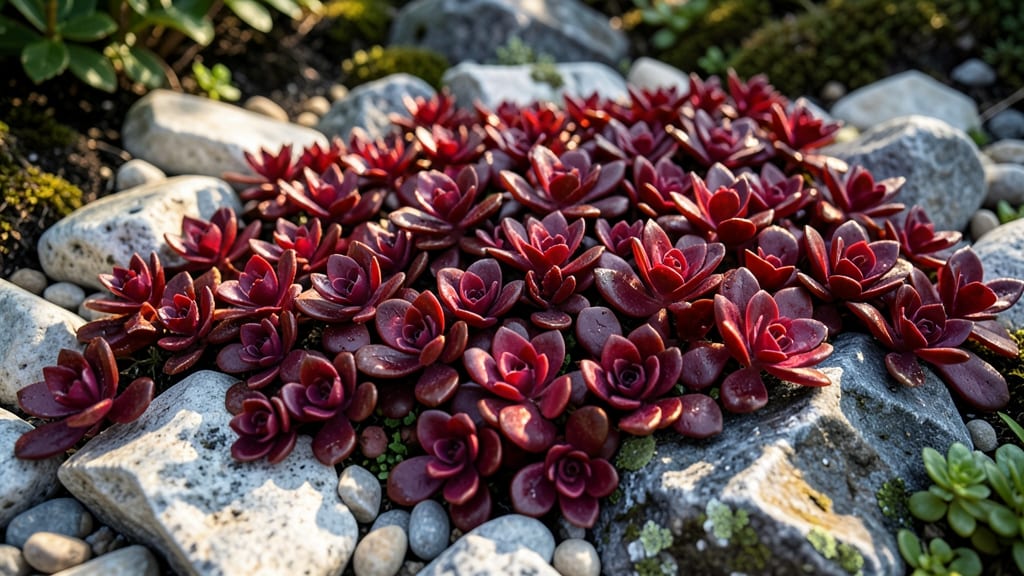
If you love the look of succulents but struggle with their sun requirements, sedum varieties like 'Dragon’s Blood' are your game-changer. These shade-tolerant stonecrops bring bold deep red or purple foliage to partial-shade spots while requiring almost no water once established—ideal for rock gardens, borders, or containers where other succulents would wilt.
Unlike sun-loving sedums, 'Dragon’s Blood' sedum thrives in 3–6 hours of morning sun with afternoon shade, making it perfect for north-facing beds or under trees. Its slow-spreading habit (6–12 inches per year) means you’ll enjoy vibrant color without invasive takeover, and its thick leaves store moisture for drought resilience. Simply plant in well-draining soil and water occasionally until roots establish.
Rock garden enthusiasts and urban gardeners with limited sunlight will appreciate how sedum transforms shady areas into striking, low-maintenance displays. Pair it with ferns or hostas for a layered, modern shade garden that requires almost no upkeep. 🌱