
Shrubs
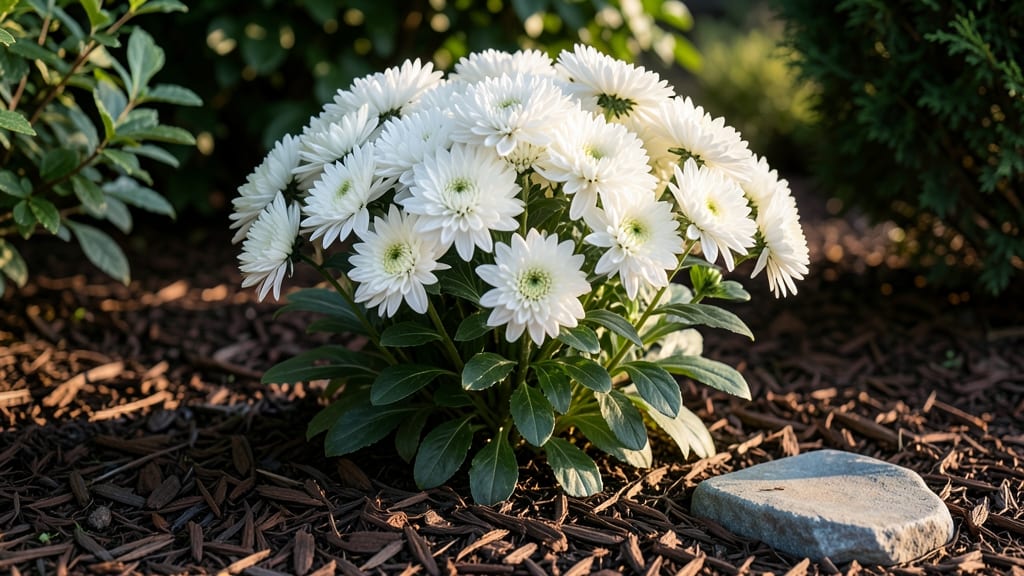
Shade-tolerant mums bring color where others fail. 🌿 Those soft pastels and deep burgundies thriving in your shady spots? They’re not luck—they’re the right dwarf varieties with the right care.
I’ve grown mums in partial shade for years, and the secret isn’t just picking shade-friendly types but adjusting water, soil, and light to coax bold blooms. Most gardeners give up too soon, assuming mums need full sun.
But with dwarf varieties like 'Pindrop' or 'Little Princess', you get compact plants that handle 3–6 hours of sun daily. The key is richer, moisture-retentive soil and consistent watering—mums in shade stay thirstier than their sun-loving cousins. Leggy growth? That’s often a sign of too little light or over-fertilizing.
By the first frost, you’ll have mounds of blooms that last weeks longer than store-bought pots. The foliage stays lush, the stems stay sturdy, and you avoid the floppy, sparse look that plagues neglected shade mums. Even my black-thumb neighbor can’t kill these with the right approach.
Works for borders, containers, or under trees. Here’s how to make them shine—without the sunburn risks.
📚 In This Guide
- What you need
- Instructions
- Tips and common mistakes
- Wrapping up and next steps
What you need
- ● Dwarf mum varieties: Choose shade-tolerant types like ‘Little Princess,’ ‘Marmalade,’ or ‘Purple Gem’ (3-6 plants per container or garden bed).
- ● Well-draining potting mix: 5-10 gallons, blended with perlite or compost (50/50 ratio) for aeration. Avoid heavy clay.
- ○ Containers (optional but helpful): 12-16” pots with drainage holes (1-2 plants per pot) or a raised bed (12”+ depth).
- ● Slow-release fertilizer: 10-10-10 or organic options like worm castings (1 tbsp per plant at planting).
- ● Mulch: 2-3” layer of pine bark fines or shredded leaves to retain moisture and regulate soil temp.
- ● Gloves & trowel: For planting and soil prep (gardening gloves to protect your hands!).
- ● Watering can or hose with nozzle: Dwarf mums need consistent moisture (1” per week, more in heat).
- ● Pruners (sterilized): For trimming dead blooms or leggy stems (sharp, clean cuts only!).
- ○ Shade cloth (optional): 30-50% coverage if your spot gets bright but indirect light (e.g., dappled sunlight).
- ○ Stakes or cages (optional): For taller varieties (12”+ stems) to prevent flopping in wind.
- ● 🌡️ Test your soil: Ideal pH for mums is 6.0–7.0. Use a kit or send a sample to your local extension office.
- ● ✨ Boost light: If your spot is very low-light, add a grow light (12–14 hrs/day) for 4–6 weeks before blooming season.
- ● 💪 Feed lightly: Avoid over-fertilizing—stick to half-strength liquid fertilizer every 4–6 weeks.
How to grow dwarf mums thriving in partial sun
Here's how I keep these compact beauties blooming all season—even in shadier spots.
🌱 Step 1: Choose the Right Dwarf Varieties for Shade
Start with shade-tolerant dwarf mums like 'Penny' or 'Little Dorrit' series, which handle 3-6 hours of morning sun and dappled shade the rest of the day. These varieties bloom prolifically even without full sun exposure. I always check the tag for "partial shade" labels—those are your best bets for shadier gardens.
Pick plants with full, compact growth habits (look for labels specifying 12-18 inches tall). Avoid taller varieties—they'll flop under shade stress. I like to buy established plants in 4-inch pots for immediate blooms, but if starting from seed, allow 10-12 weeks before transplanting outdoors.
🪴 Step 2: Prepare the Planting Site with Rich, Moist Soil
Mums in shade need well-draining, fertile soil that stays consistently moist but never soggy. Amend your garden bed with 2-3 inches of compost mixed into the top 6 inches of soil. I add a handful of slow-release fertilizer (10-10-10) at planting time to give them a nutrient boost for their first blooms.
Dig a hole twice as wide as the root ball but only as deep—planting too deep can suffocate the roots. Gently loosen the roots if they're circling in the pot, then place the plant so the top of the root ball sits level with the surrounding soil. This ensures proper water absorption without drowning the crown.
☀️ Step 3: Position for Maximum Light Without Stress
Place your mums where they get bright, indirect light for most of the day—think under trees with high canopies or near north-facing walls. Avoid deep shade (like under dense evergreens) where they'll struggle to bloom. I like to situate them 6-12 inches apart in groups of 3-5 for a fuller look.
Watch for yellowing leaves—this is a sign of too much shade. If you notice this, move the plants slightly closer to a light source or trim nearby overgrowth blocking sunlight. Mums in shade still need at least 3 hours of filtered light daily to produce vibrant blooms.
💧 Step 4: Water Deeply and Maintain Consistent Moisture
Water deeply once a week (or more often in extreme heat) to encourage strong root growth. Aim for 1 inch of water per week, delivered slowly at the base of the plant. I use a soaker hose to avoid wetting the leaves, which reduces fungal diseases like powdery mildew—a common issue with shade-grown mums.
Check soil moisture by sticking your finger 1 inch deep—if it feels dry, it's time to water. Overhead watering can lead to leaf spots, so always water at the soil level. Mulch with 2 inches of shredded bark to retain moisture and keep roots cool, especially in hot afternoons.
✂️ Step 5: Deadhead and Fertilize for Continuous Blooms
Pinch off spent blooms weekly to encourage new flowers. I use clean, sharp scissors to cut just above the next set of leaves—this redirects the plant's energy into producing more buds. Deadheading also keeps the plant looking tidy and prevents seed formation, which can weaken the plant.
Feed your mums with a balanced liquid fertilizer (20-20-20) every 4-6 weeks during the growing season. Reduce feeding in late summer to allow the plants to harden off for winter. I always stop fertilizing by mid-August to prevent tender new growth that won't survive frost.
Tips & tricks for perfect dwarf mums in partial sun
Shade-loving mums need special care to thrive—here's how to give them the best chance at vibrant blooms.
Variety Selection: When shopping for dwarf mums, look for tags that specify "partial shade" tolerance. The 'Penny' series is my go-to because it handles the 3-6 hours of morning sun perfectly while still producing bold blooms. Avoid varieties labeled only for "full sun"—they'll struggle in shadier spots. If starting from seed, remember the 10-12 week germination period before transplanting outdoors gives them a head start.
Soil Prep Strategy: The 2-3 inches of compost mixed into the top 6 inches of soil is non-negotiable for shade-grown mums. I like to add a handful of slow-release fertilizer (10-10-10) at planting to give them an immediate nutrient boost. For even better drainage, consider mixing in some perlite or coarse sand if your soil feels heavy. This prevents waterlogging which can cause root rot in shade conditions.
Light Positioning: The 3 hours of filtered light daily is absolutely critical—this is the minimum threshold for vibrant blooms. If your mums start showing yellowing leaves, it's a clear sign they need more light. I've found that positioning them near east-facing windows or under trees with high canopies gives them the perfect balance of light and shade. For maximum impact, plant them in groups of 3-5—they'll create a stunning visual display while sharing root zones.
Watering Wisdom: That 1 inch of water per week guideline is perfect, but remember to adjust for extreme heat. I always check soil moisture by sticking my finger 1 inch deep—if it's dry, it's time to water. The key is consistency; shade-grown mums hate having wet feet but also can't handle drought stress. Using a soaker hose prevents wetting the leaves, which dramatically reduces the risk of powdery mildew—a common problem with shade plants.
Pro Tips for Mums In Shade
- Shade-loving mums need special care to thrive—here's how to give them the best chance at vibrant blooms.
- Variety Selection: When shopping for dwarf mums, look for tags that specify "partial shade" tolerance.
- Soil Prep Strategy: The 2-3 inches of compost mixed into the top 6 inches of soil is non-negotiable for shade-grown mums.
Frequently asked questions
Got questions about growing mums in shade? You’re not alone!
Here are some of the most common queries—plus straight-to-the-point answers—to help you cultivate thriving, shade-tolerant dwarf chrysanthemums.
What’s the best shade tolerance for dwarf mums?
Dwarf mums thrive in partial shade (4–6 hours of sunlight daily), but some varieties handle dappled shade (like under trees) better than deep, dark shade. If your garden is shady, opt for ‘Little Princess’ or ‘Pompon’ series, which are bred for low-light resilience. Avoid full shade—it weakens blooms and encourages leggy growth.
When should I plant shade-loving dwarf mums?
For best results, plant in early spring (after the last frost) or early fall (4–6 weeks before your first frost). This gives roots time to establish before summer heat or winter cold. If transplanting mature plants, do it on a cloudy day to reduce stress. Pro tip: Amend soil with compost to improve drainage—shady spots often stay soggy!
Can I grow dwarf mums in containers in shade?
Containers are perfect for shade gardens because you can control soil quality and drainage. Use a well-draining potting mix with added perlite, and choose pots with drainage holes. Opt for 10–12 inch containers to accommodate roots. Place them where they get morning sun + afternoon shade for optimal blooms. Bonus: Rotate pots weekly for even growth!
Why aren’t my shade mums blooming?
Shade mums may skip blooms due to too little light, over-fertilizing, or poor soil. Troubleshoot by:
- Moving plants to a sunnier spot (even 2 extra hours of light helps).
- Using a balanced, low-nitrogen fertilizer (like 10-10-10) in early spring.
- Pruning leggy stems in late spring to encourage bushier growth.
What’s the best alternative if my shade is too dark?
If your space is deep shade (less than 4 hours of light), consider these low-light alternatives:
- Heuchera (‘Coral Bells’): Gorgeous foliage in shades of purple, silver, or lime.
- Hosta: Classic shade plants with variegated leaves (great for texture).
- Impatiens: Fast-growing annuals that bloom nonstop in shade.
- Japanese Painted Fern: Adds architectural interest with minimal care.
Wrapping up and next steps
Finding the perfect mums in shade doesn’t mean sacrificing color or vibrancy—it just means choosing the right varieties! Dwarf mum varieties like 'Autumn Joy' or 'Purple Gem' thrive in partial sun, offering stunning blooms with minimal fuss.
Whether you’re a busy mom or a gardening enthusiast, these low-maintenance shrubs bring joy with bold hues and easy care.
Ready to transform your garden? Start small—pick one variety, plant it in a sunny spot (even if it’s just a few hours of light), and watch your space bloom! 🌸