
Flowers
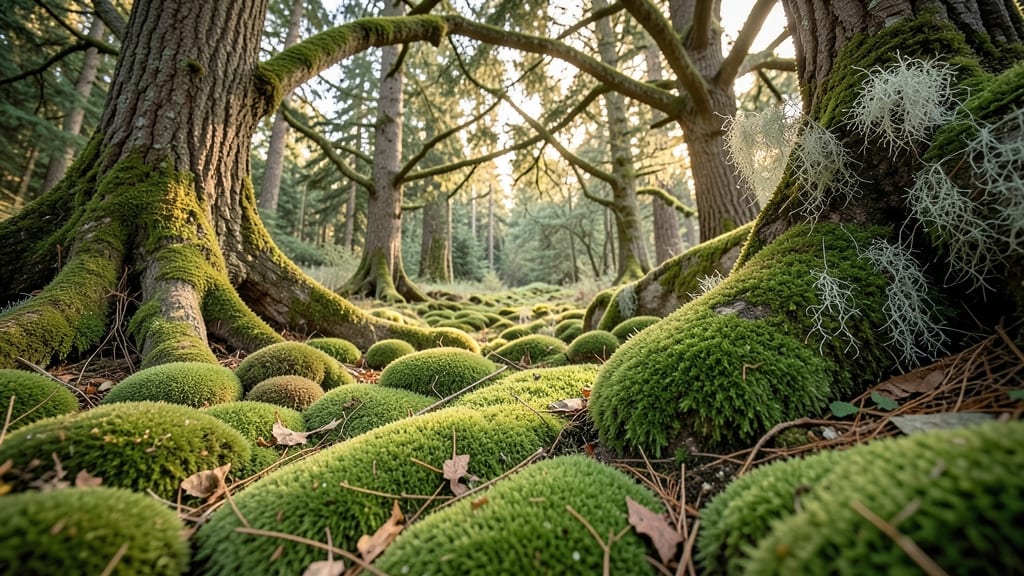
Struggling to find lush, low-maintenance ground cover for shady spots? These 10 fast-spreading moss varieties thrive in deep shadows, suppress weeds naturally, and create stunning green carpets with minimal effort—ideal for gardens, forest edges, or under trees.
Sheet Moss for Dense Forest Shade

If your garden has deep, dark shade where most plants struggle, sheet moss is the secret weapon you’ve been missing. This velvety ground cover thrives where sunlight barely reaches, forming a lush, weed-blocking carpet that stays green year-round—even under evergreens or in woodland edges.
Sheet moss spreads quickly in moist, acidic soils and retains water like a sponge, making it perfect for high-traffic areas or slopes. Simply rake away debris, lightly scratch the soil, and scatter moss clippings—water gently to help it establish. Avoid walking on it once established to preserve its plush texture, and it’ll outcompete weeds naturally.
This is the ideal choice for low-maintenance gardeners or those with shady landscapes, offering a living carpet that requires almost no upkeep once established. 🌿
Cushion Moss for Vertical Garden Walls

Transform blank walls or rocky crevices into a living masterpiece with cushion moss, a sculptural ground cover that thrives in shade and humidity while adding depth to vertical spaces. Unlike flat moss varieties, its puffy, three-dimensional clusters create a soft, almost velvety texture that feels like touching a cloud—ideal for urban gardens where space is limited.
This moss excels on north-facing walls, stone retaining walls, or even crevices where other plants struggle. To establish it, gently press fresh clippings into damp, shaded surfaces and mist regularly until roots take hold (usually 4-6 weeks). It prefers acidic to neutral soil and benefits from a light layer of peat moss or leaf litter to retain moisture. Urban gardeners love it for its ability to soften hard surfaces while requiring almost no maintenance.
Perfect for those who want living art without the fuss, cushion moss turns dull walls into a lush, textured feature that evolves with the seasons. 🌿
Star Moss for Acidic Soil Gardens

If your garden soil leans acidic and stays damp, star moss is your secret weapon for creating a lush, patterned ground cover. Unlike other mosses, it thrives in the same conditions as rhododendrons and azaleas, making it the perfect companion for acid-loving shrubs while adding delicate star-shaped texture to shady beds.
This moss spreads rapidly in damp, shaded areas with a pH below 6.0, forming intricate star-like patterns that catch light beautifully. It’s ideal for understory planting where other ground covers fail—just keep it consistently moist and avoid foot traffic to preserve its delicate fronds. For best results, pair it with leaf litter or pine needles to mimic its natural woodland habitat.
Gardeners with acidic soils or those planting acid-loving perennials will love how star moss fills gaps naturally while suppressing weeds. Its slow but steady spread means less maintenance than traditional lawns. 🌟
Peat Moss for Moisture-Retentive Beds

While most mosses create lush green carpets, peat moss offers a different superpower: it’s the secret weapon for moisture-retentive beds that feel soft underfoot and stay hydrated. Unlike delicate moss varieties, peat moss holds 3-4 times its weight in water, making it ideal for bog gardens or areas where waterlogged soil would otherwise drown other plants.
Spread a 2-3 inch layer over your bed before planting shade-loving perennials like hostas or ferns—it prevents erosion while keeping roots consistently damp. For best results, mix it with compost to improve nutrient retention, and top-dress annually to maintain its water-holding capacity. Urban gardeners with heavy clay soil will especially appreciate how it lightens compacted ground.
This isn’t just about moisture—peat moss also creates a gentle, cushioned base that protects tender roots from temperature swings. Perfect for beginners or anyone tired of battling dry soil in shady spots. 💚
Fern Moss for Humid Shade Gardens

Transform your shady garden into a lush, tropical oasis with fern moss—a fast-spreading, feathery ground cover that thrives in high humidity and mimics the look of delicate ferns. Unlike traditional mosses, its aggressive spread makes it ideal for filling large shaded areas under trees or in rainforest-inspired landscapes.
This moss loves damp, humid conditions but avoids soggy soil—perfect for areas with afternoon shade and morning moisture. To establish it, gently press clumps into prepared soil (lightly raked and free of debris), then mist regularly until established. Pair it with hostas or astilbes for a layered, jungle-like effect that stays lush year-round.
Gardeners in humid climates or those dreaming of a low-maintenance tropical retreat will love fern moss—it’s the secret weapon for softening hard landscapes while keeping weeds at bay. 🌿
Haircap Moss for Waterfall Gardens

Transform your shady garden into a serene waterfall oasis with haircap moss—its lush, cascading mats create a living waterfall effect that’s both functional and breathtaking. Unlike traditional ground covers, this moss thrives in constant moisture while clinging gracefully to rocks, logs, or even small water features, making it perfect for shaded streams or pond edges.
To establish your mossy waterfall, start by anchoring haircap moss to rocks or a small retaining wall using moss pins or a light layer of peat moss as adhesive. Keep the area consistently damp (but not soggy) by misting daily or installing a gentle drip irrigation system. This moss spreads slowly but steadily, forming a velvety green curtain that softens hard edges and adds movement to still spaces.
Ideal for gardeners who love textured, low-maintenance landscapes, haircap moss is especially magical in Japanese-style gardens or small water features. Its ability to thrive in deep shade while adding drama makes it a standout choice for any moisture-loving design. 🌿
Gold Moss for Sun-Dappled Shade

Looking to add a touch of sunshine to your shady garden? Gold moss brings golden tips to dim corners, creating a striking contrast that brightens woodland edges and sun-dappled areas. Unlike its deep-shade cousins, this variegated variety thrives where other mosses might struggle, making it perfect for spots with partial sunlight filtering through trees.
This fast-spreading moss forms dense carpets with vibrant golden edges, adding visual interest while suppressing weeds naturally. It prefers moist, well-drained soil and benefits from occasional misting to maintain its lush appearance. The golden tips catch light beautifully, making it ideal for garden borders or as a focal point under deciduous trees.
Perfect for gardeners who want color without full sun, gold moss is a great choice for those with woodland gardens or shaded patios. Its cheerful hue will lift your garden's mood while requiring minimal maintenance. 🌟
Weeping Moss for Container Gardens

Transform your shady balcony or patio into a lush, living waterfall with weeping moss. Unlike flat ground covers, this variety grows in delicate, cascading tendrils that spill gracefully over container edges—perfect for adding movement to small spaces.
Plant it in well-draining containers with a mix of peat and perlite to mimic its natural damp habitat. Keep it consistently moist (but not soggy) by misting daily or placing containers on saucers with water. For extra drama, pair it with trailing plants like string of pearls or ivy to create a layered, textured display.
Urban gardeners and small-space enthusiasts will love how this moss thrives in partial shade and adds a whimsical, fairy-tale quality to containers. 🌿
Rock Moss for Alpine Shade Gardens

Struggling to keep plants alive in your alpine garden or rocky shade bed? Rock moss is the unsung hero for these tough spots—clinging to stones like a natural glue while thriving where most plants fail. Unlike delicate moss varieties, it survives dry spells and freezing temps, making it perfect for high-altitude gardens or sunken rockeries where moisture evaporates quickly.
This slow-spreading moss forms tight, velvety mats in rock crevices, softening harsh edges while requiring almost no maintenance. Plant it by pressing clumps into damp, shaded crevices and misting occasionally—no soil prep needed. It pairs beautifully with dwarf conifers or sedum to create a rugged, natural alpine look that stays green even in drought. The key is to avoid overwatering; its natural resilience means it prefers occasional moisture over constant dampness.
Alpine gardeners and rockery enthusiasts will love how rock moss transforms bare stones into lush, living textures without the fuss of traditional ground covers. It’s the perfect solution for areas where other plants struggle to take hold. ✨
Forest Floor Moss for Wildwood Gardens

Want your garden to feel like a magical wildwood retreat without the work? A mix of sheet, cushion, and feather mosses creates the perfect self-sustaining ground cover under mature trees—just like nature intended. This layered approach mimics the forest floor's diversity, with velvety sheets forming the base, plush cushions adding texture, and delicate feather mosses softening edges.
To establish your wildwood carpet, start by clearing debris and raking the soil lightly under trees. Scatter a mix of pre-collected moss clippings (available at specialty nurseries) and press them gently into place. Keep the area consistently moist for the first few weeks—misting daily works best. Unlike single moss varieties, this mix thrives on natural leaf litter, so mulch with fallen leaves or pine needles annually to maintain moisture and suppress weeds.
This is the ultimate solution for low-maintenance woodland gardeners who want a living carpet that feels organic and requires almost no upkeep. The mix will spread naturally over time, creating a self-regulating ecosystem that stays lush year-round. 🌿