
Shrubs
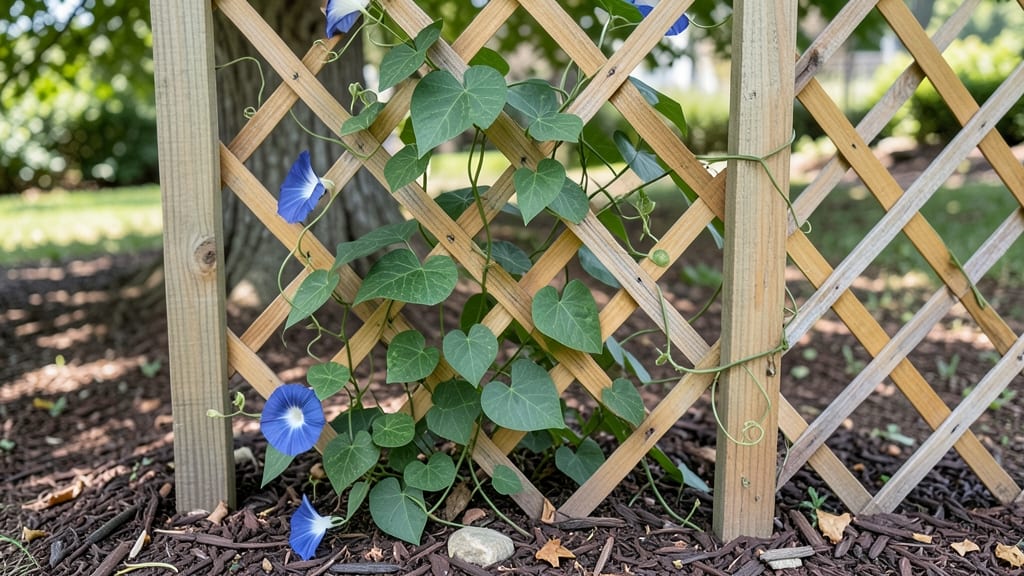
Growing morning glory in shade might sound impossible, but I’ve had these vibrant climbers thriving under trees for years—with the right varieties and care. 🌿 The key is choosing shade-tolerant types like Ipomoea nil ‘Black Dragon’ or Ipomoea batatas ‘Sweet Potato’, which handle dappled light better than sun-loving classics.
These plants won’t bloom as prolifically as their sun-starved cousins, but they’ll still produce stunning deep blue or purple flowers from spring to frost. The trade-off? Slower growth and fewer vines, but that just means less pruning for you.
Start with well-draining soil mixed with compost, and water consistently—shade slows evaporation, so soggy roots are a real risk. You’ll need sturdy trellises or fences to support their weight, even if growth is modest.
Pair them with ferns or hostas for a lush, layered look, and watch for powdery mildew in humid shade—spraying with neem oil keeps it at bay. Patience is the secret: these shade-lovers reward slow gardeners with months of color where others fail.
Morning glories in shade aren’t about flashy displays—they’re about quiet beauty and resilience. If your yard has filtered light or dappled sun, these climbers turn underused corners into vertical gardens. Just avoid full shade (they’ll stretch weakly and bloom poorly), and you’ll get reliable blooms without the sunburn risk.
The best part? They self-seed, so once established, they’ll keep coming back year after year.
📚 In This Guide
- What you need
- Instructions
- Tips and common mistakes
- Wrapping up and next steps
What you need
- ● Morning Glory Seeds (Shade-Tolerant Varieties): 50–100 seeds (e.g., Ipomoea purpurea 'Heavenly Blue' or Ipomoea nil 'Scarlet O’Hara', which thrive in partial shade).
- ● Well-Draining Potting Mix: 1–2 bags (10–15 cubic feet) of lightweight, organic potting soil (amend with perlite or compost for aeration).
- ● Containers or Garden Bed: Containers: 5–10 gallon pots (with drainage holes) for each plant, or a raised bed (4’x8’ minimum) for direct planting.
- ● Garden Bed: Loosen soil to 12–18 inches deep, enriching with 2–3 inches of compost.
- ● Support Structure: Trellis, fence, or obelisk (6–8 feet tall) for vining varieties. Pro tip: 💡 Use bamboo stakes or a DIY wire frame for budget-friendly options!
- ● Watering Can or Hose: With a gentle spray nozzle to avoid disturbing seedlings.
- ● Gloves & Pruners: For handling seeds and trimming (sterilize with rubbing alcohol!).
- ● Mulch: 2–3 inches of straw or shredded leaves to retain moisture and suppress weeds.
- ● Slow-Release Fertilizer: Balanced 10-10-10 or organic options (like fish emulsion) to boost growth.
- ○ Shade Cloth (Optional): 30–50% coverage for seedlings if your shade is too intense.
- ● Plant Labels: To track varieties (especially useful if testing multiple types!).
Step-by-Step guide to growing morning glory in shade
Morning glories thrive in shade with the right approach—here’s how to coax those vibrant blooms without full sun.
🌱 Step 1: Choose the Right Variety for Low Light
Not all morning glories tolerate shade equally. Opt for varieties like 'Heavenly Blue' or 'Moonlight'—they’re bred to handle partial shade better than traditional sun-lovers. Avoid deep-purple types; they often struggle to bloom in low light. I always check the seed packet for "partial shade tolerance" before buying.
Start with seeds indoors 4-6 weeks before your last frost date. Use small pots filled with sterile seed-starting mix to prevent damping-off. Plant 2 seeds per pot at a depth of ½ inch, then cover lightly with soil. Keep the mix moist but not soggy—morning glory seeds need consistent moisture to germinate.
🪴 Step 2: Prepare a Moisture-Retentive Growing Medium
Morning glories in shade need well-draining but moisture-retentive soil. Mix 2 parts potting soil with 1 part compost and ½ part perlite to improve aeration. Avoid garden soil—it compacts easily and drains too quickly, leaving roots thirsty.
Fill your climbing structure’s base (trellis, fence, or obelisk) with this blend, pressing it down gently to eliminate air pockets. Water thoroughly until moisture seeps from the bottom. Morning glories in shade wilt faster than sun-loving varieties, so never let the soil dry out completely—aim for evenly damp conditions.
☀️ Step 3: Provide Filtered Light and Gentle Airflow
Morning glories in shade need at least 4-6 hours of bright, indirect light daily. A north-facing wall or east-facing window works best. If growing indoors, place them near a south-facing window or under grow lights for 12-14 hours/day. You’ll know the light is right when leaves stay deep green (not yellow or pale).
Once seedlings develop true leaves (not the initial cotyledons), introduce a small fan on low setting for 2-3 hours daily. This mimics outdoor airflow and strengthens stems—critical for shade-grown vines, which can become floppy without support. Rotate the pot weekly so growth stays even.
💧 Step 4: Water Deeply and Fertilize Lightly
Shade-grown morning glories need more frequent watering than sun-loving types. Water when the top inch of soil feels dry—stick your finger in to check. Overhead watering can cause fungal issues, so water at the base in the morning. Avoid wetting leaves, especially in humid conditions.
Fertilize every 4-6 weeks with a balanced liquid fertilizer (10-10-10) diluted to half-strength. Too much nitrogen = lush foliage but few blooms. I swear by fish emulsion for shade plants—it’s gentle and packed with micronutrients. Stop fertilizing 6 weeks before first frost to encourage blooming.
✂️ Step 5: Train Vines and Deadhead for Continuous Blooms
Gently guide vines onto your trellis using soft plant ties or twine. Morning glories in shade grow slower, so don’t force them—let them climb naturally. Prune leggy stems back by ⅓ to encourage bushier growth. You’ll see new side shoots emerge within 2 weeks, signaling stronger blooming.
Deadhead spent flowers weekly to redirect energy into new blooms. Pinch off flowers just above the next set of leaves—this prevents seed formation and keeps the plant focused on flowering. In shade, blooms appear less frequently than in sun, so every flower counts. Watch for aphids on new growth; blast them off with water if you spot them.
Tips & tricks for perfect morning glory in shade
Here's what nobody tells you about coaxing vibrant blooms from shade-loving morning glories—these small tweaks make all the difference.
Variety Selection: Beyond 'Heavenly Blue' and 'Moonlight', look for seed packets labeled "partial shade tolerant" or "low-light varieties". I've found that some heirloom varieties like 'Starlight' actually perform better in shade than their commercial counterparts. Check the back of seed packets for light requirements—this is where most gardeners go wrong by assuming all morning glories are sun-lovers.
Light Optimization: In Step 3, when positioning your plants for those crucial 4-6 hours of indirect light, consider using a reflective surface like a white plastic tray under the pot. This can effectively double the light exposure by bouncing natural light back onto the leaves. For indoor growers, rotate plants weekly to prevent them leaning toward one light source—this creates more even, bushier growth.
Soil Science: The 2:1:½ ratio of potting soil to compost to perlite in Step 2 is perfect, but here's the secret: pre-moisten all components before mixing. Dry perlite absorbs moisture from your soil mix, leaving your morning glories thirsty. I like to soak the perlite separately for 10 minutes first, then squeeze out excess water before combining. This ensures your soil stays consistently moist without becoming waterlogged.
Pruning Strategy: When pruning leggy stems in Step 5, focus on removing the top third of the longest vines rather than just the tips. This encourages branching lower on the stem, creating a fuller plant with more blooms. The 2-week window mentioned for new growth is accurate, but I've found that shade-grown plants often respond faster to pruning—sometimes within 7-10 days—so don't hesitate to give them a trim if you notice excessive elongation.
Pro Tips for Morning Glory In Shade
- Here's what nobody tells you about coaxing vibrant blooms from shade-loving morning glories—these small tweaks make all the difference.
- Variety Selection: Beyond 'Heavenly Blue' and 'Moonlight', look for seed packets labeled "partial shade tolerant" or "low-light varieties".
- Light Optimization: In Step 3, when positioning your plants for those crucial 4-6 hours of indirect light, consider using a reflective surface like a white plastic tray under the pot.
Frequently asked questions
Got questions about growing morning glory in shade? You’re not alone! Here are some common queries—and their solutions—to help you nurture thriving vines even in low-light spots.
Can morning glory grow well in full shade?
While morning glories thrive in partial shade (4–6 hours of light), they may struggle in full shade. Opt for Ipomoea leptophylla (a drought-tolerant variety) or pair them with hostas or ferns for mutual shade support. If your spot gets no direct sun, consider shade-tolerant alternatives like clematis or passionflower.
How long does it take for morning glory to bloom in shade?
In shadier conditions, blooms may take 2–4 weeks longer (vs. 6–8 weeks in full sun). Patience is key! Ensure well-draining soil, consistent moisture, and a balanced fertilizer (like 10-10-10) to encourage flowers. Deadhead spent blooms to prompt reblooming.
What’s the best shade companion for morning glory?
Pair morning glories with tall, leafy companions like:
- Sunflowers (for vertical support)
- Tall grasses (e.g., Miscanthus)
- Trellis-friendly shrubs (e.g., hydrangeas)
Why isn’t my morning glory flowering in shade?
Lack of blooms often stems from:
- Insufficient light: Aim for at least 4 hours of dappled sun.
- Overcrowding: Thin vines or prune nearby plants.
- Nutrient deficiency: Feed with phosphorus-rich fertilizer (e.g., bone meal).
- Stress: Check for pests (e.g., slugs) or fungal issues (e.g., powdery mildew).
Are there shade-tolerant morning glory varieties?
Yes! While most varieties prefer sun, these low-light adaptable options stand out:
Variety
Shade Tolerance
Notes
Ipomoea quamoclit (Cypress Vine)
(Moderate)
Fast-growing; tolerates woodland edges.
Ipomoea nil (Heavenly Blue)
(Partial)
Needs morning sun; best for east-facing trellises.
Ipomoea batatas (Sweet Potato Vine)
(High)
Non-flowering but great for ground cover.
Wrapping up and next steps
Growing morning glory in shade proves that stunning blooms aren’t just for sunbathers—with the right variety and care, you can enjoy vibrant climbs even in low-light spots! 🌿 Whether you’re a seasoned gardener or a curious beginner, these shade-loving beauties bring joy with minimal fuss.
Ready to transform your garden corner? Start small: pick a container or trellis, plant your chosen variety, and watch your space come alive with color—one leaf at a time.
🌟 Next Steps:
- Test your soil—amend if needed for better drainage.
- Monitor moisture—shade plants often need consistent hydration.
- Experiment! Try different morning glory types to see what thrives best.