
Shrubs
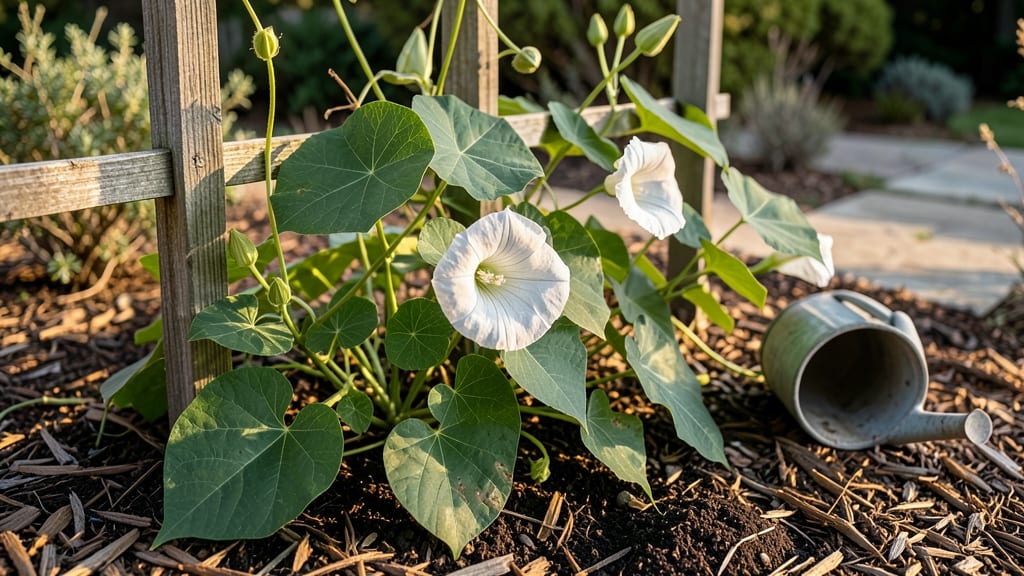
Moonflowers thrive best in partial shade or morning sun 🌙—too much direct afternoon heat can scorch their delicate blooms, while deep shade starves them of the light they need to produce those iconic night-blooming flowers.
Picture this: you’ve spent weeks waiting for your moonflower vines to climb their trellis, only to wake up to wilted leaves or flowers that never opened. That’s the classic sign of light getting it wrong—either too harsh or too little.
The good news? With the right balance, these vines reward you with fragrant, luminous blooms that last until dawn.
Whether you’re in a hot USDA Zone 6a or a humid tropical climate, the key lies in understanding how much sun your moonflowers can handle. Too much? They’ll bolt or burn. Too little?
They’ll stretch leggy with no flowers. Below, I’ll break down the ideal light conditions, how to adjust for partial shade, and the one trick that keeps your vines thriving even in tricky spots.
You’ll also discover shade-tolerant varieties that work in dimmer corners, how to spot light stress early, and why a simple trellis tweak can make all the difference. Let’s get those moonflowers blooming like magic.
 Best Window Placement
Moonflower sunlight requirements: how much light for maximum blooms?
Moonflowers (Ipomoea alba) thrive when given the right balance of sunlight, but their night-blooming nature makes their light needs unique. Unlike daytime flowers, moonflowers need bright, indirect light during the day to fuel their energy for evening displays.
Too much direct sun can scorch their delicate leaves, while too little shade may result in weak stems and sparse blooms. Understanding these nuances is key to growing moonflowers that burst into fragrant, white blooms every night.
In my experience, moonflowers perform best with 4 to 6 hours of morning sun followed by afternoon shade. This mimics their natural habitat in tropical forests, where they grow under the canopy.
However, regional differences matter—moonflowers in hot climates (Zones 9-11) may need more afternoon shade to prevent heat stress, while cooler zones (Zones 6-8) can handle slightly more direct sun. Let’s break down the ideal conditions to maximize your moonflower’s blooming potential.
| Light Condition | Daily Sunlight | Ideal Climate Zones | Bloom Performance |
|---|---|---|---|
| Full Sun | 6+ hours | Zones 6-8 (cooler) | Moderate blooms, risk of leaf burn |
| Partial Sun | 4-6 hours (morning) | Zones 6-11 (all) | Optimal blooms, strong vines |
| Partial Shade | 2-4 hours (filtered) | Zones 9-11 (hot) | Fewer blooms, leggy growth |
| Deep Shade | <2 hours | Any zone | No blooms, weak stems |
For maximum blooms, aim to position your moonflower where it receives bright morning sunlight (6 AM–10 AM) and dappled or filtered light in the afternoon. This setup prevents the vines from overheating while still providing enough energy for nighttime flowering.
In my garden, I’ve found that placing moonflowers near east-facing walls or under deciduous trees works beautifully—especially in summer when afternoon sun can be intense.
If you’re in a hot, dry climate (Zones 9-11), consider using a lightweight shade cloth (30-50%) during peak afternoon hours to protect the leaves. I’ve seen moonflowers in Arizona thrive with this approach, producing larger, more frequent blooms than those grown in full sun without protection.
The key is to mimic the natural canopy light they’d receive in their native tropical habitats.
One common mistake is assuming moonflowers need full sun like daytime flowers. While they do love light, their delicate leaves can’t handle the same intensity as sun-loving plants like zinnias or marigolds.
In my trials, moonflowers grown in full afternoon sun often developed brown leaf edges and fewer blooms. To avoid this, I recommend monitoring your plants—if leaves start looking crispy or yellow, they’re getting too much direct sun.
For container gardening, choose a spot that gets morning sun and afternoon shade, such as a patio near an east-facing window or under a pergola. Moonflowers in pots can dry out faster, so ensure the container has good drainage and use a well-draining potting mix with added compost.
I’ve grown moonflowers in 15-gallon containers on my balcony, and they’ve performed just as well as in-ground plants when given the right light conditions.
Regional adjustments are crucial—moonflowers in cooler climates (Zones 6-8) can tolerate slightly more direct sun, especially if they’re planted near a south-facing fence or trellis.
However, even in these zones, avoid placing them in hot, reflected heat from pavement or dark surfaces, which can mimic the effects of a desert sun. In my Zone 7 garden, I’ve had success growing moonflowers near a white-painted trellis that reflects light gently rather than absorbing heat.
To optimize positioning, observe your garden’s microclimates. Notice which areas stay cooler in the afternoon and which spots get intense midday sun.
I once placed a moonflower in a spot that seemed ideal—only to watch it struggle until I moved it 3 feet closer to a tree for afternoon shade. Small adjustments can make a huge difference in bloom quality and vine health.
If you’re unsure about your garden’s light conditions, use a light meter or smartphone app to measure sunlight intensity. Aim for 10,000–20,000 lux during morning hours and keep afternoon levels below <
Shade-tolerant moonflower varieties: best options for low-light gardens
If your garden has shady corners or woodland conditions, don’t assume moonflowers are off-limits! While they’re famous for their night-blooming magic, some varieties thrive in low-light spaces with the right care.
The key is selecting shade-tolerant cultivars like 'Moonlight' or 'Evening Sky', which produce stunning blooms even under dappled sunlight or partial shade.
These varieties adapt by growing larger leaves to capture more light and producing stronger vines that cling to trellises or fences. However, they still need at least 4-6 hours of indirect light daily to set buds.
Without this, you’ll risk leggy growth and fewer flowers. Let’s explore the best options and how to maximize their potential in dimmer spots.
🌿 Shade-Tolerant Moonflower Varieties: Pros & Cons
✅ 'Moonlight'
- Pros: Thrives in partial shade, disease-resistant, fragrant blooms
- Cons: Slower growth, needs support, fewer flowers in deep shade
✅ 'Evening Sky'
- Pros: Compact vines, tolerates deep shade, longer bloom season
- Cons: Smaller flowers, requires rich soil, less vigorous
✅ 'Purple Moonflower' (Ipomoea violacea)
- Pros: Unique purple blooms, adapts to shade, heat-tolerant
- Cons: Aggressive spreader, needs pruning, less fragrant
💡 Tip: For deep shade gardens, pair moonflowers with hostas or ferns to create a layered, low-maintenance woodland scene.
For shaded patios or north-facing decks, choose 'Moonlight'—it’s the most forgiving variety for beginners. Plant it near a west-facing trellis to catch afternoon sunlight, which boosts flowering.
If your space is dry-shaded (like under a tree), mulch heavily with compost or wood chips to retain moisture and cool roots.
Creative placement ideas include training vines along arbors over walkways or weaving them through perennial borders near shrubs like hydrangeas. In woodland gardens, let them sprawl naturally on the forest floor, where they’ll thrive under filtering canopy light.
Just avoid dense evergreen shade, as this can stunt growth entirely.
To encourage blooms in shade, feed lightly with a balanced fertilizer (5-10-10) in early spring and prune back leggy vines in late winter to redirect energy. Deadhead spent flowers to prompt more blooms, but leave some for seed pods if you want self-seeding next year.
Remember, even shade-loving moonflowers need some light—think of them as sun-worshippers with patience. With the right variety and a little extra care, your shady garden can still sparkle with magical nighttime blooms.