
Orchid Care
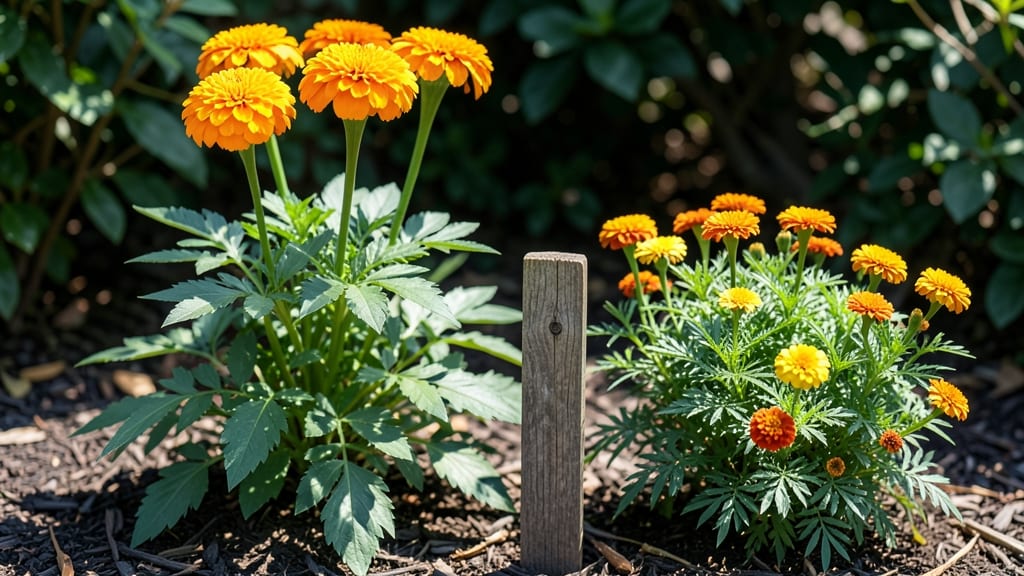
Marigolds thrive in sun or shade, but their placement determines whether you get bold blooms or sparse stems.
Struggling to keep your marigolds blooming all season? The secret isn’t just water or fertilizer—it’s getting their sun exposure just right. These vibrant flowers thrive in specific light conditions, and placing them wrong can mean sparse blooms or leggy stems.
Most marigolds love full sun (at least 6 hours daily), but some varieties handle partial shade better. French marigolds, for example, tolerate morning sun and afternoon shade, while African types demand bright light.
I’ll break down the best spots in your garden and how to adjust care for each type.
You’ll learn how to spot the perfect location, troubleshoot light-related issues, and even revive underperforming plants. With these tips, your 🌼 marigolds will stay vibrant from spring through fall—no matter where you plant them.
 Best Window Placement
Ideal sun requirements for marigolds: how much light do they need?
Marigolds are sun worshippers at heart—6 to 8 hours of direct sunlight daily is their sweet spot for vibrant blooms and sturdy growth. When placed in full sun, these cheerful flowers pack their petals with rich pigments and produce more blooms per stem.
But don’t panic if your garden is partially shaded; marigolds are adaptable and can thrive with at least 4 hours of morning sun, though their performance will differ.
The key to marigold success lies in understanding how sunlight triggers their photosynthesis efficiency. In full sun, their leaves convert light into energy more rapidly, fueling continuous flowering from early summer through frost.
Without enough light, marigolds stretch toward the sun, creating leggy stems and fewer blooms—a common sign they’re light-deprived. Even in partial shade, positioning them where they catch bright indirect light (like near a south-facing window) can prevent this.
Here’s the science: Marigolds use sunlight to produce carotenoids, the pigments that give them their signature orange, yellow, and gold hues. Full sun exposure maximizes carotenoid production, while low light reduces pigment intensity, leading to paler blooms.
If you’ve ever grown marigolds that looked lackluster, chances are they weren’t getting enough light to fuel their color chemistry.
Identifying the perfect spot for your marigolds starts with observing your garden’s microclimates. Even in a sunny yard, some areas might get partial shade from structures or other plants.
To test light exposure, use a simple trick: Place a white board or piece of cardboard in potential planting spots for a few hours. If it’s baking hot by midday, that’s full sun. If it stays cool, it’s likely partial shade.
For containers, opt for south- or west-facing spots to maximize sunlight.
Seasonal adjustments are key, especially in regions with long summer days. While marigolds love summer sun, they can also handle milder afternoon shade in extreme heat (like 90°F+). This prevents heat stress, which can cause blooms to wilt or leaves to scorch.
If your marigolds are in containers, move them to a shadier spot during peak afternoon heat to protect their roots and leaves.
For gardeners in USDA Zones 8–10, where winters are mild, marigolds can bloom year-round with consistent sunlight. In cooler zones (like Zones 3–7), they’ll still thrive in full sun but may need a lightweight row cover in early spring to protect young plants from late frost damage.
The cover should be removed once temperatures stabilize to ensure they get their required sunlight.
Pro tip: Pair marigolds with tall sun-loving companions like sunflowers or cosmos to create a vertical sun-catching display. This not only maximizes light exposure for both plants but also adds height and drama to your garden.
Just avoid planting them near shade-tolerant perennials like hostas or ferns, which will compete for the same limited light.
If you’re growing marigolds in containers or window boxes, choose varieties bred for compact growth, like the ‘Bonanza’ series. These stay bushy even in partial shade, making them ideal for patios or balconies.
For in-ground plantings, space marigolds 12–18 inches apart to ensure each plant gets adequate airflow and sunlight, reducing the risk of fungal diseases like powdery mildew.
Remember, marigolds are forgiving—even if you misjudge their light needs at first. If your plants start looking leggy or sparse, simply move them to a sunnier spot and watch them rebound in 2–3 weeks.
With the right light, your marigolds will reward you with months of bright, cheerful blooms that deter pests and attract pollinators. 🌼☀️
Best marigold varieties for shade vs. sun: a gardener’s guide
Not all marigolds are created equal when it comes to sunlight. While most varieties crave full sun, some shade-tolerant types exist for tricky garden spots. The key is matching your marigold variety to your garden’s light conditions.
French marigolds, for example, handle partial shade better than their African cousins, which need 6+ hours of direct sun to thrive. Let’s break down the best options for your space.
Your garden’s light conditions dictate which marigold varieties will shine. African marigolds dominate sunny borders with their towering 3-foot stems, while French marigolds thrive in partial shade with their bushy 1-2 foot habit.
Even Signet marigolds—a compact hybrid—can adapt to mixed light if given afternoon shade. The right placement means more blooms and fewer leggy stems.
Sun-Loving Marigolds vs. Shade-Tolerant Types
🌞 Sun-Loving Varieties
- African Marigolds - 6+ hours sun, 36-inch height, bold blooms
- Tangerine Gem - Full sun, 18-inch, drought-tolerant
- Janie - Sun to partial shade, 24-inch, heat-resistant
Best for: Border edges, container gardens, cut flower beds
🌳 Shade-Tolerant Varieties
- French Marigolds - 4-6 hours sun, 12-24-inch, bushy habit
- Signet Marigolds - Partial shade, 12-inch, compact blooms
- Bonanza - Mixed light, 18-inch, long bloom season
Best for: Under trees, woodland gardens, container shade
Pro Tip:
For mixed-light gardens, try French marigolds near hostas or Signet types under fruit trees—they’ll still produce 30-50% more blooms than sun-only varieties in low light.
If your garden has partial shade (3-6 hours of sun), focus on French marigolds like ‘Bonanza’ or ‘Souvenir’. These varieties produce smaller but prolific blooms even with just morning sunlight.
For deep shade (under 3 hours), consider Signet marigolds, though expect fewer blooms—supplement with artificial grow lights if possible for container plants.
For full-sun spots, African marigolds are the superstars. Varieties like ‘African Sun’ or ‘Crackerjack’ need 6+ hours of direct sun to prevent stem elongation. Place them near tomatoes or peppers to deter pests naturally while maximizing their 3-foot height.
In containers, rotate pots weekly to ensure even light exposure.
Adjust your care based on light exposure. Sun-loving marigolds need weekly watering and monthly fertilizer, while shade varieties tolerate drier soil and less frequent feeding. Always deadhead spent blooms—this trick works for all varieties to extend the bloom season by 4-6 weeks, regardless of sunlight.
Experiment with mixed-light placements this season. Try grouping French marigolds with shade-tolerant veggies like lettuce or spinach. The marigolds will thrive in their partial shade while the greens appreciate the dappled sunlight.
With the right variety in the right spot, your marigolds will reward you with bold color and continuous blooms all season long. 🌻