
Trees
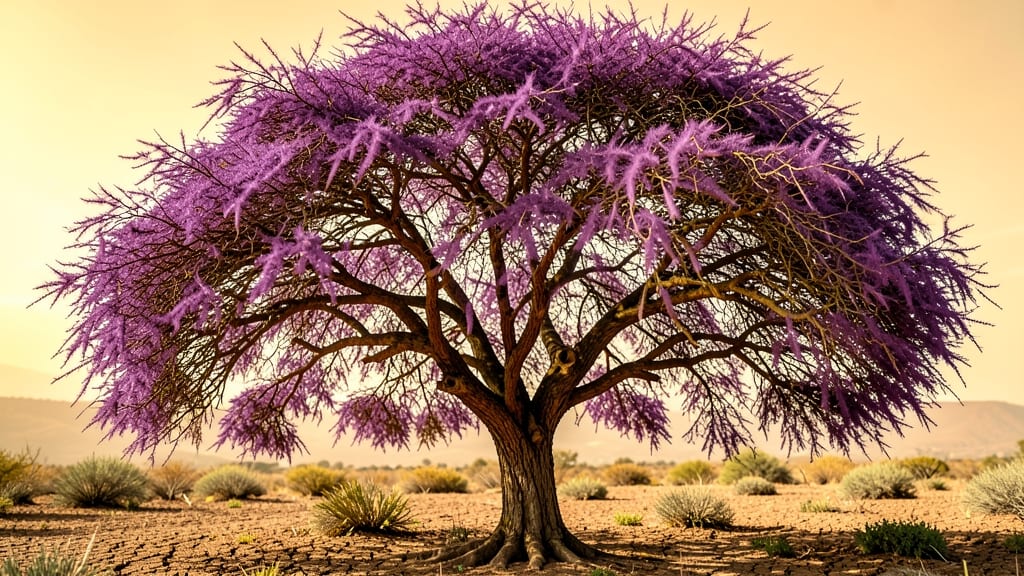
Dark yards need shade trees that grow quickly, require minimal care, and provide privacy without overwhelming maintenance. These 10 low-maintenance options deliver dense foliage, rapid growth, and resilience to thrive in shady spaces—perfect for busy homeowners or those new to gardening.
Eastern Redbud Tree for Spring Color

Transform your urban yard into a springtime showstopper with the Eastern Redbud (Cercis canadensis), a small tree that bursts into vibrant purple blooms before its leaves even emerge. Unlike many shade trees, this native beauty thrives in partial shade (3-6 hours of sun) and grows quickly—reaching 20-30 feet in just 10-15 years—without developing invasive roots.
Plant it in well-drained soil and water regularly the first year to establish roots, but after that, it’s drought-tolerant once mature. The heart-shaped leaves provide light shade in summer, and the tree’s compact size makes it perfect for tight spaces where larger trees would overwhelm. Bonus: Its smooth, textured bark adds winter interest when the blooms fade.
Urban gardeners and small-space owners will love how the Eastern Redbud delivers instant curb appeal with minimal upkeep—no heavy pruning or constant watering required. 🌷
Japanese Maple with Lace Leaves

If your yard is more patio than pasture, a Japanese Maple with lace leaves brings the beauty of a full-size tree without the space requirements. This dwarf variety (like 'Shishigashira' or 'Seiryu') grows just 6-10 feet tall, making it ideal for tight urban gardens, container growing, or even as a focal point on a small deck.
The real magic lies in its delicate, fern-like foliage that unfurls like lace in spring, offering dappled shade without blocking light completely. Unlike larger maples, these varieties require minimal pruning—just occasional shape trimming to encourage bushier growth. They thrive in partial shade (3-6 hours of sun) and tolerate a range of soils, including clay.
Perfect for gardeners who love the elegance of maples but lack the space for full-size specimens, this tree delivers year-round interest with stunning fall colors and graceful branching. It’s the ultimate low-maintenance shade solution for small spaces. 🌿
Weeping Willow for Water Feature Privacy

Transform your water feature into a serene retreat with the weeping willow, a fast-growing shade tree that thrives near ponds, streams, or even decorative water gardens. Its graceful, cascading branches create a natural privacy screen while providing instant shade—perfect for larger properties where you want both beauty and function.
Plant this tree within 3–6 feet of water’s edge for optimal growth, as its roots naturally seek moisture. The weeping willow grows 3–5 feet per year, reaching heights of 30–50 feet, so it’s ideal for quick privacy. Just be mindful of its expansive root system—keep it at least 20 feet from foundations or driveways to avoid potential damage.
Best for homeowners with space to spare, this tree adds a dramatic focal point while requiring minimal pruning once established. Its lush foliage and soothing silhouette make it a standout for any water feature. 🌿
Crape Myrtle for Drought-Resistant Shade

If you live in a hot, dry climate and dread watering shade trees, crape myrtle is your game-changer. This hardy tree thrives on neglect, offering vibrant summer blooms and smooth, peeling bark that adds texture to your landscape—all while sipping minimal water.
Native to the southeastern U.S., crape myrtle handles full sun exposure and drought conditions with ease, making it perfect for water-conscious gardeners. Its clusters of flowers (in shades of pink, purple, or white) bloom from mid-summer to fall, providing seasonal color without the fuss of pruning. Plus, the tree’s natural shape requires little shaping—just remove dead branches in late winter.
This tree shines brightest in urban backyards or rural properties where water conservation is a priority. Once established, it needs almost no irrigation, making it ideal for eco-friendly landscaping. 🌻
Hornbeam Tree for Year-Round Interest

Looking for a low-maintenance shade tree that adds structure and elegance to your formal garden without demanding constant attention? The hornbeam tree delivers year-round interest with its striking exfoliating bark and glossy, deep green leaves—all while growing at a slow, manageable pace. Unlike fast-growing trees that require frequent pruning, hornbeams maintain their shape naturally, making them ideal for hedges, borders, or standalone specimens.
This versatile tree thrives in partial to full shade (3-6 hours of sun) and tolerates a wide range of soils, including clay and loam. Its dense foliage provides excellent shade in summer, while the peeling golden-brown bark offers winter texture when leaves fall. Prune only to shape young trees—mature hornbeams need little more than occasional cleanup. Varieties like American hornbeam or European hornbeam add height (20-30 feet) and width (15-25 feet) without overwhelming smaller gardens.
Perfect for gardeners who love structured landscapes but hate high-maintenance plants, the hornbeam is a standout choice for formal gardens, historic estates, or even urban courtyards. Its timeless appeal and resilience make it a low-stress investment for decades of beauty. 💚
Leyland Cypress for Fast Privacy Screens

Need a no-fuss privacy screen that grows faster than weeds? The Leyland Cypress delivers a thick, evergreen barrier in just 5–10 years, making it the ultimate solution for blocking noise, wind, or nosy neighbors. Unlike slow-growing options, this hybrid (a cross between Monterey and Nootka cypress) shoots up 3–4 feet per year, creating an impenetrable hedge without constant pruning.
Plant Leyland Cypresses 3–4 feet apart in full sun for maximum density, and watch them fill gaps within a season. They thrive in well-drained soil and tolerate salt spray, wind, and urban pollution—ideal for coastal or city properties. For long-term health, prune lightly in late winter to shape the top, but avoid over-trimming to preserve their fast-growing vigor.
Perfect for homeowners who want instant privacy without the upkeep of manicured hedges, this tree is especially great for windbreaks, fence replacements, or noisy street buffers. Just plant a row and forget about it—your screen will mature in record time. ✨
Serviceberry Tree for Edible Shade

Tired of choosing between shade and edible landscaping? The serviceberry tree (Amelanchier spp.) delivers both with effortless elegance—white spring blooms, juicy purple berries, and vibrant fall foliage—all while requiring less fuss than fruit trees. Unlike its high-maintenance cousins, this understory native thrives in partial shade to full sun and tolerates a wide range of soils, including rocky or poor-quality earth.
Plant it in well-drained soil and water occasionally the first year, but once established, it’s drought-tolerant and pest-resistant. The berries ripen in late summer, offering a sweet-tart treat for wildlife (and you!) while the tree’s compact size (15–25 feet tall) makes it perfect for small yards or woodland gardens. Prune only to remove dead branches—no heavy shaping needed.
This tree is a game-changer for homesteaders, urban gardeners, and anyone craving low-maintenance beauty with a harvest. It’s the ultimate multi-season performer that works hard while looking effortless. 🌟
Amur Maple for Cold-Climate Resilience

When winter winds howl at -40°F, most shade trees surrender—but the Amur Maple (Acer ginnala) stands tall with its vibrant fall foliage still blazing. This cold-hardy superstar thrives where other trees freeze, offering a compact yet dramatic shade solution for northern yards with minimal fuss.
Native to Siberia and China, this tree handles full sun to partial shade and grows just 15–20 feet tall with a spread of 15–25 feet—ideal for medium-sized yards. Its brilliant red-orange fall colors outshine many shade trees, and its small, samara-like seeds add winter interest. Plant it in well-draining soil, water deeply the first year, then let it thrive with almost no maintenance—no pruning required unless you want to shape it.
Perfect for gardeners in USDA zones 2–7, this tree delivers shade, beauty, and resilience without the upkeep of high-maintenance varieties. It’s the ultimate cold-climate shade solution for those who refuse to compromise on autumn color. ✨
Italian Alder for Wet Soil Tolerance

Turn your soggy, problem spots into lush shade havens with the Italian Alder (Alnus cordata), a hardy tree that doesn’t just tolerate wet soil—it thrives in it. Unlike most shade trees that struggle in boggy or poorly drained areas, this native European beauty sends out deep roots to stabilize soggy ground while providing dense, year-round shade that other trees can’t match.
Plant it in full sun to partial shade (3-6 hours of light) where water pools or drainage is poor—it handles saturated soil like a champ. The golden-yellow fall foliage adds a stunning seasonal contrast, and its fast growth rate (2-3 feet per year) means you’ll get shade quickly. Italian Alder also supports local ecosystems by hosting caterpillars that feed birds, making it a dual-purpose problem-solver.
Perfect for gardeners with wetland edges, low-lying yards, or rain gardens, this tree turns "problem areas" into assets with almost no maintenance. Just avoid over-pruning—its natural shape is its strongest feature. 🌟
Smoketree for Fire-Resistant Privacy

If you live in a wildfire-prone area and need a shade tree that won’t fuel flames, the smoketree (Cotinus) is your secret weapon. Unlike flammable evergreens, this drought-proof beauty thrives in dry conditions while offering striking purple foliage that adds drama to any landscape—no watering required once established.
Native to arid regions, smoketrees grow 15–25 feet tall with a rounded shape, providing light to moderate shade while resisting fire due to their low-sap, non-resinous leaves. Plant in full sun for maximum color intensity, and watch as the foliage takes on a smoky haze in summer, especially after rain. Prune lightly in late winter to maintain shape, but avoid heavy cuts—this tree’s natural form is part of its charm.
Perfect for rural homesteads, desert landscapes, or suburban yards near fire zones, smoketrees offer year-round structure with minimal care. Their fire-resistant nature makes them a smart choice for homeowners prioritizing safety without sacrificing beauty. 💚