
Shrubs
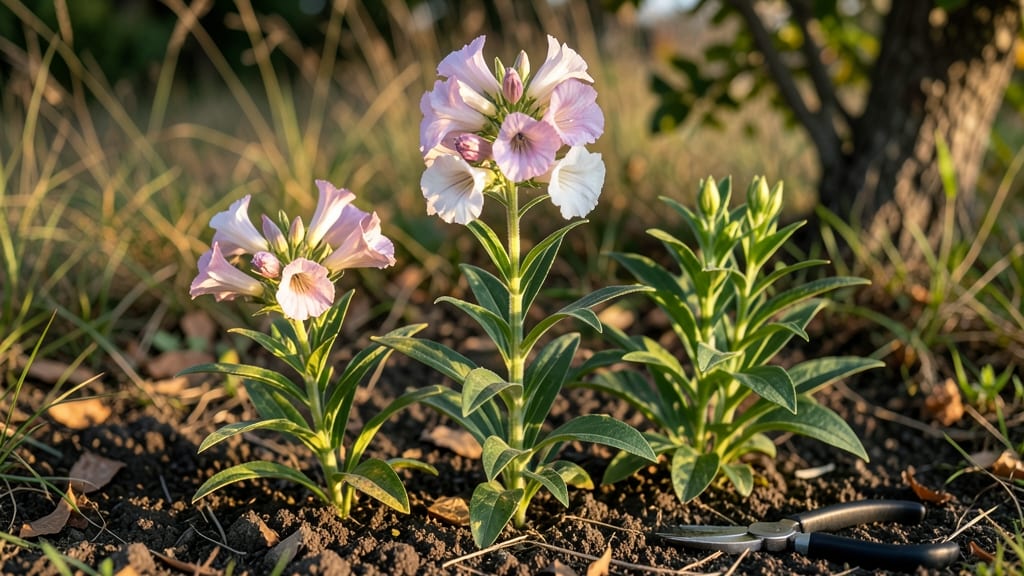
Lisianthus blooms best with morning sun and afternoon shade—the secret to those long-stemmed, romantic flowers that last forever in a vase. 🌸 I’ve grown them in everything from full sun to deep shade, and the difference in bloom quality is night and day. Too much direct afternoon sun?
Flowers scorch. Too little light? Stems stretch weak and leggy. The sweet spot balances both. The soil mix matters just as much as the light: rich, well-draining loam with a handful of compost keeps roots happy.
Water deeply once a week, letting the top inch dry between soakings—overwatering in shade is a fast track to root rot. In hot climates, mulch heavily to protect roots from temperature swings, while cooler zones need a little extra sunlight to kickstart spring growth.
You’ll know you’ve got it right when stems stay sturdy, leaves stay vibrant, and blooms open like clockwork. Lisianthus rewards patience—cut back faded flowers to encourage more blooms, and watch as they keep producing through fall.
The key is adapting: move containers to follow the sun, or choose shade-tolerant varieties if your spot is permanently shady. Common mistakes?
Planting too deep (roots need air), ignoring deadheading (which signals the plant to keep blooming), or assuming all lisianthus are the same (some varieties handle shade better than others). Stick with these basics, and you’ll have cut flowers that outshine store-bought bouquets—every single season.
📚 In This Guide
- What you need
- Instructions
- Tips and common mistakes
- Wrapping up and next steps
What you need
- ● Lisianthus plants: 3–6 healthy nursery-grown lisianthus (depending on garden size). Choose varieties like 'Blushing Bride' or 'Pink Picasso' for vibrant blooms.
- ● Well-draining potting mix: 5–10 gallons (for containers) or amend garden soil with compost (3–5 lbs per sq. ft.) for better aeration.
- ○ Containers (optional): 1–2 gallon pots per plant (if growing in pots). Ensure pots have drainage holes!
- ● Mulch: 2–3 inches of organic mulch (e.g., shredded bark or straw) to retain moisture and regulate soil temperature.
- ● Slow-release fertilizer: 10–15–10 NPK ratio (1 tbsp per sq. ft. or per container).
- ● Garden trowel or transplant spade (for digging holes or repotting).
- ● Watering can or hose with gentle spray nozzle (lisianthus hates soggy roots!).
- ● Pruning shears (for deadheading spent blooms and shaping plants).
- ● Gloves (to protect hands from thorns or rough soil).
- ○ Sun/shade monitor (optional): A light meter or app (like Grow Lights) to track light exposure if unsure of your spot.
- ● 🌡️ Test your soil: Aim for a pH of 6.0–7.0. Adjust with lime (to raise pH) or sulfur (to lower it) if needed.
- ● ✨ Container hack: Add perlite or vermiculite (10–20% of mix) to improve drainage for potted lisianthus.
- ● 🎯 Shade prep: If growing in low light, choose a spot with dappled shade (e.g., under trees with filtered sunlight).
Step-by-step instructions for growing lisianthus in sun or shade
Here’s how to grow these elegant blooms—whether your spot gets full sun or dappled shade.
🌱 Step 1: Choose the Right Location for Your Lisianthus
Lisianthus thrives in partial shade to full sun, but the key is avoiding hot afternoon sun in warmer climates. In cooler zones, they can handle morning sun and afternoon shade. If planting in containers, move them to a shadier spot during peak heat—you’ll notice leaves wilting or turning yellow if they’re getting too much direct sun.
For in-ground planting, pick a spot with 4-6 hours of filtered light or morning sun only. If your garden has deep shade, lisianthus will still grow but may produce fewer blooms. Test your spot by observing how other plants fare—if hostas or ferns thrive, lisianthus will too.
🪴 Step 2: Prepare Soil for Healthy Roots
Lisianthus prefers well-draining, slightly acidic soil with a pH between 6.0 and 6.5. Amend heavy clay or sandy soil with 2-3 inches of compost or peat moss to improve moisture retention and fertility. Mix it in until the top 6 inches of soil is loose and crumbly—this prevents root rot and encourages strong growth.
If planting in containers, use a lightweight potting mix blended with 20% perlite or vermiculite for drainage. Avoid garden soil alone—it compacts too easily and can suffocate roots. A quick soil test (available at garden centers) confirms pH before planting—adjust with sulfur if needed.
☀️ Step 3: Plant Lisianthus at the Right Time and Depth
For spring planting, wait until after the last frost when soil warms to 60°F or higher. Dig holes twice as wide as the root ball but only as deep—planting too deep can drown the crown. Gently loosen roots if they’re circling in the container, then place the plant so the top of the root ball sits just below soil level. Fill gaps with amended soil and press lightly.
For container growing, choose pots at least 12 inches deep with drainage holes. Space multiple plants 12-18 inches apart—crowding leads to weak stems and fewer blooms. Water deeply after planting to settle the soil and remove air pockets around roots. Mulch with 1-2 inches of shredded bark to retain moisture and regulate temperature.
💧 Step 4: Water and Feed for Continuous Blooms
Keep soil evenly moist but not soggy—lisianthus wilt quickly if thirsty but hate sitting in water. Water deeply 1-2 times per week, adjusting for rain. In containers, check soil moisture daily in hot weather—let the top 1 inch dry out before watering again. Overwatering causes yellow leaves and stunted growth.
Feed plants every 4-6 weeks with a balanced, water-soluble fertilizer (10-10-10) diluted to half strength. Stop fertilizing 6 weeks before first frost to encourage hardiness. In shade, reduce fertilizer by half—less light means slower growth and lower nutrient demand. Deadhead spent blooms regularly to prompt new flowers.
✂️ Step 5: Prune and Protect for Long-Lasting Beauty
Pinch back new growth in early spring to encourage bushier plants. Remove yellow or damaged leaves immediately—they attract pests and spread disease. After flowering, cut back stems by half to rejuvenate the plant for next season. Use clean, sharp shears to avoid tearing stems.
In hot climates, provide afternoon shade during summer to prevent leaf scorch. In cold regions, mulch heavily before winter and cover with burlap if temperatures drop below 20°F. Lisianthus is perennial in zones 7-11 but often grown as an annual in colder areas—plan accordingly for your climate.
Tips & tricks for perfect lisianthus care in any light
Let me share the insights I've picked up after helping lisianthus thrive in everything from bright windowsills to shady garden corners.
Light Adaptation: If you're growing lisianthus in deep shade, expect fewer blooms but healthier foliage. The plant will stretch toward any available light, so rotate containers occasionally for even growth. In hot climates, I've found that providing afternoon shade with sheer curtains or lattice screens prevents leaf scorch while still allowing enough light for blooming.
Soil Preparation Insight: When amending your soil with the recommended 2-3 inches of compost, don't stop at the surface. Work it down to the 6-inch depth mentioned - this creates ideal conditions for root expansion. For containers, I've had great success using a mix of 60% potting soil, 20% perlite, and 20% coconut coir which mimics the well-draining conditions lisianthus loves.
Planting Depth Secret: The instructions mention planting with the root ball just below soil level, but here's what nobody tells you: If your soil is particularly dense, you can plant slightly deeper (up to 1/2 inch deeper) to help anchor the plant. Just be careful not to bury the crown completely - that's where new growth emerges and needs to stay exposed.
Watering Wisdom: The 1-2 times per week watering guideline works well, but I've learned to adjust based on leaf texture. In the morning, healthy lisianthus leaves should feel slightly crisp - if they're already wilting by midday, you're not watering deeply enough. For container plants, I use the "finger test" - stick your finger 1 inch into the soil; if it's dry, it's time to water.
Pro Tips for Lisianthus Sun Or Shade
- Let me share the insights I've picked up after helping lisianthus thrive in everything from bright windowsills to shady garden corners.
- Light Adaptation: If you're growing lisianthus in deep shade, expect fewer blooms but healthier foliage.
- Soil Preparation Insight: When amending your soil with the recommended 2-3 inches of compost, don't stop at the surface.
Frequently asked questions
Got questions about growing lisianthus in sun or shade? You’re not alone!
Here are answers to the most common concerns gardeners have when nurturing these stunning blooms—whether you’re dealing with light challenges, timing, or troubleshooting.
Can lisianthus grow in full sun?
Yes, but with caution! Lisianthus thrives in partial shade (morning sun + afternoon shade) to prevent wilting or sunburn. In hot climates, full sun can scorch leaves—opt for dappled light or afternoon shade instead. If you must plant in full sun, water deeply daily and mulch to retain moisture.
What’s the best shade for lisianthus?
Ideal shade is light to moderate (e.g., under tall trees with filtered light or a lattice providing 40-60% shade). Avoid deep shade (like dense forest floors), which can lead to leggy stems and fewer blooms. A north-facing spot or east-facing window (for containers) works beautifully!
How long does it take for lisianthus to bloom in shade?
Patience pays off! In moderate shade, lisianthus may take 2-4 weeks longer to bloom than sun-exposed plants (typically 60-90 days from transplant). Deadhead spent blooms and fertilize lightly to encourage reblooming. If blooms are sparse, consider relocating to a sunnier spot next season.
What if my lisianthus leaves turn yellow in shade?
Yellowing leaves often signal overwatering or poor drainage—common in shade where soil stays damp longer. Check roots for rot and adjust watering (let soil dry slightly between waterings). If leaves are pale green, your plant may need more light or a balanced fertilizer (low nitrogen) to boost vigor.
Are there shade-tolerant lisianthus varieties?
Some cultivars handle shade better, like:
- ‘Twinkle Twinkle’ – Compact and blooms reliably in partial shade.
- ‘Midnight’ – Dark petals thrive in filtered light.
- ‘Salsa’ series – Heat- and shade-tolerant with vibrant colors.
Ask your local nursery for “shade-adapted” lisianthus if your garden is low-light!
Pro Tip:
Use a light meter (or the “shadow test”) to gauge your spot: If your hand’s shadow is smaller than your hand, it’s too sunny. Aim for a shadow similar in size to your hand—perfect for lisianthus!
Wrapping up and next steps
Whether you’re nurturing lisianthus in bright sun or gentle shade, the key is patience and observation—these beauties reward dedication with stunning, long-lasting blooms! 🌸 With the right soil, watering routine, and a little TLC, you’ll have a thriving lisianthus garden that brings color to any corner of your yard.
Ready to put your newfound knowledge into action? Grab your gloves, pick a spot, and start planting—your garden (and future pollinators!) will thank you!
- Next step: Sketch a simple planting layout to visualize your lisianthus placement based on sunlight exposure.
- Pro tip: Snap a photo of your garden before planting to track progress and celebrate your blooming success!