
Light Requirements
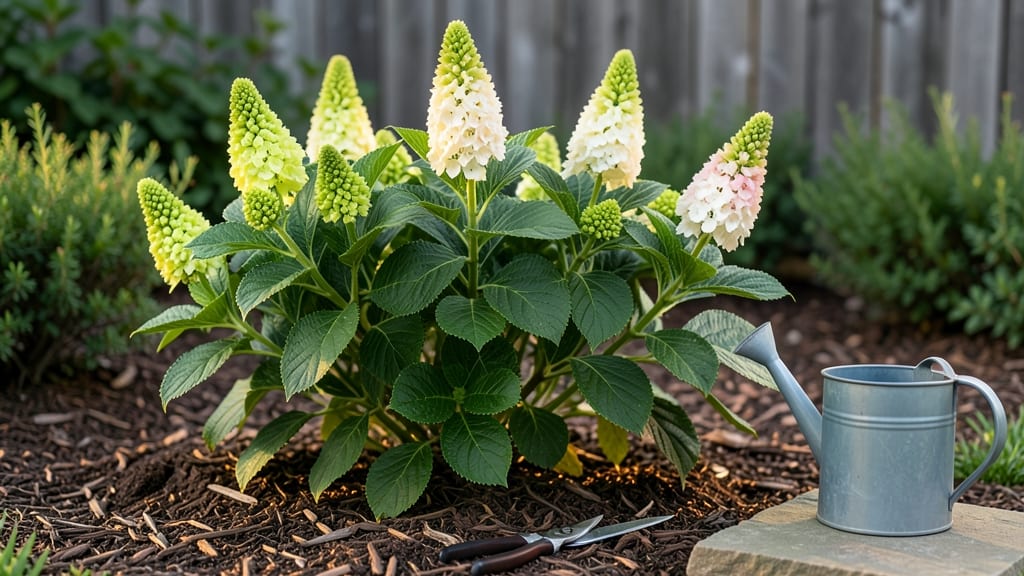
A Limelight hydrangea thrives in shade 🌸, but its blooms depend on the right care—especially when it comes to pruning.
Picture this: You’ve spent months nurturing your hydrangea, only for it to produce sparse, weak flowers despite your best efforts. The issue? Most pruning guides assume full sun, but shade-grown Limelight hydrangeas need a different approach to stay lush and vibrant.
In this guide, I’ll walk you through the shade-optimized pruning schedule that keeps your hydrangea blooming year after year—without the leggy stems or missed blooms. You’ll learn when to prune, what to cut (and what to leave), and how to revive a neglected plant with simple adjustments.
No more guessing—just clear, actionable steps to turn your shady corner into a hydrangea hotspot.
 Best Window Placement
When to prune Limelight hydrangeas in shade for maximum blooms
If your Limelight hydrangea struggles to bloom in shady spots, the key to lush, year-round flowers lies in timing your pruning perfectly. Unlike sun-loving varieties, shade-grown Limelights need a gentler, more strategic approach to avoid stunted growth or weak stems.
The wrong timing can leave you with sparse blooms or leggy branches, but mastering this schedule will transform your hydrangea into a floral powerhouse even in low light.
Most gardeners make one critical mistake: they prune Limelight hydrangeas in shade the same way they would sun-exposed plants. This leads to over-pruning, which stresses the plant and reduces next year’s blooms.
Instead, we’ll focus on a 3-step pruning window tailored for shade—late winter, early spring, and post-bloom—to maximize flowers without sacrificing growth.
Why timing matters in shade: Limelights in low light already grow slower and produce fewer buds naturally. Pruning at the wrong time can delay bud formation or remove next year’s flower clusters before they form. By following this schedule, you’ll stimulate reblooming while keeping your plant healthy and compact.
| Pruning Time | Action | Purpose | Shade-Specific Notes |
|---|---|---|---|
| Late Winter (USDA Zone 6a: February-March) | Remove dead/diseased wood only | Prevents fungal spread | Avoid cutting healthy stems—shade plants need all energy for buds |
| Early Spring (March-April, after last frost) | Thin 1/3 of oldest stems to base | Encourages new growth and blooms | Prioritize thicker stems—they produce more buds in shade |
| Post-Bloom (July-August) | Cut 1/2 of current season’s blooms at base | Stimulates reblooming for fall color | Leave 3-5 strongest stems—shade plants bloom less vigorously |
Your first pruning window in late winter is the most critical for shade-grown Limelights. This is when you remove only dead or diseased wood—never healthy stems. Shade-stressed plants have limited energy reserves, so cutting back too early can delay bud formation or even prevent flowering entirely.
Think of this as a light cleanup to protect your plant’s health without stressing it.
By early spring, after the last frost (around March-April in USDA Zone 6a), you’ll thin one-third of the oldest stems to the base. This might seem drastic, but it’s essential for stimulating new growth in shade. Limelights in low light often produce long, leggy stems with few buds.
Removing the oldest stems redirects energy to thicker, bushier stems that will produce more flowers. Always choose the thickest, healthiest stems to keep—they’re the ones that will bloom best.
After your hydrangea finishes its summer blooms (typically July-August), it’s time for the rebloom pruning. Cutting half of the current season’s blooms at the base encourages a second flush of flowers in fall.
In shade, this step is even more important because your plant’s blooming cycle is already slower due to low light. By removing spent blooms, you’re telling the plant to redirect energy into producing new buds for a late-season display.
One common mistake I see in shade gardens is pruning too late in the season. If you wait until September or October, your Limelight won’t have time to harden off before winter, leading to weak growth next spring.
Always finish pruning by mid-August to give your plant 6-8 weeks of growing season to recover. This is especially true in cooler climates where winters are longer.
To maximize blooms in shade, pair your pruning schedule with light fertilization in early spring. Use a balanced 10-10-10 fertilizer to support new growth, but avoid heavy feeding—shade plants are sensitive to excess nitrogen, which can lead to leafy growth at the expense of flowers.
A light application (1 tablespoon per plant) is all you need to encourage blooming without overstimulating the plant.
Finally, water deeply after pruning to help your Limelight recover. Shade-grown hydrangeas are more prone to drought stress because their roots spread more slowly in low light. Aim for 1 inch of water per week, delivered in the morning to reduce evaporation.
Mulch around the base with 2-3 inches of organic mulch (like shredded bark) to retain moisture and protect roots from temperature swings.
With this 3-step pruning schedule, your Limelight hydrangea in shade will reward you with vibrant blooms from summer through fall—proving that even in low light, you can achieve a stunning floral display with the right care. 🌸
Shade-specific pruning techniques to avoid common mistakes
Pruning your Limelight hydrangea in shade requires a gentler touch than sun-exposed plants. Since these shrubs rely on partial shade for energy, aggressive cuts can weaken growth and reduce blooms. Focus instead on thinning crowded stems and removing dead wood to encourage bushier, healthier foliage.
Start by inspecting your hydrangea for dead or diseased branches—they’ll appear brown, brittle, or hollow when cut. Use sharp, clean pruning shears to make clean cuts just above a leaf node or outward-facing bud. This redirects energy to new growth while maintaining the plant’s natural shape.
Next, thin out overcrowded stems to improve airflow. Remove 1-2 oldest stems at the base each year to rejuvenate the shrub. This prevents leggy growth and ensures blooms remain vibrant. Aim to keep 3-5 strongest stems per plant for optimal airflow and sunlight penetration.
⚠️ callout warning
⚠️ Over-Pruning in Shade = Stunted Growth
Limelight hydrangeas in low light are already energy-limited. Cutting more than 30% of foliage at once can shock the plant, leading to fewer blooms and weak stems. Avoid heavy pruning in late summer—this triggers new growth that won’t harden before frost.
For leggy hydrangeas, focus on light pruning in early spring (March) to shape growth. Supplement with balanced fertilizer (10-10-10) to support recovery.
To revive leggy hydrangeas, prune back overly elongated stems by 1/3 their length in early spring. This encourages bushier growth and more blooms. Pair this with morning sunlight exposure (3-6 hours) to boost photosynthesis and strengthen stems.
Finally, prune spent blooms in late fall or winter (after first frost) to prepare for next year’s growth. Avoid cutting into next year’s flower buds, which form on current-year wood. A light trim now prevents shock and keeps the plant healthy until spring.
With these shade-specific techniques, your Limelight hydrangea will thrive in low light while producing abundant, vibrant blooms year after year. 🌿✂️