
Light Requirements
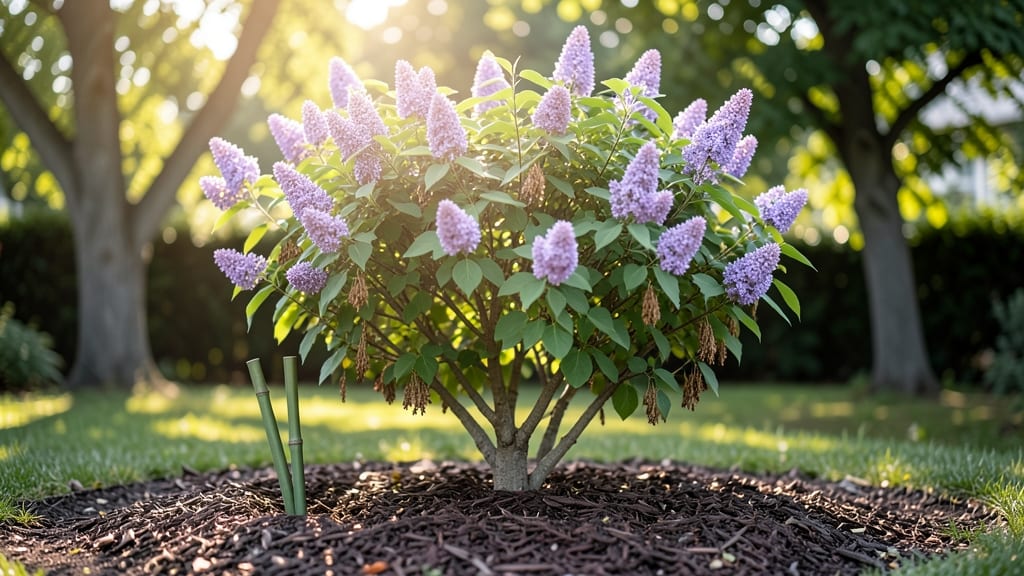
Growing lilacs in partial shade might sound tricky, but I’ve turned my shady corner into a fragrant haven—here’s how. 🌿 The secret lies in mimicking their natural woodland edge habitat, where they thrive with just morning sun and afternoon dappled light.
My lilacs now burst with purple blooms every spring, proving they don’t need full sun to shine.
Start with well-draining soil rich in organic matter—amend heavy clay with compost to prevent soggy roots. Water deeply once a week, letting the top 2 inches dry between sessions. The key is balance: too much shade stunts blooms, but too much sun scorches leaves.
My trick? Plant near a tree with sparse branches or on the north side of a fence.
Prune right after flowering to shape the plant and encourage next year’s blooms. Watch for powdery mildew in humid shade—spray with neem oil at the first sign. With the right care, your lilacs will reward you with weeks of intoxicating fragrance and lush foliage that outlasts summer.
Works in city gardens, under large trees, or along north-facing walls. The only limit is how much you love waking up to that sweet spring scent. Let’s get those roots settled!
📚 In This Guide
- What you need
- Instructions
- Tips and common mistakes
- Wrapping up and next steps
What you need
- ● Lilac plants: Choose Syringa varieties (e.g., 'Katherine Havemeyer,' 'President Grevy,' or 'Miss Kim')—3 to 5 plants for a small garden cluster.
- ● Well-draining soil: Amend clay or dense soil with 3–5 gallons of compost or peat moss per plant to improve aeration.
- ● Mulch: 2–3 inches of organic mulch (e.g., shredded bark or wood chips) to retain moisture and regulate temperature.
- ● Slow-release fertilizer: 10–15-10 NPK blend (apply ½ cup per plant in early spring).
- ● Pruning shears: Bypass pruners (sharp, 5–7 inch blades) for clean cuts.
- ● Gloves & protective clothing: Lilac thorns can be prickly—opt for gardening gloves with reinforced palms.
- ● Watering can or hose with a gentle spray nozzle: Lilacs need 1–1.5 inches of water per week (more in extreme heat).
- ● Soil pH test kit: Lilacs thrive in neutral to slightly alkaline soil (pH 6.5–7.5)—adjust with lime if needed.
- ● Epsom salt: 1 tablespoon per gallon of water (monthly spray for magnesium boost).
- ● Drip irrigation system: Automates watering for consistent moisture.
- ● Staking or support: For young or leggy lilacs, use 3–4 ft bamboo stakes tied with soft twine.
- ● Plant tags or labels: Track varieties and pruning schedules (especially if mixing lilacs with other shrubs!).
Step-by-Step guide to growing lilacs in partial shade
These fragrant beauties thrive even when full sun isn't an option—here's how to coax the best blooms.
🌱 Step 1: Choose the Right Lilac Variety for Low Light
Not all lilacs tolerate partial shade equally. Look for varieties like 'Miss Kim' or 'Bloomerang'—they handle 4-6 hours of filtered light better than traditional types. These cultivars bloom prolifically even in dappled shade, though their fragrance may be slightly less intense than sun-lovers. I always check the label for "partial shade tolerant" before buying, as some nurseries label plants differently.
Young lilacs need more light to establish strong root systems, so plant them where they'll get at least 4 hours of morning sun—afternoon shade is better than harsh midday light. The key is avoiding hot, direct afternoon rays that can scorch leaves while still getting enough light for flowering. Watch for leaves that yellow or develop brown edges—they're begging for better light conditions.
🪴 Step 2: Prepare the Planting Site with Amended Soil
Lilacs prefer well-draining, slightly acidic soil (pH 6.0-7.0). If your soil is heavy clay or overly sandy, mix in 2-3 inches of compost and 1 inch of coarse sand to improve drainage. I dig a hole twice as wide as the root ball but only as deep—planting too deep suffocates the roots. The top of the root ball should sit 1 inch above ground level to prevent rot.
For partial shade sites, I always add a 5-gallon bucket of organic matter (like leaf mold or well-rotted manure) to the bottom of the hole. This gives roots a nutrient boost in lower-light conditions. Water the hole thoroughly before planting to help roots settle into moist soil. You'll know you've done it right when the soil around the roots stays evenly damp for a week after planting.
☀️ Step 3: Position for Maximum Light Exposure
Plant lilacs near a north or east-facing wall or under light-filtering trees like birch or cherry. Avoid planting directly under dense evergreens—they compete for water and cast too much shade. I position my lilacs where they get morning sun and afternoon shade, which prevents leaf scorch while still encouraging blooms.
After planting, water deeply to settle the soil and eliminate air pockets. Mulch with 2-3 inches of wood chips, keeping it 6 inches away from the trunk to prevent rot. The mulch helps retain moisture in partial shade while protecting roots from temperature swings. You'll see new growth within 4-6 weeks—that's your signal the plant is establishing well.
💧 Step 4: Water and Fertilize for Partial Shade Success
Lilacs in partial shade need consistent moisture but hate soggy roots. Water once a week during the first growing season, aiming for 1-1.5 gallons per plant. After establishment, they're quite drought-tolerant, but you'll notice drooping leaves if they're thirsty. I always water in the early morning to reduce evaporation and fungal risks.
Fertilize lightly in early spring with a balanced 10-10-10 formula—too much nitrogen makes plants leafy but flower-sparse. I use half the recommended dose for partial shade lilacs, as they grow more slowly. Avoid fertilizing after mid-July, as new growth won't harden off before winter. You'll know your feeding is right when you see vibrant green leaves and strong stems before blooming season.
✂️ Step 5: Prune for Health and Better Blooms
Prune lilacs right after flowering (late spring) to shape the plant and encourage next year's blooms. Remove dead, diseased, or crossing branches first, then cut back old wood to make room for new growth. Never prune in fall—you'll cut off next year's flower buds. I make cuts just above a bud or lateral branch, always at a 45-degree angle to prevent water pooling.
For partial shade lilacs, I keep pruning minimal—they need all their energy for flowering. You'll see more abundant blooms the following year if you prune correctly. Avoid heavy pruning unless reviving an overgrown plant, as lilacs bloom on old wood. After pruning, water deeply to help the plant recover. Watch for new shoots at the base—these indicate healthy regrowth.
Tips & tricks for thriving lilacs in partial shade
Real talk: Growing lilacs in partial shade takes a little extra attention, but these tricks make all the difference.
Variety Matters: The 4-6 hours of filtered light mentioned in Step 1 is your sweet spot—look for 'Miss Kim' or 'Bloomerang' specifically labeled for shade tolerance. These varieties handle dappled light better than traditional lilacs, but their fragrance might be slightly milder. I've found that planting near a north-facing wall captures just enough morning sun while shielding from harsh afternoon rays that can scorch leaves. Watch for leaves turning yellow or developing brown edges—they're telling you to adjust your plant's position.
Soil Prep Secret: That 5-gallon bucket of organic matter you add to the planting hole in Step 2 is non-negotiable for partial shade success. I've seen lilacs struggle when planted in pure clay or sandy soil—this amendment gives roots the nutrients they need to establish without competing for light. After planting, keep the soil evenly damp for that first week. You'll know you're on the right track when you see fresh green growth within 4-6 weeks, just as mentioned in Step 3.
Watering Wisdom: The once-weekly watering in Step 4 might seem straightforward, but timing is everything. Early morning watering prevents fungal issues from evening moisture, and those 1-1.5 gallons per plant ensure roots get consistent hydration without becoming waterlogged. I've noticed that partial shade lilacs often show drooping leaves when thirsty—this is their way of signaling they need more water. If you see this, give them a deep drink right away and mulch with 2-3 inches of wood chips to help retain moisture.
Pruning Precision: When you prune right after flowering in Step 5, focus on removing only dead or crossing branches first. The key is to avoid cutting into old wood where next year's flower buds form. I make my cuts just above a bud or lateral branch at a 45-degree angle—this prevents water from pooling and causing rot. For partial shade lilacs, less is more: keep pruning minimal to conserve energy for blooming. After pruning, give them a good watering to help them recover.
Pro Tips for Lilac Partial Shade
- Real talk: Growing lilacs in partial shade takes a little extra attention, but these tricks make all the difference.
- Variety Matters: The 4-6 hours of filtered light mentioned in Step 1 is your sweet spot—look for 'Miss Kim' or 'Bloomerang' specifically labeled for shade tolerance.
- Soil Prep Secret: That 5-gallon bucket of organic matter you add to the planting hole in Step 2 is non-negotiable for partial shade success.
Frequently asked questions
Got questions about growing lilacs in partial shade?
You’re not alone! Here are answers to the most common concerns—so you can enjoy fragrant blooms without the guesswork.
Can lilacs grow in full shade?
While lilacs can survive in full shade, they’ll produce far fewer blooms and may grow leggy or sparse. Aim for at least 4–6 hours of dappled sunlight daily for healthy growth and fragrant flowers. If your yard is shady, choose a spot near a window or tree edge for the best results.
How long does it take for lilacs to bloom in partial shade?
Patience is key! Established lilacs (3–5 years old) typically bloom in late spring, but shade-grown plants may take 1–2 extra years to reach peak flowering. Prune lightly in early summer to encourage bushier growth and more blooms next season.
What’s the best alternative if my yard is too shady?
If partial shade is still too dim, try these fragrant, shade-tolerant swaps:
- Deutzia – White/pink blooms, thrives in shade.
- Pieris japonica – Evergreen with bell-shaped flowers.
- Daphne – Intense scent, loves filtered light.
Why are my lilac leaves yellowing in partial shade?
Yellow leaves often signal overwatering or poor drainage. Ensure your lilac’s soil is well-draining (amend with compost if needed) and water only when the top 2 inches of soil are dry. Pro tip: Mulch around the base to retain moisture without suffocating roots.
Do lilacs need winter protection in partial shade?
Lilacs are hardy (zones 3–7), but young plants or container-grown lilacs benefit from a thick mulch layer (3–4 inches) or burlap wrap in harsh winters. Partial shade helps insulate roots, but extreme cold snaps may still stress tender shoots. A light frost cloth can help if winters are brutal.
Wrapping up and next steps
Growing lilacs in partial shade proves that stunning blooms aren’t limited to full sun!
With the right soil, spacing, and care, these fragrant favorites can thrive—adding color and charm to gardens, balconies, or even containers. 🌸 Whether you’re a seasoned gardener or just starting, lilacs reward patience with their intoxicating scent and resilience.
Ready to transform your space? Start small—plant a single shrub, experiment with varieties, or mix lilacs with shade-tolerant companions like hostas or ferns. Watch your garden flourish, one fragrant bloom at a time! 🌿