
Tools
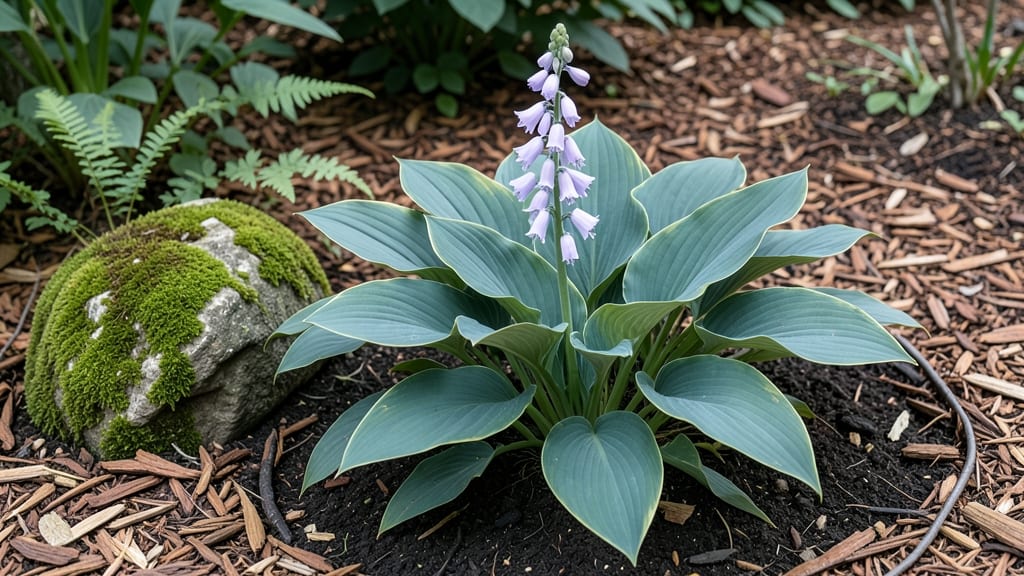
A Japanese shade garden transforms dim corners into a serene retreat where ferns unfurl like delicate lace and hostas glisten with dew. 🌿 I fell in love with this style after struggling with sun-starved patches—until I discovered how layered textures and strategic plant placement create magic even in low light.
The key lies in selecting plants that thrive in dappled shade while embracing the natural rhythm of the space.
The foundation starts with moss-covered rocks and Japanese maples whose fiery autumn leaves contrast beautifully with evergreen ground covers. Add a small water feature or bamboo wind chime for that signature Japanese ambiance, and suddenly your shade garden feels like a quiet sanctuary.
The cultural touch? Wabi-sabi imperfection—let nature guide the layout rather than forcing geometric precision.
By the end, you'll have a year-round privacy screen that's lush in summer, golden in fall, and quietly elegant in winter. The scent of damp earth and the rustle of leaves create a meditative atmosphere that's impossible to replicate with sun-loving plants. This isn't just gardening—it's crafting a living poem.
Works equally well in woodland gardens, courtyard retreats, or even under large trees. The beauty? It requires minimal maintenance once established, letting you enjoy the tranquility without the upkeep of high-sun gardens. Let's bring this peaceful vision to life—one shade-loving plant at a time.
📚 In This Guide
- What you need
- Instructions
- Tips and common mistakes
- Wrapping up and next steps
What you need
- ● Soil: Well-draining, acidic soil mix (pearlite, pine bark fines, and compost in a 1:1:1 ratio). Approx. 2–3 cubic yards for a 10’x10’ garden.
- ● Shade-tolerant plants: Fern varieties (e.g., Matteuccia struthiopteris, Dryopteris erythrosora) – 10–15 plants
- ● Hostas (e.g., Hosta lancifolia, Hosta sieboldiana) – 8–12 plants
- ● Japanese painted ferns (Athyrium niponicum var. pictum) – 5–8 plants
- ● Orchids (e.g., Phalaenopsis, Cymbidium) – 3–5 plants
- ● Mulch: Organic mulch (cedar chips or pine bark) – 2–3 bags (1 cubic foot each).
- ○ Water feature (optional): Small bamboo fountain or shallow stone dish – 1 unit.
- ● Decorative stones: Flat river rocks or moss-covered stones – 10–15 lbs.
- ● Garden trowel
- ● Pruners (bypass pruners for clean cuts)
- ● Rake (for leveling soil)
- ● Wheelbarrow (for transporting soil/mulch)
- ● Garden hose with adjustable nozzle (for gentle watering)
- ● Measuring tape and stakes (for layout)
- ○ Optional: Karesansui (Japanese dry garden) rake for sand/gravel patterns.
- ● 🌳 Shade source: Mature trees (e.g., maple, dogwood) or a pergola providing 60–80% shade.
- ● 💧 Water access: Nearby spigot or drip irrigation system.
- ● 📏 Space: Minimum 8’x8’ area (expandable for larger designs).
- ● 🌱 Patience: Shade gardens mature slowly—plan for 1–2 years of layered planting.
Step-by-Step instructions for designing your Japanese shade garden
Transform your shady corner into a tranquil escape with these intentional planting and design techniques.
🌿 Step 1: Select the Perfect Shade-Tolerant Plant Palette
Japanese shade gardens thrive with a mix of hostas, ferns, astilbes, and hellebores—all of which handle low light beautifully. I always start by choosing 3-5 focal plants (like variegated hostas or Japanese painted ferns) to anchor the design, then fill gaps with ground covers such as ajuga or sweet woodruff to create seamless texture. The key is layering: taller plants toward the back, mid-height in the middle, and trailing varieties like creeping phlox along edges.
For year-round interest, include evergreen options like Japanese sedge or inkberry holly alongside deciduous perennials. I like to sketch a rough layout first, grouping plants by foliage color (silver, deep green, burgundy) to ensure visual harmony. Avoid overcrowding—18-24 inches apart gives roots room to breathe while maintaining that lush, intentional look.
🪴 Step 2: Prepare the Soil for Moisture Retention
Japanese gardens prioritize rich, well-draining soil that holds moisture without becoming soggy. Amend your native soil with 3-4 inches of compost and a 1-inch layer of organic mulch (like cedar chips) to suppress weeds and retain humidity. I always test soil pH—most shade-loving plants prefer slightly acidic to neutral (6.0-7.0)—and adjust with pelletized sulfur if needed.
For containers or raised beds, use a 50/50 mix of potting soil and perlite to improve aeration. Water deeply after planting to settle the soil and eliminate air pockets. The goal is even moisture—never let the root zone dry out completely, but avoid waterlogged conditions that invite fungal diseases like root rot. A drip irrigation system set to 2-3 times weekly keeps things consistent without overhead splashing.
☀️ Step 3: Create Natural Light and Texture Layers
Even in shade, light plays a role—focus on dappled sunlight by placing taller plants (like Japanese forest grass) near the garden’s edges to filter light gently. I weave in bamboo or wicker screens for subtle privacy without blocking airflow. Add pebbles or moss in shaded corners to enhance the Japanese aesthetic while improving drainage.
Texture is everything: pair bold-leafed hostas with delicate ferns and spiky astilbes for contrast. I like to incorporate one or two ornamental grasses (like Hakonechloa) for movement, even in low light. Avoid symmetry—Japanese gardens embrace asymmetrical balance, so let plants grow naturally rather than pruning rigidly. Mulch with shredded bark in earthy tones to tie the design together.
⏰ Step 4: Maintain with Mindful Pruning and Seasonal Care
Prune dead or yellowed foliage in early spring to encourage fresh growth, but avoid heavy cutting—most shade plants appreciate minimal intervention. I deadhead spent blooms (like on astilbes) to redirect energy into foliage, but leave seed heads on grasses for winter interest. Fertilize lightly in early spring with a balanced 10-10-10—too much nitrogen leads to weak stems.
In winter, protect tender perennials with a 2-inch layer of mulch to insulate roots. Watch for slugs and snails—they adore hostas! I set out beer traps (shallow dishes of beer) near the garden edges to deter them naturally. Water sparingly in winter unless temperatures drop below 20°F, when roots need extra moisture to prevent desiccation.
🌱 Step 5: Add Finishing Touches for Serenity
Complete the garden with a single stone lantern or moss-covered boulder as a focal point. I place a small wooden bench or stepping stones along a winding path to invite quiet reflection. Avoid bright colors—stick to soft greens, whites, and muted purples for a calming palette. Add a trickling water feature (even a tiny bamboo fountain) to amplify the peaceful ambiance.
Finally, step back and observe. Japanese gardens evolve over time—let some plants self-seed or spread naturally. The magic happens when the garden feels effortlessly alive, not meticulously manicured. I promise, once you see the first hosta leaves unfurling in spring or the ferns rustling in a breeze, you’ll understand why this style feels like a retreat.
Tips & tricks for perfect Japanese shade garden design
Creating a harmonious Japanese shade garden takes thoughtful planning—these insights will elevate your design beyond basic planting.
Plant Placement Strategy: In Step 1, when selecting your 3-5 focal plants, consider their mature height and spread. I always place the tallest varieties (like Japanese painted ferns) toward the back of the garden, while mid-height hostas and trailing creeping phlox go toward the front. This creates natural depth without requiring formal pruning. For example, a 3-foot tall fern placed 24 inches from the back edge will cascade beautifully over time, while a 12-inch hosta in the front adds immediate visual interest.
Soil Science for Shade: The soil preparation in Step 2 is where many gardens fail. I recommend testing your soil's moisture retention capacity before amending—simply dig a small hole, fill it with water, and check how quickly it drains. If water pools after 10 minutes, your soil is too dense and needs more perlite. For containers, I've found that adding a 1-inch layer of coarse sand to the bottom (before the 50/50 soil mix) prevents compaction and improves drainage. This subtle adjustment makes all the difference for shade-loving plants.
Seasonal Layering: When creating texture layers in Step 3, think about seasonal interest. Pair evergreen Japanese sedge with deciduous hellebores so you have year-round foliage. I also recommend adding one ornamental grass (like Hakonechloa) for winter structure—its arching form provides visual movement even when other plants are dormant. The key is to create contrast: bold leaves next to delicate ferns, spiky astilbes beside soft ajuga. This creates visual harmony while maintaining the garden's natural evolution.
Winter Protection: The 20°F temperature threshold mentioned in Step 4 is critical for tender perennials. I've learned the hard way that simply adding mulch isn't always enough—especially for newly planted hostas. For the first winter, I wrap young plants in burlap or use frost blankets on particularly cold nights. This extra protection gives their root systems time to establish before facing harsh conditions. The investment pays off with more vigorous growth in subsequent seasons.
Pro Tips for Japanese Shade Garden
- Creating a harmonious Japanese shade garden takes thoughtful planning—these insights will elevate your design beyond basic planting.
- Plant Placement Strategy: In Step 1, when selecting your 3-5 focal plants, consider their mature height and spread.
- Soil Science for Shade: The soil preparation in Step 2 is where many gardens fail.
Frequently asked questions
Got questions about creating or maintaining a Japanese shade garden?
Here are some of the most common ones—plus simple answers to help you craft your tranquil retreat with confidence.
What plants thrive best in a Japanese shade garden?
A Japanese shade garden typically features hostas, ferns, heucheras, astilbes, and Japanese maples for lush, low-light-friendly foliage. Mosses like climacium dendroides add texture, while pieris japonica (andromeda) offers delicate blooms. For year-round interest, pair evergreens with seasonal bloomers like bleeding heart or Japanese anemones.
How long does it take to establish a Japanese shade garden?
With proper planning, you’ll see noticeable growth in 1–2 years, but full maturity (dense canopies, layered textures) takes 3–5 years. Slow-growing plants like hostas and ferns build gradually, while faster growers (e.g., astilbe) fill gaps quicker. Patience pays off—think of it as cultivating a living painting!
Do Japanese shade gardens need frequent watering?
Newly planted gardens require weekly watering (1–2 inches per week) to establish roots, but mature gardens thrive with natural rainfall once established. Use mulch (cedar or pine bark) to retain moisture and suppress weeds. Drip irrigation or soaker hoses work well for consistent hydration without overhead waste.
Can I create a Japanese shade garden in a small space?
Even a 4’x4’ area can become a mini sanctuary with tiered containers, dwarf varieties (e.g., hosta ‘Blue Mouse Ears’), and vertical elements like bamboo screens or moss-covered stones. Opt for a single focal plant (like a Japanese maple) surrounded by trailing ferns or ground covers to maximize impact.
What pests commonly affect Japanese shade gardens?
Slugs, snails, and hosta borers are the top culprits. Prevent issues with copper barriers, diatomaceous earth, or introducing beneficial nematodes. For borers, remove affected leaves promptly. Neem oil (applied at dusk) deters pests without harming pollinators. Regularly inspect foliage to catch problems early!
Will a Japanese shade garden work in my climate?
Japanese shade gardens adapt well to USDA Zones 5–9, but adjustments are key:
- Cooler climates (Zones 4–5): Choose cold-hardy plants like heucheras or Japanese forest grass.
- Hot/humid areas (Zones 8–9): Prioritize shade-tolerant natives (e.g., inkberry holly) and ensure afternoon shade.
- Dry climates: Amend soil with organic matter and use mulch to retain moisture.
Wrapping up and next steps
A Japanese shade garden isn’t just a backyard feature—it’s a sanctuary that brings tranquility, privacy, and natural beauty into your daily life. 🌿 Whether you’re drawn to the artistry of layered foliage, the soothing sounds of water, or the timeless elegance of moss and stone, this space is designed to nurture both your garden and your soul.
Start small, embrace patience, and let your vision grow—one plant, one stone, and one mindful moment at a time.
Ready to transform your space? Sketch your design, gather your tools, and take the first step today! Your future self—and your garden—will thank you.