
Vegetables
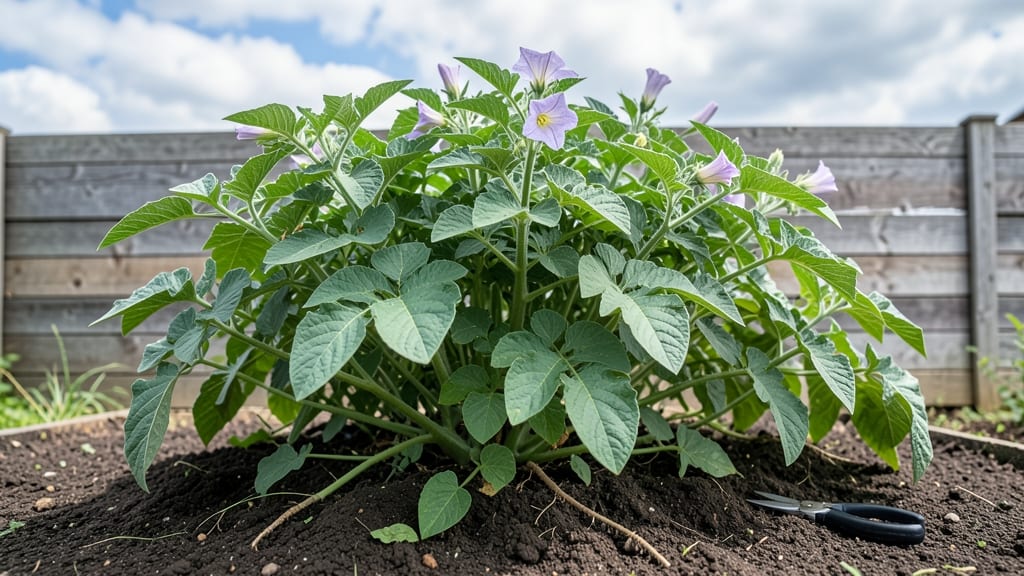
Sweet potatoes are not nightshade vegetables, despite their name—they belong to the Convolvulaceae family (morning glory family), while true nightshades like tomatoes and peppers are part of the Solanaceae family. This botanical distinction means sweet potatoes lack solanine, a compound found in nightshades.
Sweet potatoes might share a name with nightshades, but their botanical families couldn't be more different. 🌱 While nightshades produce fruits and contain solanine, sweet potatoes are root vegetables with a completely separate genetic makeup.
This explains why they're safe for those avoiding nightshades due to allergies or solanine sensitivity. The confusion likely stems from their orange hue and earthy flavor, which can resemble some nightshade vegetables when cooked.
Understanding this distinction is especially important for gardeners and those with dietary restrictions. Sweet potatoes thrive in warm climates and sandy soils, while their nightshade cousins prefer different growing conditions entirely. Their different botanical families also mean they have distinct pest vulnerabilities and companion planting strategies.
💡 In This Article
- Botanical Classification: Sweet Potatoes vs Nightshades
- Growing Sweet Potatoes: Tips for Gardeners
Botanical classification: sweet potatoes vs nightshades
The confusion between sweet potatoes and nightshades stems from their shared earthy flavors and warm colors, but their botanical families couldn't be more different. Sweet potatoes belong to the Convolvulaceae family (morning glory family), while true nightshades like tomatoes, potatoes, and peppers are part of the Solanaceae family.
This distinction isn't just academic—it affects everything from nutritional content to how they grow and interact with pests.
One key difference lies in their plant parts: sweet potatoes are roots that develop from the plant's vines, while nightshades produce fruits (like tomatoes) or tubers (like potatoes).
The solanine compound found in nightshades serves as a natural defense mechanism against pests, but sweet potatoes lack this chemical entirely. 🌱 Their skin contains beta-carotene instead, which gives them that signature orange hue and contributes to their sweet, nutty flavor when cooked.
Genetically, sweet potatoes have 60 chromosomes in their cells, while nightshades typically have 24 or 48 chromosomes. This chromosomal difference means they can't cross-breed, despite some superficial similarities in appearance.
For example, a sweet potato's flesh is dense and starchy when raw, but transforms into a creamy, almost custard-like texture when roasted at 400°F for 45-60 minutes, unlike the firmer texture of nightshade tubers.
Another critical distinction is their growth habits: sweet potatoes thrive as perennial vines in tropical climates, while nightshades are annual plants that prefer cooler temperatures. This explains why sweet potatoes are more common in regions like the southern United States, while nightshades dominate global agriculture.
The difference even extends to their storage needs—sweet potatoes prefer 60-65°F and high humidity, while nightshades like potatoes need cooler 40-50°F conditions.
For those avoiding nightshades due to allergies or sensitivities, this classification is crucial. Sweet potatoes are safe alternatives because they don't contain solanine, which can trigger reactions in some individuals.
Their nutritional profile also differs: sweet potatoes are rich in vitamin A (from beta-carotene) and fiber, while nightshades provide more vitamin C and potassium. This makes them excellent choices for specific dietary needs.
Here's a quick comparison to reinforce these differences:
- Family: Sweet potatoes - Convolvulaceae | Nightshades - Solanaceae
- Plant Part: Root (sweet potato) vs Fruit/Tuber (nightshades)
- Key Compound: Beta-carotene (sweet potato) vs Solanine (nightshades)
- Growth Type: Perennial vine (sweet potato) vs Annual plant (nightshades)
- Storage Temp: 60-65°F (sweet potato) vs 40-50°F (nightshades)