
Light Requirements
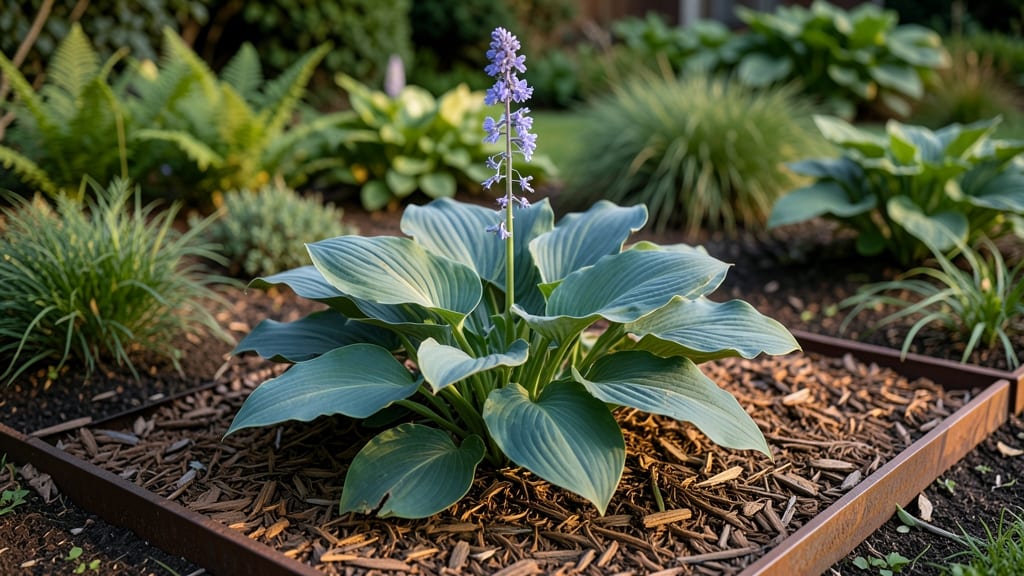
Part shade for plants means 3 to 6 hours of direct sunlight daily, supplemented by filtered or dappled light for the rest of the day. This light balance helps prevent leaf burn while promoting steady growth in shade-loving plants like ferns and hostas.
Understanding part shade isn't just about counting sunlight hours—it's about managing light intensity. 🌿 Plants in this range thrive when morning sun (cooler and less intense) dominates, while harsh afternoon rays are filtered through tree canopies or sheer curtains.
I've noticed that even a few hours of direct afternoon sun can stress plants like impatiens, causing them to wilt or develop brown patches. The key is creating a gradual light transition throughout the day, which mimics natural forest understory conditions where these plants originally evolved.
For gardeners, this means positioning plants strategically near north-facing windows or under deciduous trees that provide seasonal shade. The 3-6 hour guideline serves as a baseline, but microclimates matter too—humidity, soil moisture, and even wind exposure can influence how plants interpret light conditions.
For example, a fern might handle 4 hours of sun in a humid climate but struggle with the same exposure in dry, hot conditions.
💡 In This Article
- How Sunlight Hours Affect Plant Growth in Part Shade
- Best Plants for 3–6 Hours of Sunlight and Their Care Needs
How sunlight hours affect plant growth in part shade
Part shade creates a delicate balance where plants receive just enough sunlight to fuel photosynthesis without suffering from heat stress or UV damage. The 3-6 hour guideline comes from how plants metabolize light energy—too little stunts growth, while too much triggers oxidative stress in leaves.
During those sunlight hours, plants undergo photosynthesis at peak efficiency, producing glucose while minimizing photorespiration (a wasteful process that occurs under intense light). For example, hostas thrive with 4-5 hours of morning sun because cooler temperatures reduce water loss through transpiration.
The science gets interesting when you consider light quality. Part shade typically involves diffused light (scattered through leaves or sheer fabrics) that contains more blue and green wavelengths—ideal for chlorophyll absorption without the harsh red light of direct sun.
This explains why plants like ferns, which evolved under forest canopies, show less leaf scorch in part shade. The UV index also plays a role; afternoon sun has higher UV-B radiation, which can degrade chlorophyll faster than morning light.
That's why I recommend positioning part-shade plants where they get morning sun and afternoon shade—it's like giving them a natural sunscreen.
What happens when plants get outside the 3-6 hour range? Too little light (2 hours or less) leads to etiolation—stretched, weak stems as plants search for light, while too much (>6 hours) causes photoinhibition, where excess light damages photosystems in chloroplasts.
I've seen impatiens turn crispy after just 7 hours of afternoon sun, even though they handle morning light beautifully. The key is monitoring leaf color: healthy part-shade leaves stay medium green, while stressed leaves develop yellow (chlorosis) or brown patches.
Temperature amplifies these effects. In hot climates, even 4 hours of direct sun can be too much, while cooler regions might extend the safe window to 6 hours. This is why gardeners in Zone 8 often use 30-50% shade cloth to filter light intensity.
The cloth doesn't just reduce hours—it lowers the light intensity by up to 70%, creating a gentler environment that mimics natural part-shade conditions. Think of it like wearing a wide-brimmed hat on a sunny day: it doesn't block all light, but it prevents harmful exposure.
Another critical factor is the light-to-dark ratio. Plants need darkness to rest and process the energy they've absorbed. In part shade, this cycle is more balanced than in full sun, where plants might spend 10+ hours under intense light.
The 3-6 hour guideline assumes a 12-14 hour photoperiod (day length), but in shorter days (like winter), plants can tolerate slightly less direct light. This is why some gardeners adjust their part-shade plants seasonally, moving them to slightly sunnier spots in spring or adding extra shade in summer.
For those curious about the numbers, here's a quick breakdown of what 3-6 hours looks like in practice:
- Morning sun (6am-12pm): Ideal for most part-shade plants—cooler temps and lower UV
- Afternoon sun (12pm-6pm): Riskier; limit to 2-3 hours max for heat-sensitive species
- Dappled light: Filtered through trees provides indirect light that counts toward the total
Remember, part shade isn't just about hours—it's about creating an environment where light intensity stays within a plant's comfort zone. The 3-6 hour rule is your starting point, but the real magic happens when you pay attention to how your specific plants respond to their unique microclimate. 🌿