
Shrubs
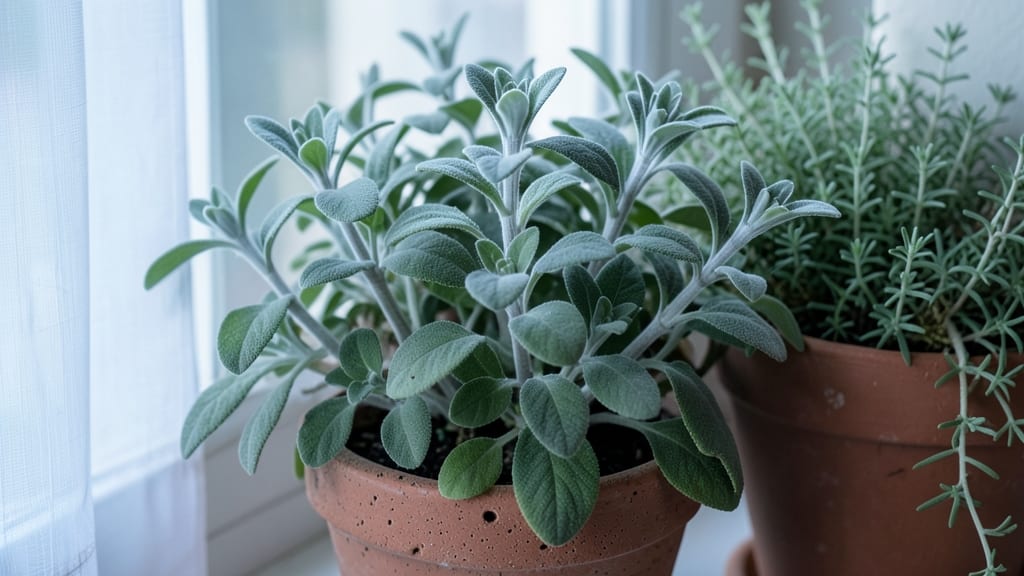
Low-light spaces don’t have to mean sacrificing fresh herbs. These 10 shade-tolerant herbs thrive in dimmer conditions, offering vibrant flavors and aromas for any kitchen garden—whether indoors or under trees.
Sweet Basil for Indoor Containers

If you’ve ever dreamed of fresh sweet basil but thought your dimly lit kitchen or office couldn’t support it, think again. This versatile herb thrives in partial shade, making it perfect for windowsills or even under fluorescent lighting—no sunburned leaves required.
Sweet basil grows rapidly, often reaching harvestable size in just 4-6 weeks, and produces continuous leaves if you pinch back the tips regularly. Use well-draining potting mix and keep the soil consistently moist (but not soggy) for optimal growth. Its adaptability means you can grow it year-round indoors, even in spaces with just a few hours of indirect light.
This makes sweet basil ideal for urban gardeners, apartment dwellers, or anyone with limited sunlight. Just place it near a window or under grow lights, and enjoy fresh leaves for pesto, salads, or teas anytime. 🌱
Cilantro Thriving in Dappled Light

If your balcony gets only fleeting sunlight, cilantro is your secret weapon—this herb thrives in dappled light where others fail, producing lush, flavorful leaves without bolting prematurely. Unlike sun-loving herbs, cilantro adapts to filtered light, making it ideal for urban gardens under tree canopies or between taller plants.
Plant seeds ½ inch deep in well-draining soil and keep them consistently moist (not soggy) for the fastest germination. Once established, cilantro grows quickly—ready for harvest in just 4-6 weeks—and its tolerance for shade means you can snip leaves frequently without stressing the plant. For extra resilience, choose slow-bolting varieties like 'Calypso' or 'Santo'.
This shade-friendly herb is a game-changer for balcony gardeners or anyone with limited sunlight, offering fresh flavor year-round with minimal effort. 🌱
Mint Growing in North-Facing Windows

If your north-facing window feels like a forgotten corner for gardening, mint is your secret weapon. This hardy herb thrives in deep shade where others struggle, making it perfect for windows that barely get sunlight. Its aggressive growth habit means it’ll fill containers quickly, but that’s exactly why it needs containment!
Plant mint in a 12-inch or larger pot with drainage holes to keep its roots from escaping—it spreads via underground runners. Water when the top inch of soil feels dry, and pinch back stems regularly to encourage bushier growth. For flavor, harvest leaves in the morning when oils are strongest. Avoid planting it in garden beds unless you want a takeover!
Urban gardeners and apartment dwellers will love mint’s low-maintenance nature—it’s the ultimate shade-friendly herb for fresh tea, cocktails, or pest-repelling sprays. Just keep it potted to save your garden from becoming a mint jungle. 🌱
Parsley Surviving Under Tree Canopies

If your garden has tree canopies that block sunlight, don’t skip parsley—it’s one of the most shade-tolerant herbs you can grow. Unlike sun-loving herbs, parsley thrives in partial shade, making it perfect for understory planting where other herbs would struggle.
This biennial herb grows slowly but steadily, producing flat-leaf or curly varieties that stay fresh for months. Plant it in well-draining soil with morning sun and afternoon shade for best results, and harvest leaves as needed without waiting for rapid growth. It’s ideal for gardeners who want a low-maintenance, flavorful addition to soups and garnishes.
Perfect for beginners or urban gardeners with limited sun, parsley’s resilience ensures you’ll always have fresh herbs—even in the shadiest spots. 🌿
Chives in Low-Light Kitchen Gardens

Forget the sun-drenched herb garden—chives thrive in low-light kitchen spaces where other herbs would struggle, making them the perfect shade-lover for urban gardeners and busy cooks.
These delicate, grass-like plants tolerate partial to full shade and regrow quickly after harvesting, ensuring a steady supply of mild onion-flavored greens for garnishes or salads. Plant them in well-draining soil with morning sun or artificial light (like a sunny windowsill) for best results, and fertilize lightly every 4-6 weeks to encourage lush growth.
Ideal for small pots or window boxes, chives are a low-maintenance choice that rewards patience with year-round harvests—no greenhouse required! 🌱
Dill Growing in Partial Shade

Want fresh dill for pickles or soups without fighting for sun? This feathery herb handles partial shade better than most, making it perfect for early spring or late fall planting when temperatures are cooler.
Sow seeds directly in well-draining soil where they’ll receive 4-6 hours of filtered light daily. Unlike sun-loving herbs, dill won’t bolt prematurely in shade, giving you 30-60 days of reliable harvests. For extra flavor, pinch back flowers to encourage leafy growth—ideal for container gardens or under tree canopies.
This hardy herb is a game-changer for gardeners with limited sun, offering bold flavor without the fuss. 🌿
Lemon Balm for Shady Patio Pots

Looking for a shade-loving herb that doubles as a natural pest repellent? Lemon balm is your answer—this hardy perennial thrives in partial to full shade, making it perfect for patio pots where sunlight is limited.
With its bright green, lemon-scented leaves, lemon balm deters mosquitoes, aphids, and even deer while attracting pollinators. Plant it in well-draining containers with moist, fertile soil and enjoy its year-round fragrance—even in cooler climates. Prune regularly to encourage bushier growth, and watch it spread effortlessly without taking over your garden.
Urban gardeners and beginners will love how low-maintenance this herb is—just keep it watered and watch it flourish in spots where other plants struggle. 🌿
Thyme in Deep Shade Containers

If you’ve ever struggled to grow thyme in bright, sunny spots, you’ll love this shade-friendly twist. Unlike its sun-loving cousins, thyme thrives in deep shade containers, making it perfect for north-facing patios, under dense tree canopies, or even indoor herb gardens with minimal light.
This drought-resistant herb grows slowly but steadily, requiring only well-draining soil and occasional watering—once every 2-3 weeks once established. Its woody stems and tiny aromatic leaves add earthy depth to soups, stews, and roasted dishes year-round. For best results, choose lemon thyme or common thyme varieties, which handle shade better than others.
Urban gardeners and apartment dwellers will appreciate how low-maintenance thyme is—it’s ideal for small pots and doesn’t demand frequent pruning. Just pinch back leggy stems occasionally to encourage bushier growth. 💚
Oregano Under Overhanging Branches

Struggling to grow oregano in your shady garden? This hardy herb thrives under overhanging branches, making it perfect for spots where other plants struggle. Unlike sun-loving Mediterranean herbs, oregano adapts beautifully to partial shade, spreading slowly but steadily to create a fragrant ground cover.
Plant it in well-draining soil and water moderately—overwatering is the only real threat. For a low-maintenance solution, try it in hanging baskets where its trailing stems can cascade beautifully. The leaves develop deeper flavor when grown in cooler, shadier conditions, perfect for Italian dishes and marinades.
Urban gardeners and those with limited sunlight will love how oregano fills gaps without demanding attention. Just snip what you need, and it keeps growing—no fuss, no failure. 🌱
Sage in Indoor Shade Gardens

If you’ve ever assumed sage needs bright sunlight to thrive, think again—this hardy herb actually prefers cooler, shadier conditions, making it perfect for indoor shade gardens near north-facing windows. Unlike sun-loving herbs, sage adapts beautifully to low-light spaces, producing fragrant, velvety leaves ideal for stuffing, seasoning, or herbal teas.
Plant sage in a well-draining pot with a mix of potting soil and perlite to prevent root rot, and place it where it gets bright, indirect light (like a north-facing window). Water only when the top inch of soil feels dry—overwatering is the biggest threat to its health. Prune leggy stems in spring to encourage bushier growth, and harvest leaves as needed for a steady supply of flavorful greens.
This makes sage ideal for urban gardeners, apartment dwellers, or anyone with limited sunlight—it’s a low-maintenance, high-reward herb that keeps giving year after year. 💚