
Orchid Care
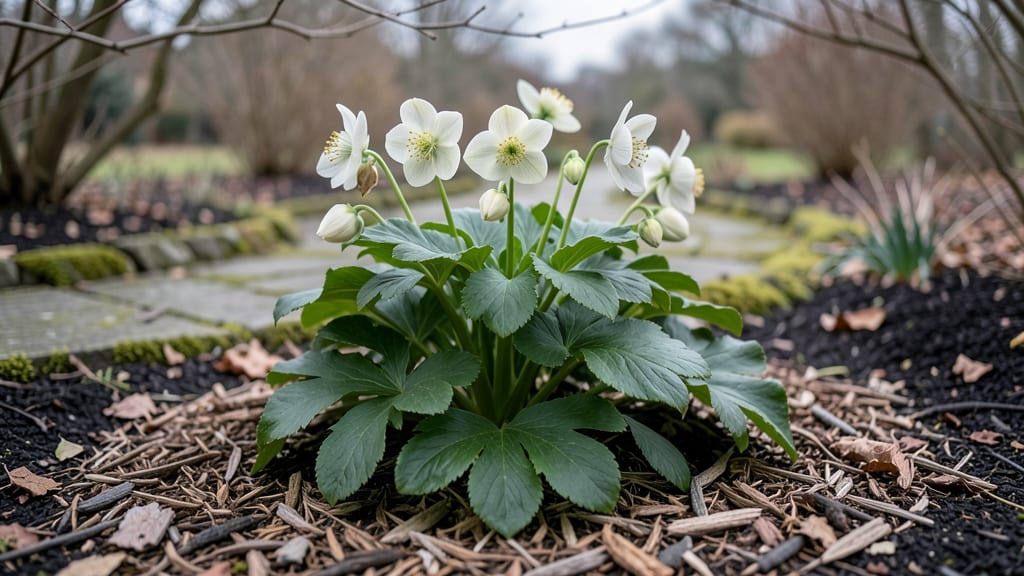
The helleborus thrives in sun or shade with just the right balance—too much light scorches its delicate blooms, while too little starves its roots of energy.
If you’ve ever struggled to coax vibrant blooms from your helleborus—or wondered why some thrive while others barely survive—light exposure might be the missing puzzle piece.
These hardy perennials, often called 'Lenten roses,' defy traditional gardening rules by blooming in winter and spring, but their sun or shade needs can make or break their performance.
Here’s the secret: helleborus 🌸 actually prefers partial shade—think dappled sunlight under trees or a north-facing window—where it gets just enough light to fuel blooms without overheating. But regional microclimates change the game, and some varieties handle full sun better than others.
In this guide, I’ll break down the exact light conditions that trigger earlier, bigger blooms, plus how to adjust care based on your garden’s shade or sun exposure. No more guessing—just science-backed tips to keep your helleborus looking its best year-round.
 Best Window Placement
Helleborus sun vs shade requirements: how light affects bloom timing
Helleborus plants, or Lenten roses, are famous for their early-season blooms, but their light needs often confuse gardeners. While they thrive in partial shade, too much sun or deep shade can drastically alter their blooming patterns and foliage health.
Understanding how light impacts their growth helps you create the perfect conditions for winter and spring color.
In full sun, helleborus may produce fewer blooms but develop more robust foliage, while deep shade can delay blooming until late spring. The key lies in balancing light exposure to match your specific helleborus varieties and climate. Let’s break down how different light conditions affect these winter-hardy beauties.
| Light Condition | Bloom Timing | Foliage Health | Photosynthesis Efficiency | Stress Response |
|---|---|---|---|---|
| Full Sun (6+ hours) | Late winter to early spring (delayed) | Thicker, darker leaves | High (but risk of leaf scorch) | Heat stress, leaf burn |
| Partial Shade (3-6 hours) | Winter to early spring (optimal) | Healthy, glossy foliage | Balanced (ideal for growth) | Minimal stress |
| Deep Shade (<3 hours) | Late spring (delayed) | Pale, sparse leaves | Low (limited energy) | Leggy growth, weak stems |
When helleborus receive 3-6 hours of morning sun with afternoon shade, they produce the most vibrant blooms and maintain lush foliage. This light balance mimics their natural woodland habitat, where dappled sunlight filters through tree canopies.
In contrast, full sun exposure can cause leaf scorch, especially in hot climates, while deep shade may lead to leggy growth and fewer flowers.
Scientifically, helleborus have adapted to low-light conditions through efficient photosynthesis in their broad, leathery leaves. However, even shade-loving varieties benefit from some direct light to trigger blooming hormones. Without sufficient light, their floral buds may fail to develop, resulting in sparse or delayed blooms.
For example, Helleborus niger (Christmas rose) often blooms earlier in partial shade, while Helleborus orientalis varieties may need more light to produce abundant flowers.
Regional climate plays a critical role in helleborus light needs. In cooler northern climates, they tolerate more sun, while hot southern gardens require afternoon shade to prevent wilting.
If you live in a USDA Zone 7 or higher, prioritize morning sun and afternoon shade to protect your plants from intense heat. Conversely, gardeners in Zone 5 or colder can often place helleborus in slightly sunnier spots without risking stress.
Another key factor is soil moisture. Helleborus in full sun require consistent watering to prevent drought stress, while those in shade may need less frequent watering but still benefit from well-draining soil.
Amending your soil with organic matter like compost helps retain moisture while improving root health, regardless of light exposure. Mulching with wood chips or straw also protects roots from temperature fluctuations, which is especially important in deep shade where soil stays cooler.
If your garden lacks ideal light conditions, consider reflective surfaces like light-colored gravel or mirrors to bounce extra light onto shaded helleborus. Alternatively, grow sun-tolerant varieties like 'Royal Heritage' in brighter spots, while placing shade-loving types like 'Midwinter Beauty' under trees.
This strategic planting ensures year-round interest, even if your space has mixed light.
Monitor your helleborus throughout the growing season to adjust their light exposure as needed. If you notice yellowing leaves or fewer blooms, they may need more light. Conversely, browned leaf edges or wilting indicate too much sun.
With the right balance, your helleborus will reward you with early-season color and low-maintenance beauty for years to come.
For gardeners in containers, choose pots with light-colored interiors to reflect extra light onto roots, and place them where they receive filtered sunlight. Avoid placing helleborus in east-facing windows, which can expose them to harsh morning sun.
Instead, opt for north or west-facing spots that provide gentle, indirect light.
Remember, helleborus are perennials, so their light needs may evolve over time. Young plants often tolerate more shade, while mature specimens benefit from gradual increases in light. By observing their growth patterns and adjusting their placement, you’ll unlock the secret to prolonged blooming and healthy foliage—no matter
Best helleborus varieties for sun vs shade gardens: matching plants to light
Choosing the right helleborus variety for your garden’s light conditions can transform your winter and spring displays. Some cultivars thrive in sun, while others flourish in shade. The key is matching your microclimate to the plant’s native preferences—whether it’s dappled woodland light or bright afternoon sun.
For sun-loving helleborus, look for varieties with thicker foliage and darker blooms, as these handle more light better. Shade-tolerant types often have lighter foliage and delicate blooms, designed to capture minimal light in woodland settings.
Below, I’ve curated the best options for both scenarios, including their bloom colors, hardiness zones, and ideal light ranges.
| Variety | Light Needs | Bloom Color | Hardiness Zones | Height |
|---|---|---|---|---|
| Helleborus 'Royal Heritage' | Full sun to partial shade | Deep purple | 4-9 | 18-24" |
| Helleborus 'Pink Frost' | Partial shade | Soft pink | 5-8 | 12-18" |
| Helleborus niger 'Midwinter Beauty' | Deep shade | Pure white | 3-9 | 12-15" |
| Helleborus 'HGC Double Pink' | Partial shade | Double pink | 4-8 | 15-18" |
| Helleborus 'Greenland' (Sun) | Full sun | Greenish-yellow | 4-8 | 12-16" |
If your garden receives morning sun with afternoon shade, Helleborus 'Royal Heritage' is a standout choice. Its deep purple blooms thrive in 3-6 hours of sun daily, making it perfect for east-facing beds.
For deep shade gardens, Helleborus niger 'Midwinter Beauty' is unmatched—its white winter blooms brighten dark corners where other plants struggle.
Pro tip: Test your light levels before planting. Use a light meter or observe how your garden changes throughout the day. Dappled shade (like under deciduous trees) works well for Helleborus 'Pink Frost', while full shade (north-facing walls or dense woodland) suits Helleborus niger varieties best.
Don’t overlook microclimates in your yard—what looks like full sun might actually be partial shade due to nearby structures or foliage. Adjust plant spacing to allow airflow, which helps prevent fungal issues in humid shade conditions.
With the right variety, your helleborus will reward you with months of color when most gardens are dormant.
🌸