
Shrubs
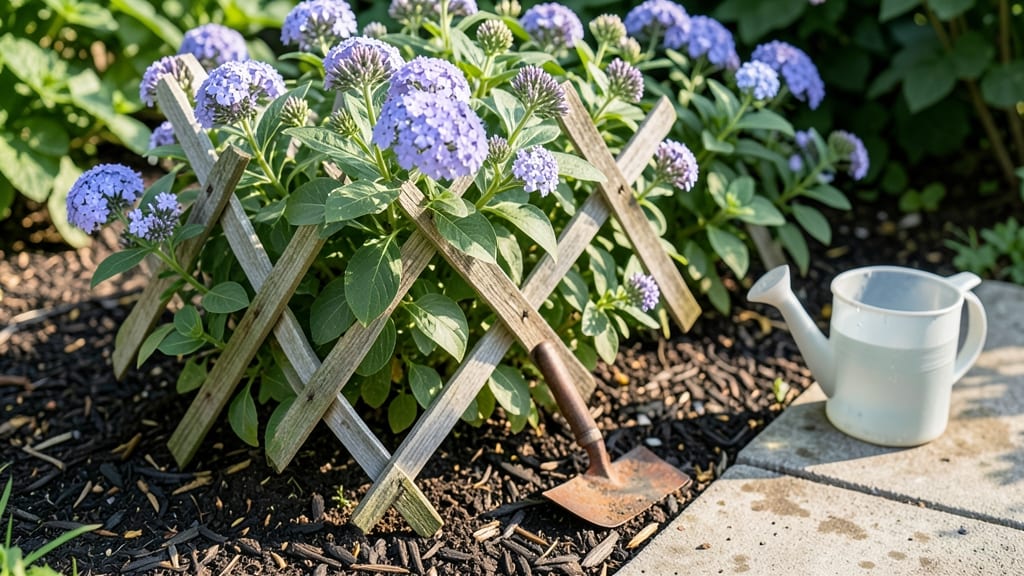
Heliotrope thrives in sun or shade with the right balance—6+ hours of sunlight for peak blooms and fragrance, but partial shade protects delicate leaves from scorching.
Struggling to coax vibrant blooms and intoxicating fragrance from your heliotrope 🌸? The secret lies in mastering their light requirements—too much sun scorches them, while too little shade dulls their charm. This guide reveals how to strike the perfect balance for lush, fragrant heliotropes that thrive year after year.
Most gardeners assume heliotropes need full sun, but they actually tolerate partial shade better than many realize. The key is avoiding harsh afternoon rays while ensuring enough morning light to fuel their growth.
Below, I’ll break down the ideal light conditions, how to spot when your plant is struggling, and which varieties handle shade best.
You’ll also discover actionable fixes for common light-related issues—like yellowing leaves or sparse blooms—and learn how to adjust care based on your climate. By the end, your heliotropes will be bursting with fragrant, long-lasting flowers all season long.
 Best Window Placement
Heliotrope sunlight needs: ideal exposure for maximum blooms & fragrance
Heliotropes are famous for their vanilla-scented blooms, but their light needs often confuse gardeners. These plants thrive in bright, filtered light, making them perfect for partial shade gardens or spots with morning sun and afternoon shade.
Understanding their sunlight preferences is key to unlocking those fragrant, purple flowers you adore.
Unlike sun-loving plants, heliotropes can scorch in intense afternoon sun, especially in hot climates. Their native habitats—woodland edges and coastal areas—taught them to avoid harsh midday rays. This means your heliotrope will reward you with healthier foliage and more blooms when you mimic these natural conditions.
Here’s how to balance their sunlight needs for peak performance, whether you’re in a hot desert climate or a cool mountain garden. The right exposure transforms a struggling plant into a fragrant, blooming beauty.
For cooler climates (Zones 5-7), heliotropes can handle morning sun with afternoon shade. In these areas, they’ll bloom prolifically and develop that signature vanilla scent. Place them near east-facing windows or under light dappling from trees to protect them from the harshest rays.
In hotter regions (Zones 8-10), afternoon shade is non-negotiable. Use 30-50% shade cloth or position your heliotrope underneath a patio umbrella during peak sun hours (11 AM–3 PM). This prevents leaf burn and wilting, keeping your plant lush and fragrant.
Seasonal adjustments are crucial too. In spring and fall, heliotropes can tolerate more direct sunlight as temperatures moderate. But during summer’s peak heat, even partial shade becomes essential. Rotate potted heliotropes weekly to ensure even light exposure on all sides.
Container gardeners have an advantage—they can move plants as needed. If your heliotrope starts leaning toward light or developing yellow leaves, it’s time to adjust its spot. A south-facing patio with afternoon shade is often the sweet spot for potted varieties.
Mulching around your heliotrope’s base with organic matter (like compost or straw) helps regulate soil temperature, reducing stress from fluctuating light and heat. This simple step mimics their natural woodland environment, encouraging stronger roots and more blooms.
Remember, heliotropes follow the sun—literally! Their flowers track sunlight throughout the day, a trait called heliotropism. This behavior peaks in full sun conditions, making them a fascinating addition to your garden. But don’t let their sun-tracking fool you—they still need protection from intense afternoon rays.
By mastering these light balance tips, your heliotrope will reward you with vibrant blooms and intoxicating fragrance all season long. Start experimenting with different spots in your garden, and watch your plant thrive! 🌸☀️🌿
Signs your heliotrope is getting too much sun or shade (and how to fix it)
Your heliotrope plants may be silently screaming for help if their light exposure is off. Too much direct sunlight causes crispy edges and faded blooms, while excessive shade leads to weak stems and sparse flowers.
The key is finding that sweet spot where your plants get morning sun and afternoon shade—about 4-6 hours of sunlight daily. Let's diagnose the symptoms and fix them before your heliotropes lose their charm.
Start by checking your plants for yellowing leaves, which often signal overwatering or sunburn. If the yellow appears on the edges and feels crispy to the touch, your heliotrope is getting too much sun.
On the other hand, if the yellowing is uniform and the leaves feel soft, it might be root stress from too little light. Both issues need immediate attention to save your fragrant blooms.
⚠️ callout warning
- Sunburned leaves: Crispy, brown edges → Move to partial shade with afternoon protection.
- Leggy stems: Tall, weak growth → Relocate to brighter light (but avoid harsh afternoon sun).
- Fewer blooms: Sparse flowers → Ensure 6+ hours of light daily, but avoid direct midday sun.
Pro Tip: Use light-colored shade cloth (30-50%) to filter harsh rays while maintaining brightness.
If your heliotrope's stems are stretching toward the light, it's a clear sign of insufficient sunlight. These leggy plants become top-heavy and prone to falling over. To fix this, gradually introduce more light over 1-2 weeks to avoid shocking the plant.
A south-facing window or a spot near a bright indoor grow light (12+ hours/day) can work wonders for indoor heliotropes.
Another red flag is leaf scorch, where the edges turn brown and brittle. This happens when afternoon sun is too intense, especially in hot climates. To prevent this, plant your heliotropes near tall plants (like sunflowers or corn) or use a lightweight shade cloth during peak hours.
Mulching with straw or bark also helps retain moisture and protect roots from heat stress.
For container-grown heliotropes, rotate the pots every 2-3 days to ensure even light exposure. This prevents one side from getting too much sun while the other stays in the shade.
If you notice pale green leaves or small, sparse blooms, your plant might be getting too little light. In this case, move it to a sunnier spot or supplement with a grow light for 4-6 hours daily.
Prevent future issues by monitoring light conditions throughout the day. Use a light meter (or your phone's lux app) to track exposure—ideal levels for heliotropes are between 10,000-20,000 lux. In hot climates, provide afternoon shade, while in cooler regions, maximize morning sun.
With the right balance, your heliotropes will reward you with vibrant blooms and that signature vanilla-like fragrance all season long. 🌸