
Shrubs
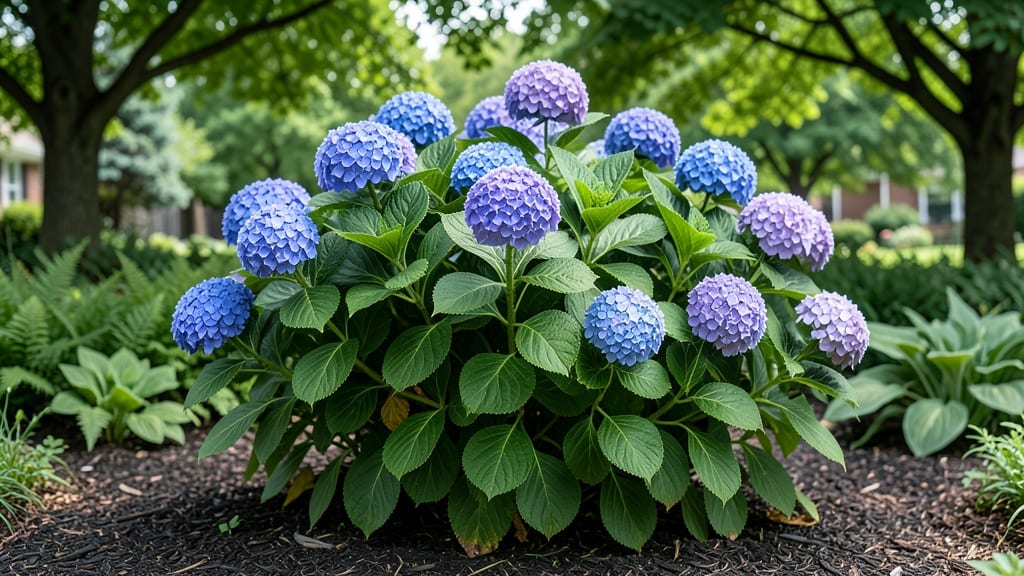
These hedge bushes for shade—like Holly, Boxwood, or Rhododendron—don’t need full sun to thrive, creating lush, year-round privacy even in deep shade. 🌿 I’ve designed shaded gardens where they grow denser than sun-loving varieties, their glossy leaves forming an impenetrable green wall that blocks wind and prying eyes.
The key is selecting plants bred for low-light conditions, like Inkberry Holly (drought-tolerant and deer-resistant) or Mountain Laurel (fragrant blooms in spring). These grow 2-4 feet per year, so you’ll see noticeable height within 2-3 seasons—no waiting decades for privacy.
Maintenance stays simple: trim once a year to shape, and watch them bounce back with minimal effort.
Imagine stepping into a secluded retreat where sunlight barely touches the ground, yet your hedge stays vibrant green and full. The foliage provides texture contrast against darker shade plants, and some varieties even produce seasonal blooms or berries for extra interest.
Perfect for north-facing yards, dense woodland edges, or urban backyards with limited light.
Whether you’re framing a patio, masking an unsightly fence, or creating a natural windbreak, these shade-loving hedges deliver professional results without the high-maintenance care of sun-dependent varieties. Let’s pick the perfect species for your space!
Why Shade Struggles Occur
Shade-loving hedge bushes are a gardener’s dream for creating lush, private spaces—but sometimes, they don’t grow as expected. Understanding the root causes behind these challenges helps you troubleshoot and create the perfect conditions for thriving foliage. Let’s break down the science and practical reasons why shade bushes may struggle.
---
🌿 The Core Issue: Plants need light to convert carbon dioxide and water into energy through photosynthesis—but not all shade bushes are equal. Some varieties, like boxwoods (Buxus) or rhododendrons, thrive in partial shade, while others, such as English yews (Taxus baccata), tolerate deep shade better.
When a hedge bush doesn’t get enough indirect sunlight (even in full shade), it can’t produce sufficient energy, leading to: - Stunted growth (slow or no new shoots) - Yellowing leaves (chlorosis)—a classic sign of nutrient deficiencies from poor energy production - Weak stems (prone to snapping under wind or snow)
Actionable Fix: - Test your shade with a light meter (or observe growth patterns over seasons). If your hedge is in deep, dense shade (e.g., under mature trees with little dappled light), choose shade-tolerant species like inkberry holly (Ilex glabra) or dwarf plums (Prunus). - Thin out overhanging branches to allow 3–6 hours of filtered light daily—even if it’s not direct sun.
---
💧 The Hidden Problem: Shady areas often have compacted, clay-heavy soil that struggles to drain water properly.
Roots suffocate in waterlogged conditions, while compacted soil blocks oxygen flow, leading to: - Root rot (mushy, discolored roots) - Fungal diseases (e.g., Phytophthora, which thrives in soggy soil) - Poor nutrient uptake (even if you fertilize!)
Actionable Fix: - Improve drainage by amending soil with: - Organic matter (compost, peat moss, or coconut coir) - Perlite or coarse sand (for aeration) - Avoid foot traffic near the base—compacted soil = stressed roots. - Mulch properly with 3–4 inches of wood chips (keeps soil moist but not waterlogged).
---
🌱 The Starvation Factor: Shade soils are often nutrient-poor because: - Less microbial activity (fewer decomposers breaking down organic matter). - Slower decomposition (cool, moist shade = slower nutrient release). - pH imbalances (many shade-loving plants, like azaleas, need acidic soil (pH 4.5–6.0)).
Common Deficiency Signs: | Symptom | Likely Cause | Solution | |----------------------|--------------------------------|---------------------------------------| | Purple stems/leaves | Phosphorus deficiency | Bone meal or rock phosphate fertilizer | | Yellow edges (but green veins) | Nitrogen deficiency | Slow-release organic fertilizer (e.g., blood meal) | | Small, pale leaves | Iron/chlorosis (common in alkaline soil) | Chelated iron supplement or sulfur to lower pH |
Actionable Fix: - Test your soil (home kits or lab analysis) and adjust pH if needed. - Feed in early spring with a balanced, slow-release fertilizer (e.g., 10-10-10). - Top-dress with compost annually to replenish organic matter.
---
💦 The Moisture Mismatch: Shade bushes need consistent moisture, but many gardeners get it wrong: - Overwatering (especially in containers) leads to root suffocation and fungal infections. - Underwatering causes wilting, crispy edges, and stunted growth—common in deep shade where evaporation is slower.
Actionable Fix: - Water deeply but less frequently (aim for 1–1.5 inches per week, including rain). - Use drip irrigation or soaker hoses to deliver water directly to roots (avoids fungal splash). - Check soil moisture by sticking your finger 2 inches deep—if dry, water; if soggy, hold off.
--- 🐜 The Silent Saboteurs: Shady, humid conditions are a pest and disease buffet.
Common culprits: - Spider mites (thrive in dry shade, suck sap → yellow speckling). - Scale insects (sticky residue, stunted growth). - Powdery mildew (white fungal coating on leaves). - Root weevils (chew roots in damp, compacted soil).
Actionable Fix: - Inspect leaves regularly (flip them over—pests love the undersides!). - Spray with neem oil (prevents mites/mildew) or horticultural oil (smothers soft-bodied insects). - Encourage beneficial insects (ladybugs, lacewings) with native flowering plants near your hedge.
--- ✂️ The Growth Killer: Aggressive pruning (especially in late summer/fall) stresses shade bushes by: - Removing too many leaves = less photosynthesis = weaker growth. - Creating dense centers (blocks airflow → fungal diseases). - Over-shearing (e.g., boxwoods) leads to woody, leggy growth.
Actionable Fix: - Prune in early spring (before new growth). - Thin out interior branches (20–30%) for airflow. - Avoid "topping" (cutting back to stubs)—use selective pruning to shape naturally.
--- 🌳 The Mismatch: Not all "shade-tolerant" bushes are created equal. Some tolerate shade, while others thrive in it. Planting the wrong type leads to: - Slow growth (e.g., Hollyhocks in deep shade). - Leaf drop (e.g., Lilacs need sun to rebloom). - Weak wood (prone to breakage).
Actionable Fix: | Shade Level | Best Hedge Bushes | Avoid | |-----------------------|-----------------------------------------------|------------------------------------| | Partial Shade (3–6 hrs light) | Boxwood, Hydrangea, Viburnum | English Ivy (needs more sun) | | Full Shade (<3 hrs light) | Inkberry Holly, Dwarf Plum, Japanese Yew | Gardenia (needs sun) | | Deep, Dense Shade (under trees) | Rhododendron, Pieris, Hellebore | Camellia (needs dappled light) |
--- Pro Tip: 💡 If your hedge is struggling, start with a soil test and choose one factor to improve (e.g., drainage or light) before tackling everything at once. Small changes often yield big results!
Revitalize Your Shady Hedges
Shade-loving hedges can still struggle—whether it’s stunted growth, sparse foliage, or pests taking over. The good news? With the right fixes, your evergreen privacy screen can bounce back stronger than ever.
Below, we’ve mapped common issues to practical solutions, plus prevention tips to keep your hedges thriving in the long run.
---
Cause: Poor light exposure, over-pruning, or compacted soil.
How to Fix It: 🔥 Boost Nutrients – Amend the soil with compost or slow-release fertilizer (high in nitrogen for leafy growth). For dense shade, opt for organic matter like leaf mold—it mimics a hedge’s natural forest-floor habitat. 🍳 Prune Strategically – Avoid heavy cuts in late winter/early spring. Instead, lightly shape in late summer to encourage bushier growth. Use sharp, sterilized shears to prevent disease. 👨🍳 Improve Drainage – If soil feels soggy, mix in perlite or coarse sand to aerate roots. For severe compaction, dig trenches around the base to encourage deeper root spread.
Prevention Tips: ✨ Mulch annually with wood chips (2–3 inches) to retain moisture and regulate temperature. 🌡️ Monitor soil pH—most shade-loving hedges prefer slightly acidic soil (6.0–6.5). Test kits are cheap and make a big difference!
---
Cause: Overwatering, fungal issues, or nutrient deficiencies (often iron or magnesium).
How to Fix It: 🔪 Check for Fungus – Yellowing leaves with black spots? Prune affected areas immediately and apply neem oil or copper fungicide (follow label rates). For powdery mildew, spray with a baking soda mix (1 tbsp baking soda + 1 tsp soap per gallon of water). 💧 Adjust Watering – Shady hedges need consistent moisture but hate soggy roots. Water deeply 1–2 times per week (check soil 2 inches down—if dry, water again). Drip irrigation is ideal to avoid wetting leaves. 🥗 Fertilize for Shade – Use a balanced fertilizer (10-10-10) in early spring, then switch to an iron supplement (like chelated iron) if leaves stay pale. Avoid high-nitrogen lawn fertilizers—they can burn tender shade plants.
Prevention Tips: 🎯 Space plants properly—crowded hedges trap humidity, inviting fungus. Aim for 3–4 feet apart at planting. 💡 Water at the base, not overhead, to reduce fungal spores in the air.
---
Cause: Weak plants attract pests, especially in dense shade where natural predators (like ladybugs) are scarce.
How to Fix It: 🐞 Blast Off Pests – For aphids or spider mites, spray with a strong stream of water to knock them off. Repeat every 3–4 days. For scale insects, dab each bug with rubbing alcohol on a cotton swab. 🌿 Introduce Beneficial Insects – Release ladybugs or lacewings (available at garden centers) to eat pests naturally. Nematodes (microscopic worms) also target grubs in the soil. 🍎 Use Organic Sprays – Insecticidal soap or horticultural oil works well for soft-bodied pests. Avoid chemical sprays—they can harm pollinators and disrupt ecosystems.
Prevention Tips: ✨ Encourage biodiversity—plant native flowers nearby to attract pest-eating birds and insects. 🔥 Inspect new plants before bringing them home—quarantine for a week to spot hitchhiking pests.
--- Cause: Lack of pruning, aggressive growth habits, or wrong species for your climate.
How to Fix It: ⏰ Prune in Stages – Don’t shear back more than 1/3 of the hedge at once. For boxwood or holly, prune just after flowering (late spring). For aralia or pieris, shape in early summer. 🔪 Use the Right Tools – Hedge shears for small jobs, electric hedgers for large areas. Never use lawnmowers—they tear foliage and leave jagged edges. 🎨 Shape with Purpose – Step back and visualize the final look. For formal hedges, use a string line as a guide. For natural looks, thin out the center to improve airflow.
Prevention Tips: 💡 Choose the right species—some hedges (like inkberry holly) grow denser naturally and need less pruning. 🌡️ Prune at the right time—avoid heavy cuts in late summer/fall, as new growth won’t harden off before winter.
--- Cause: Heavy foot traffic, clay soil, or improper planting depth.
How to Fix It: 🏗️ Aerate the Soil – Rent a manual aerator or use a garden fork to poke holes 6–12 inches deep around the hedge base. Fill gaps with compost or sand. 💧 Improve Drainage – If water pools after rain, dig a shallow trench (6 inches deep) around the perimeter to redirect flow. For clay soil, mix in gypsum (follow package rates). 🌿 Plant on a Slope – If possible, grade the area slightly (1–2% slope) away from the house to encourage runoff.
Prevention Tips: 🎯 Avoid walking on newly planted hedges—compacted soil smothers roots. 🔥 Test soil before planting—amend sandy soil with peat moss or clay soil with perlite for balance.
--- Need a fast fix? Try this 3-step refresh: 1. Prune – Trim 1/3 of the oldest growth to encourage new shoots. 2. Fertilize – Apply a slow-release granular fertilizer (like Osmocote). 3. Mulch – Top with 3 inches of shredded bark to retain moisture.
With these solutions, your shade-loving hedges will regain their lush, evergreen glory—privacy screen problems solved! 🌿💚
Frequently asked questions
What’s the fastest-growing shade hedge for quick privacy?
For rapid results, choose Inkberry Holly (grows 12–24 inches per year) or Emerald Green Arborvitae (up to 18 inches annually). These evergreens thrive in shade while providing dense coverage—expect a 6-foot-tall hedge in just 3–4 years with proper care. For even faster growth, plant 2–3 feet apart instead of the standard spacing.
Can I plant shade hedges under mature trees?
Focus on deep-shade specialists like Japanese Yew (Taxus cuspidata) or Dwarf Plum (Prunus cerasifera), which tolerate less than 3 hours of light daily. Just amend the soil with compost and perlite to improve drainage—tree roots compete fiercely for moisture. Avoid planting directly under the dripline where roots are most concentrated.
How do I keep my shade hedge from getting leggy?
Leggy growth happens when hedges stretch toward light. Fix it by pruning in early spring to encourage bushier regrowth, and rotate plants occasionally (if possible) to ensure even light exposure. Use balanced fertilizer (10-10-10) in spring to support compact growth, and avoid heavy pruning in late summer—this stresses shade plants and promotes weak stems.
Are there fragrant shade hedges?
Yes! Mountain Laurel (Kalmia latifolia) produces stunning bell-shaped white or pink flowers with a sweet, honey-like fragrance in spring. Pieris japonica (Andromeda) also offers fragrant white blooms and glossy foliage. Both thrive in partial shade and add seasonal interest beyond just greenery.
What’s the best mulch for shade hedges?
Use 3–4 inches of wood chips or shredded bark—these break down slowly, retaining moisture while preventing weeds. Avoid fresh mulch (like grass clippings), which can mat down and suffocate roots. Keep mulch 3 inches away from the trunk to prevent rot, and refresh it annually in spring.