
Light Requirements
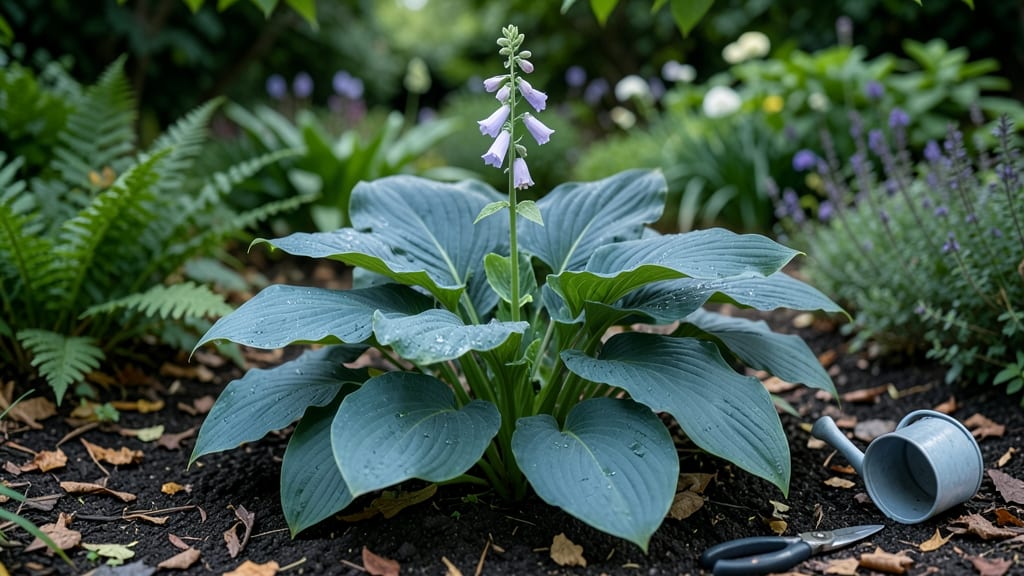
Full shade perennials transform dark garden corners into lush, vibrant spaces you'll actually want to spend time in. ✨ I've spent years perfecting shade gardens that bloom reliably even where sunlight barely reaches—and the secret isn't complicated.
These plants thrive where others struggle, offering bold colors, interesting textures, and surprisingly low maintenance once established.
The key is choosing plants that match your shade level—deep shade (less than 3 hours of light) vs. partial shade (3-6 hours). My go-to list includes hellebores for early spring blooms, astilbes for feathery plumes, and ferns for year-round texture.
These plants handle moisture better than sun-lovers, making them perfect for spots under trees or along north-facing walls where competition is fierce.
What you end up with is a garden that feels alive even in the darkest corners—think deep purples, velvety greens, and delicate white blooms that catch the eye. The best part?
These perennials come back stronger every year, reducing your spring work. I've designed shade gardens that look stunning with just 5-7 varieties, keeping costs low and impact high.
Whether you're working with a dense woodland area or a shady patio, these plants adapt beautifully. Layer them with hostas, brunneras, and Japanese painted ferns for a lush, multi-season display that never feels flat. Let's bring light to those dark spots!
📚 In This Guide
- What you need
- Instructions
- Tips and common mistakes
- Wrapping up and next steps
What you need
- ● Full shade perennials: Choose 3–5 varieties (e.g., Hosta, Astilbe, Heuchera, Ferns, or Bleeding Heart). Aim for 1–3 plants per square foot for dense planting.
- ● High-quality potting soil or garden loam: 2–3 cubic yards (for in-ground planting) or 1–2 bags (for containers). Opt for moisture-retentive, well-draining mixes (e.g., Pro-Mix or compost-amended soil).
- ● Organic mulch: 2–3 inches of shredded bark, pine straw, or leaf mold to retain moisture and suppress weeds.
- ● Garden gloves & knee pads: Protect your hands and joints during planting!
- ● Hand trowel or transplant spade: For digging small holes (6–12 inches wide/deep).
- ● Watering can or hose with a gentle spray nozzle: Full shade plants need consistent moisture—avoid heavy water pressure.
- ○ Fertilizer (optional but helpful): Slow-release balanced fertilizer (10-10-10) or orgainc options like fish emulsion or compost tea.
- ● Apply at planting and again in early spring.
- ● Container gardeners: 1–2 self-watering pots (12–18" diameter) with drainage holes.
- ● Shade cloth (10–30% coverage): For areas with partial shade to mimic full shade conditions.
- ● Epsom salt: 1 tbsp per plant (dissolved in water) to boost magnesium for lush foliage.
- ● Decorative stones or edging: To define garden beds and add polish.
- ● Plant markers: Label varieties if your garden is a mix of perennials.
Step-by-step guide to designing a thriving full shade perennial garden
Here’s how to transform dark corners into vibrant, low-maintenance displays using shade-loving perennials.
🌱 Step 1: Test Your Shade Conditions
Not all shade is equal—your garden’s light levels determine which perennials will thrive. Spend a few days observing your space: full shade means less than 3 hours of direct sunlight daily, while partial shade gets 3-6 hours. Use a light meter or simply place a white board where you’re planting—if it stays mostly dark, you’re in full shade territory.
This is the moment that matters: if your spot gets any afternoon sun, opt for plants like astilbe or heuchera that tolerate brief light exposure. True full shade? Focus on hostas, ferns, and lungwort—they’ll reward you with lush foliage and delicate blooms. I always mark my garden with stakes to track light shifts throughout the day.
🌿 Step 2: Amend Soil for Moisture Retention
Full shade soil stays damp longer, so drainage is key. Work 3-4 inches of organic compost into the top 6 inches of soil to improve texture and aeration. I like to mix in a handful of perlite or coarse sand to prevent compaction—this ensures roots won’t suffocate. Test your soil’s moisture by squeezing a handful: if it stays clumped, add more organic matter.
For clay-heavy soil (common in shady areas), spread a 2-inch layer of shredded bark mulch over the amended soil. This mimics a forest floor, keeping moisture consistent while suppressing weeds. Avoid thick layers of wood chips near plant stems—they can trap too much moisture and invite rot.
⏰ Step 3: Plant in Layers for Year-Round Interest
Design with height, texture, and bloom times in mind. Start with tall perennials like Japanese painted fern (3-4 feet) at the back, then add medium-height plants such as foxglove or columbine (18-24 inches) in the middle. Fill gaps with ground covers like ajuga or wild ginger (6-12 inches) to prevent soil erosion and suppress weeds.
Stagger planting so something’s always blooming: bleeding heart in spring, toad lily in summer, and hellebore in late winter. I space plants 12-18 inches apart—closer for foliage plants like hostas, wider for those with sprawling roots. Water deeply after planting to settle the soil and encourage root growth.
💧 Step 4: Water Deeply and Mulch Religiously
Full shade gardens need consistent moisture—water 1-2 inches per week, more during dry spells. The best time? Early morning so foliage dries quickly and reduces fungal risks. You’ll know you’re doing it right when the top 2 inches of soil feel damp but not soggy.
Top-dress with 3-4 inches of mulch (shredded leaves or bark) to lock in moisture and regulate soil temperature. Replenish mulch annually—it breaks down faster in shady, humid conditions. Avoid piling mulch against stems; keep it 2-3 inches away to prevent rot.
☀️ Step 5: Fertilize Lightly and Prune Strategically
Most shade perennials thrive on low fertility—overfeeding leads to floppy growth and fewer blooms. In early spring, scatter ½ cup of 5-10-5 fertilizer per 10 square feet and water it in. I skip summer feeding unless plants look pale, which usually signals a need for iron supplements (like chelated iron).
Prune spent blooms promptly to encourage reblooming, but avoid heavy cutting—many shade plants flower on old wood. After blooms fade, trim back dead or leggy stems to maintain shape. I wait until late winter to cut back perennials like heuchera or coral bells, as their foliage provides winter interest.
Tips & tricks for perfect full shade perennial gardens
Here's what nobody tells you about making full shade gardens truly thrive—these tricks make all the difference.
Light Observation Matters: That initial 3-hour test isn't just about sunlight—it's about timing. I've learned the hard way that afternoon sun (even just 1 hour) can stress shade plants. Use a white board to track light patterns for a full week before planting. The subtle differences between morning and afternoon shade can determine whether your hostas thrive or struggle. Mark your garden with stakes showing where light hits at different times of day.
Soil Prep Secret: When amending soil with 3-4 inches of compost, don't just mix it in—create a "compost sandwich." Spread 2 inches of compost, till it in, then add another 2 inches. This creates better root zones for deep-rooted perennials like Japanese painted fern. For clay soil, add perlite at a 1:3 ratio (1 part perlite to 3 parts soil) to dramatically improve drainage without losing moisture. I've seen plants double in size within a season after this simple soil upgrade.
Layering Like a Pro: The 12-18 inch spacing recommendation is perfect, but here's the real trick: stagger your layers by 6 inches. Place taller plants at 18 inches apart, medium-height at 15 inches, and ground covers at 12 inches. This creates natural flow and prevents overcrowding as plants mature. For example, put your 3-4 foot ferns 18 inches apart, then nestle 18-24 inch foxgloves 15 inches apart in front, with 6-12 inch ajuga filling the final 12-inch gaps.
Watering Wisdom: The 1-2 inch weekly watering guideline is spot-on, but timing is everything. Water between 6-9 AM when evaporation is lowest. I use a rain gauge to measure exactly 1-2 inches—just pouring "a lot" often means you're overwatering. For clay soil, water more frequently but less deeply (1 inch at a time) to prevent waterlogging. The top 2 inches of soil should feel like a damp sponge, not a soggy mess.
Pro Tips for Full Shade Perennials
- Here's what nobody tells you about making full shade gardens truly thrive—these tricks make all the difference.
- Light Observation Matters: That initial 3-hour test isn't just about sunlight—it's about timing.
- Soil Prep Secret: When amending soil with 3-4 inches of compost, don't just mix it in—create a "compost sandwich."
Frequently asked questions
Got questions about thriving plants in shady spots?
Here are answers to the most common queries about full shade perennials—so you can garden with confidence, even in the darkest corners of your yard.
What are the easiest full shade perennials for beginners?
Start with hostas, heucheras, or astilbes—they’re hardy, low-maintenance, and bloom reliably. Lungwort (Pulmonaria) and foamflower (Tiarella) are also forgiving picks that handle neglect and poor soil better than fussy varieties. Pro tip: Choose plants labeled "shade-tolerant" (not "full shade") if your spot gets a few hours of dappled light!
When is the best time to plant full shade perennials?
Plant in early spring or early fall when soil is workable but not frozen. This gives roots time to establish before extreme heat or cold. Avoid summer planting—roots can overheat, and winter planting may leave them vulnerable to frost heave. Exception: Container-grown plants can go in anytime if kept watered!
How often should I water full shade perennials?
Water deeply once a week (or more often in extreme heat), but avoid soggy soil—shady spots drain poorly. Mulch (2–3 inches) with shredded bark or leaves to retain moisture and suppress weeds. Watch for: Wilting leaves (underwatering) or yellowing (overwatering). Most shade-lovers tolerate drought better than sun-baked plants!
Can I grow vegetables or herbs in full shade?
Most veggies and herbs need full sun (6+ hours), but try shade-friendly edibles like lettuce, spinach, bush beans, or green onions in partial shade. For herbs, cilantro and parsley tolerate light shade, while mint and chives thrive in dappled light. Alternative: Grow microgreens indoors under grow lights!
Why are my full shade perennials dying despite proper care?
Check for root rot (mushy stems, foul smell—cut back and improve drainage), fungal issues (powdery mildew on leaves—spray with neem oil), or competing roots (like trees). Over-fertilizing can also burn roots in shade. Troubleshoot: Test soil pH (most shade plants prefer 6.0–7.0) and adjust with sulfur or lime if needed.
How can I add color to a dark, shady garden?
Layer foliage (purple heucheras, silver lamium) with blooms like bleeding heart (Dicentra), Japanese anemones, or toad lilies (Tricyrtis). For year-round interest, add evergreen ferns or variegated hostas. Bonus: White and pale flowers (like astilbe) reflect light, brightening the space!
Wrapping up and next steps
Transforming your shady garden into a vibrant oasis is easier than you think! With the right full shade perennials, you can bring bold blooms and lush greenery to even the darkest corners of your yard.
Whether you're a seasoned gardener or just starting out, these hardy plants offer low-maintenance beauty and year-round interest—proving that shade doesn’t mean sacrificing style.
Ready to take the next step? Start small—pick 2-3 perennials from our list, test your soil, and give them the love they deserve. Before you know it, your garden will be the envy of the neighborhood! 🌿✨