
Light Requirements
Struggling to grow flowers in shady spots? These 10 full shade flower seeds thrive where others fail, delivering vibrant blooms with minimal sunlight requirements. Perfect for under trees, north-facing gardens, or urban balconies with limited light.
Bleeding Heart Seeds for Woodland Gardens

Transform your shady garden into a romantic woodland retreat with bleeding heart seeds, the quintessential cottage garden perennial that thrives where sunlight struggles to reach. These delicate plants produce cascading clusters of heart-shaped blooms in soft pink, white, or red hues, creating a dreamy spring display that lasts for weeks.
Plant bleeding heart seeds in deep shade to partial shade (they tolerate less than 3 hours of direct sun dailymoist, well-draining soil enriched with organic matter. They’re happiest in humid conditions, making them perfect for understory plantings or near water features. After the first flush of flowers, they’ll reward you with lush, deep green foliage that adds texture to your garden.
Perfect for gardeners who love whimsical, old-fashioned charm, bleeding hearts pair beautifully with ferns, hostas, and other woodland staples. Just be prepared to divide clumps every few years—they’ll spread gracefully but may need thinning to keep their best form. 🌷
Impatiens Seeds for Container Gardens

Turn your urban balcony into a vibrant oasis with impatiens seeds, the ultimate fast-blooming annual that thrives in deep shade where other plants struggle. These cheerful flowers deliver nonstop color in shades of pink, red, orange, and white—perfect for brightening up dark corners, patios, or north-facing windows.
Sow seeds directly into hanging baskets or containers with well-draining potting mix, keeping them consistently moist until germination (about 7-14 days). Once established, impatiens reward you with continuous blooms from spring until frost, making them ideal for seasonal containers. Deadhead spent flowers to encourage even more blossoms, and fertilize lightly every 2-3 weeks for maximum impact.
Urban gardeners and small-space enthusiasts will love how impatiens transform limited sunlight into a burst of color—no trellis, no fuss, just instant beauty. 🌻
Lungwort Seeds for Pollinator Gardens

If you want to turn your shady garden into a buzzing pollinator paradise, lungwort seeds are your secret weapon. This underrated perennial boasts silver-spotted foliage that adds striking texture while its delicate purple-blue flowers provide early-season nectar for bees and butterflies—making it a must-have for medicinal and wildlife-friendly landscapes.
Lungwort thrives in full to partial shade (even under dense tree canopies) and prefers moist, well-draining soil, though it tolerates average garden conditions once established. The spotted leaves contain compounds historically used for respiratory health, adding a functional bonus to their ornamental value. Plant seeds in spring or early fall, spacing them 12-18 inches apart for a lush, self-sustaining ground cover.
Perfect for ecological gardeners and those with limited sunlight, lungwort’s year-round interest—from spring blooms to winter foliage—makes it a low-maintenance superstar. 🌿
Hosta Flowers Seeds for Low-Maintenance Beauty

Skip the fuss and grow hosta flowers—the ultimate low-maintenance shade superstar with lavender blooms that add unexpected elegance to your garden. Unlike high-maintenance perennials, hostas thrive in full shade to partial shade (even under trees) and tolerate dry soil once established, making them perfect for problem areas where other plants fail.
Plant hosta seeds in well-draining soil with organic matter, spacing them 12-24 inches apart to accommodate their mature size. While they prefer consistent moisture when young, mature plants are drought-tolerant and rarely need fertilizing. The real showstopper? Their bold, variegated foliage (blue-green, gold, or striped) paired with delicate lavender flower spikes in midsummer—no deadheading required for maximum impact.
Beginner gardeners and busy homeowners will love how hostas multitask: they suppress weeds, attract pollinators, and add year-round structure to shady beds. Just watch for slugs (use beer traps!) and divide clumps every 3-4 years to keep them vigorous. 💚
Japanese Painted Fern Seeds for Texture

Skip the flowers and focus on foliage with Japanese painted fern seeds, a textural powerhouse that thrives in full shade where other plants fade. These ferns produce striking silvery-white and deep green fronds that create a painterly effect in woodland gardens, adding depth and contrast without needing sunlight.
Grow them in moist, well-draining soil under trees or along shady borders, where their arching fronds (18-24 inches tall) create a natural, layered look. Unlike flowering plants, they deliver year-round interest—their foliage turns golden in autumn, adding seasonal color. Plant seeds in spring or early fall, spacing them 12-18 inches apart for a lush, low-maintenance ground cover.
Perfect for gardeners who love textural contrast and woodland aesthetics, these ferns pair beautifully with hostas, lungwort, and other shade-loving plants. Their drought tolerance once established makes them ideal for problem areas where moisture lingers. 🌿
Sweet Woodruff Seeds for Fragrant Ground Cover

Add a whimsical, fragrant touch to your shady garden with sweet woodruff seeds—a fast-spreading ground cover that fills dark corners with delicate white flowers and a vanilla-like scent reminiscent of spring mornings. Unlike other shade plants, this low-growing perennial thrives in full to partial shade (even under dense tree canopies) and spreads quickly to create a lush, aromatic carpet.
Sow seeds in spring or early fall in well-draining soil with some organic matter, keeping them lightly moist until germination (about 2-3 weeks). Once established, sweet woodruff spreads via rhizomes, forming dense mats that suppress weeds and stay green year-round in mild climates. The tiny white flowers appear in late spring, releasing their signature fragrance when brushed against—perfect for fragrant pathways or understory plantings.
Ideal for gardeners who love sensory gardens or woodland-style plantings, sweet woodruff pairs beautifully with ferns and hostas while requiring almost no maintenance. Just watch for powdery mildew in humid conditions—thin plants for airflow if needed. 🌱
Toad Lily Seeds for Unique Bloom Shapes

Bring a touch of the exotic to your shady garden with toad lily seeds, a striking perennial that produces bell-shaped flowers resembling tiny orchids. These unusual blooms—often deep purple, yellow, or white—emerge in late summer to early fall, creating a dramatic focal point where other shade plants struggle to shine.
Toad lilies thrive in moist, well-draining soil with full to partial shade, making them perfect for woodland gardens, understory plantings, or near ponds. Their architectural foliage (long, strap-like leaves) adds structure, while the flowers attract hummingbirds and bees. Plant seeds in spring or early summer, spacing them 12-18 inches apart, and mulch to retain moisture.
Gardeners who love unexpected textures and late-season interest will adore how toad lilies transform shady corners into a tropical-inspired retreat. Just
Coral Bells Seeds for Colorful Foliage

Brighten up your shady garden corners with coral bells seeds, a showstopper that delivers year-round visual interest through its striking foliage in shades of purple, silver, or gold. Unlike many shade plants that focus solely on flowers, coral bells (Heuchera) steal the show with their vibrant leaves, which pair beautifully with delicate pink blooms in spring—a perfect combo for adding texture and color to mixed shade beds.
These versatile perennials thrive in partial to full shade (they tolerate as little as 2-3 hours of direct sun daily) and prefer well-draining soil with consistent moisture. Plant seeds in spring or early fall, spacing them 12-18 inches apart to allow their compact mounds to spread. Coral bells are drought-tolerant once established, making them ideal for problem areas where other plants wilt. For extra drama, mix varieties like 'Palace Purple' (deep burgundy) with 'Lime Rickey' (chartreuse) to create a rainbow effect in your garden.
Gardeners who love seasonal color variation and low-maintenance plants will adore coral bells—they provide visual interest from spring through fall, with foliage that often turns fiery in winter. Pair them with hostas or ferns for a layered, textured look that feels effortlessly natural. 🌟
Solomon's Seal Seeds for Graceful Arches

Elevate your shady garden with Solomon's Seal seeds, a vertical design powerhouse that creates natural arches and cascades where sunlight barely reaches. This clumping perennial produces elegant, arching stems adorned with clusters of white bell-shaped flowers in late spring, adding a refined touch to woodland gardens, foundation plantings, or even container arrangements.
Thriving in full to partial shade (even under dense tree canopies), Solomon's Seal prefers moist, well-draining soil enriched with compost. Its semi-evergreen foliage (depending on climate) stays attractive year-round, while the arching habit (18-36 inches tall) creates dynamic movement in still garden spaces. Plant seeds in spring or early fall, spacing them 12-18 inches apart—they’ll self-seed modestly over time, creating lush, low-maintenance drifts.
Perfect for gardeners who love structural plants with understated elegance, Solomon's Seal pairs beautifully with hostas, ferns, and other shade-loving perennials. Its deer-resistant nature makes it ideal for rural properties, while its pollinator-friendly blooms support early-season bees. 🌿
Foxglove Seeds for Dramatic Height

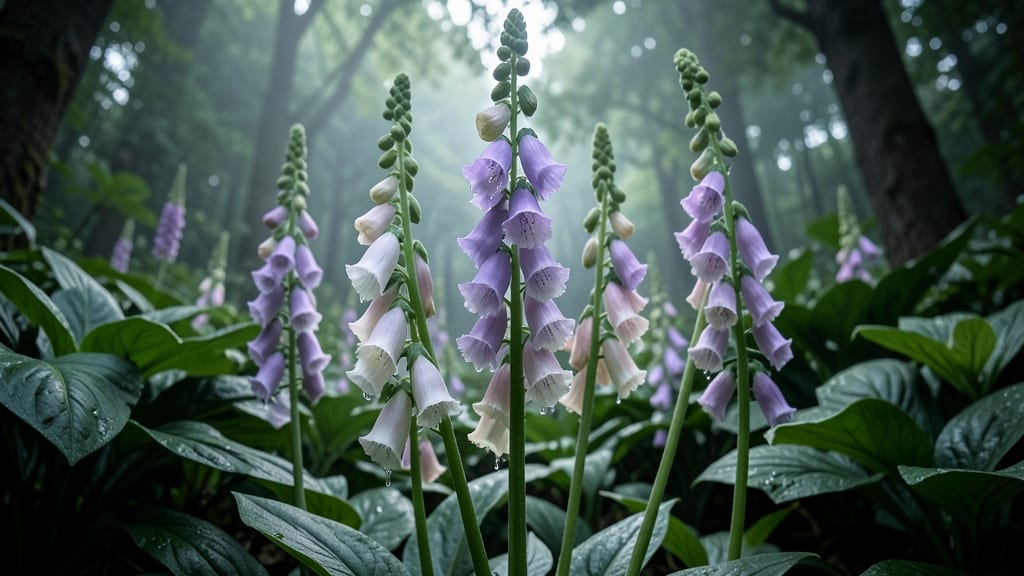
Ready to add dramatic vertical interest to your shade garden? Foxglove seeds deliver towering spikes of bell-shaped blooms that reach 3-5 feet tall, creating a fairy-tale effect in partial to full shade. Unlike most shade plants, foxglove thrives in cooler climates and attracts hummingbirds with its nectar-rich flowers in shades of purple, pink, white, or yellow—perfect for adding height where sunlight is scarce.
Sow seeds directly in well-draining soil in early spring or late summer, spacing them 12-18 inches apart to accommodate their mature size. Foxglove prefers moist but not soggy conditions, making it ideal for woodland gardens or understory plantings near water features. While it’s a biennial (blooming in its second year), self-seeding varieties ensure your garden stays filled with these striking spikes for years. Just be cautious—foxglove is toxic if ingested, so plant it where children and pets can’t access it.
Gardeners who love whimsical, cottage-style gardens or want to create a hummingbird magnet in shady spots will adore foxglove. Pair it with bleeding hearts or toad lilies for a magical understory display that feels straight out of a storybook. ✨