
Orchid Care
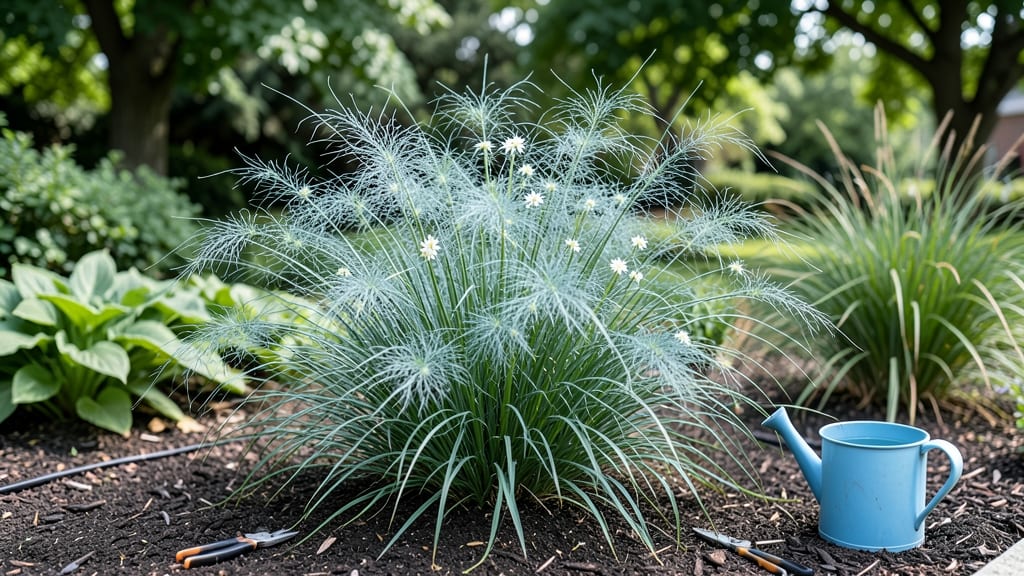
The foxtail fern thrives in sun or shade—but only if you get the balance right, or those delicate fronds will turn crispy or limp.
Picture this: your foxtail fern 🌿 starts wilting by noon, even though you swore you gave it enough water. Or maybe it’s growing leggy and sparse, stretching toward the light like it’s desperate for a better spot.
These aren’t just bad luck—they’re classic signs your plant isn’t getting the right light mix.
Here’s the secret: foxtail ferns are adaptable, but they’re not one-size-fits-all. Too much direct sun? The tips will scorch. Too little light? The fronds will thin out. The key is finding that sweet spot—whether you’re dealing with a bright kitchen window, a shady corner, or even artificial lighting.
In this guide, I’ll walk you through how to read your foxtail fern’s light needs, adjust your space for lush growth, and troubleshoot common mistakes—so you can finally stop guessing and start growing.
 Best Window Placement
Foxtail fern sun vs shade requirements: the truth about light tolerance
The foxtail fern (Asparagus densiflorus or Asparagus plumosus) is one of those magical plants that seems to thrive almost anywhere—but only if you get its light requirements just right. Too much sun can scorch its delicate fronds, while too little shade leaves it leggy and sparse.
Let me break down the science behind its photosynthesis efficiency and how to spot when your plant is begging for a light adjustment.
Most gardeners assume foxtail ferns are low-light champions, but the truth is more nuanced. They can handle partial shade (3-6 hours of sunlight daily), but they also tolerate bright indirect light and even morning sun exposure.
The key is avoiding harsh afternoon rays, which can cause leaf burn and crispy tips. Let’s compare their performance in different light scenarios so you can give your plant the perfect spot.
| Light Condition | Daily Sunlight | Growth Response | Signs of Stress | Best For |
|---|---|---|---|---|
| Full Sun (6+ hours) | Morning sun only | Slow growth, crispy tips | Brown frond tips, yellowing | Outdoor containers in hot climates |
| Partial Shade (3-6 hours) | Dappled or filtered light | Optimal growth, lush fronds | None (healthy appearance) | Indoor east/west windows, outdoor borders |
| Low Light (<3 hours) | Indirect light only | Leggy, sparse fronds | Pale green leaves, slow growth | North-facing rooms, deep shade |
| Bright Indirect Light | Filtered sunlight (e.g., sheer curtain) | Balanced growth, vibrant color | Minimal stress | Indoor office spaces, conservatories |
Notice how partial shade is the sweet spot for foxtail ferns? This is where their chlorophyll works most efficiently, producing energy without overheating. In low-light conditions, their fronds stretch toward any available light—a classic sign of etiolation.
Meanwhile, full sun exposure (especially afternoon rays) triggers oxidative stress, leading to those dreaded brown tips.
If your foxtail fern is showing yellowing fronds, it’s often a sign of overwatering in low light or underwatering in high light. The roots struggle to absorb moisture when the plant isn’t photosynthesizing efficiently.
Here’s how to diagnose: Check the soil—if it’s soggy in shade or bone-dry in sun, you’ve got your culprit. Adjust watering alongside light exposure for best results.
For indoor growers, place your foxtail fern within 3-6 feet of an east- or west-facing window. South-facing windows can work if you use a sheer curtain to diffuse the light.
Outdoor gardeners should avoid placing them in hot, exposed areas—instead, opt for dappled shade under trees or on porches with afternoon respite. Pro tip: Rotate your plant every few weeks to ensure even growth.
One common mistake is assuming all foxtail ferns are the same. Asparagus densiflorus (the "Moss Fern") is slightly more tolerant of bright indirect light, while Asparagus plumosus (the "Lace Fern") prefers gentler conditions.
If your plant’s fronds are turning brown at the tips, it’s likely sunburn—move it to a shadier spot immediately. Conversely, if fronds are pale and sparse, it’s craving more light.
Scientifically, foxtail ferns thrive in moderate light intensity (10,000-20,000 lux). Below 5,000 lux, their growth slows dramatically, while above 30,000 lux, they risk photoinhibition.
Use a light meter or observe your plant’s response: healthy fronds should be deep green with a slight blue tint, not yellow or bleached. This visual cue is your best indicator of ideal light levels.
Let’s talk about seasonal adjustments. In summer, foxtail ferns may need afternoon shade to prevent heat stress, while in winter, they can handle slightly lower light levels indoors.
If you notice fronds drooping in winter, it’s often due to dry indoor air—mist the leaves occasionally to mimic humidity. Pair this with a grow light (12 hours daily) if natural light drops below 3 hours.
Ready to give your foxtail fern the perfect light conditions? Start by assessing its current spot: Is it getting morning sun or afternoon glare? Is the light direct or filtered?
Use these observations to tweak its placement. With the right light, your foxtail fern will reward you with plush, feathery fronds all year round. 🌿
How to adjust light for maximum foxtail fern growth in your space
Your foxtail fern thrives in flexible light conditions, but getting the balance right makes all the difference. Too much direct sun can scorch its delicate fronds, while low light slows growth and causes leggy stems.
The key is adapting your approach based on whether you're growing indoors or outdoors—and adjusting for seasonal changes.
Start by identifying your space's natural light patterns. East-facing windows provide gentle morning sun, perfect for foxtail ferns, while south-facing windows can deliver harsh afternoon rays.
Outdoors, dappled shade under trees or a partial sun spot with afternoon shade works best. Let’s break down how to optimize light for your specific setup.
- 1 Indoor Placement: Place near east or north windows for bright, indirect light. Rotate the pot weekly to prevent uneven growth.
- 2 Outdoor Positioning: Choose partial shade (3-6 hours of sun) or morning sun with afternoon shade. Avoid direct afternoon sun in hot climates.
- 3 Seasonal Adjustments: Move indoors during summer heat or provide sheer curtains to filter harsh rays. In winter, supplement with a grow light if natural light drops below 3 hours daily.
- 4 Fix Over-Filtering Light: If fronds look pale or sparse, move the plant closer to a brighter spot. For crispy tips, reduce direct sun exposure immediately.
For indoor gardeners, grow lights can be a game-changer during winter months when daylight is scarce. Use a full-spectrum LED bulb 6-8 inches above the plant for 12-14 hours daily. This mimics natural light cycles and prevents the leggy growth that often plagues indoor foxtail ferns in dim corners.
Outdoor growers should pay close attention to microclimates in their yard. A spot near a building or under a large tree might offer the perfect filtered light your foxtail fern craves.
If you notice yellowing fronds or brown tips, it’s a sign the light balance is off—either too much sun or not enough.
Pro tip: Prune leggy stems back by one-third to encourage bushier growth when adjusting light levels. This helps your foxtail fern adapt faster to its new environment. With these tweaks, you’ll see vibrant, healthy fronds in no time!