
Companion Plants
Dark corners of your garden don’t have to feel neglected—these 10 shade-tolerant foundation plants create lush, evergreen backdrops that add structure, texture, and year-round interest. Perfect for borders, privacy screens, or anchoring garden beds, these plants thrive where sunlight struggles.
Dwarf English Holly for Structured Privacy

Craving a structured, evergreen barrier that demands zero excuses for neglect? Dwarf English holly delivers the polished, impenetrable look of a formal garden with minimal effort. Its slow-growing nature means you’ll spend less time pruning and more time admiring its glossy, spiky leaves and clusters of bright red berries—a wildlife deterrent that keeps critters at bay.
This shade-tolerant shrub thrives in partial to full shade, making it ideal for north-facing borders or under trees. Space plants 3-4 feet apart for a dense hedge, or prune into topiary shapes for a classic, manicured look. The berries add seasonal interest, while the dark green foliage provides year-round structure—perfect for anchoring pathways or framing entryways.
Gardeners who love low-maintenance elegance will appreciate how this holly holds its shape without fuss. It’s the ultimate foundation plant for those who want a refined, evergreen backdrop that’s as tough as it is beautiful. ✨
Japanese Fern for Soft Textural Contrast

When you crave a softer edge in your shade garden—one that feels alive with movement rather than rigid—Japanese fern (Matteuccia struthiopteris) is your secret weapon. Unlike the structured holly we just covered, this fern brings a whimsical, almost fairy-tale quality to woodland borders with its feathery, arching fronds that sway gently in the breeze.
Thriving in deep shade where most plants falter, Japanese fern tolerates moist, well-drained soil and even occasional foot traffic, making it ideal for understory planting. Its three-tiered fronds (sterile, fertile, and fiddleheads) create dynamic texture, while its clumping habit prevents it from spreading aggressively. For best results, plant in spring or early fall and space clusters 2–3 feet apart to let their fronds cascade naturally.
This fern is a game-changer for gardeners who want organic elegance without sacrificing durability. Perfect for cottage gardens, fairy gardens, or as a backdrop for delicate perennials, it’s the ultimate shade-loving plant for those who love a touch of magic in their garden. 🌿
Rhododendron for Season-Long Color

If you crave a shade garden that pops with color without sacrificing year-round structure, rhododendrons are your secret weapon. Unlike many shade plants that fade after blooming, these shrubs deliver spring flowers (in pink, purple, or white) and keep their glossy foliage vibrant through winter, ensuring your garden stays lively even in the darkest corners.
Plant them where they’ll receive morning sun or dappled light—they thrive in acidic, well-draining soil and benefit from a 2-3 inch layer of mulch to retain moisture. Choose compact varieties like ‘PJM’ for borders or taller types like ‘Catawbiense’ for dramatic vertical accents. Their fragrant blooms also attract pollinators, adding an extra layer of garden magic.
This is the perfect plant for gardeners who want low-maintenance drama—ideal for foundation plantings, woodland gardens, or as a focal point under trees. Just be mindful of deer, who often nibble on young shoots. 🌷
Boxwood Shrubs for Classic Foundation Lines

When you need crisp, architectural lines that define your garden’s structure without demanding constant attention, boxwood shrubs are the unsung heroes of foundation planting. Their ability to hold sharp edges through seasons—even in partial shade—makes them the go-to for pathways, garden beds, and formal borders.
Boxwoods thrive in filtered light to partial shade, tolerating a wide range of soil types as long as it’s well-draining. Their dense, evergreen foliage stays lush year-round, and their slow growth means you’ll spend less time pruning while maintaining that polished, manicured look. For best results, space them 3–4 feet apart in rows and trim lightly after flowering in late spring to encourage bushier growth.
This classic choice is perfect for gardeners who love timeless elegance with minimal fuss—ideal for urban courtyards, heritage-style gardens, or any space where structure meets serenity. 🌿
Inkberry Holly for Low-Maintenance Density

Tired of invasive plants stealing the spotlight in your shade garden? Inkberry holly is the native underdog that delivers density without drama, thriving in both wet and dry shade while outcompeting weeds naturally. Its deep purple-black leaves create a striking, evergreen backdrop that’s as tough as it is beautiful.
This low-maintenance shrub tolerates poor soil, urban pollution, and even salt spray, making it perfect for naturalistic borders or replacing problematic invasives like burning bush. Space plants 4-6 feet apart for a lush, informal hedge, or let them grow wild for a woodland-inspired look. Unlike fussy foundation plants, inkberry holly handles minimal pruning and stays healthy with just occasional shaping.
Eco-conscious gardeners will love how this native plant supports wildlife while requiring zero special care. It’s the ideal foundation plant for those who want structure without the upkeep. 💚
Hosta Varieties for Bold Foliage Impact

Want a shade garden that stays visually stunning even when other plants go dormant? Hosta varieties like ‘Blue Angel’ or ‘Patriot’ deliver year-round interest with their bold, textured foliage—some even develop striking winter hues or crisp edges that hold through cold months. Unlike traditional evergreens, these hostas bring color and pattern to dark corners without requiring sunlight.
These varieties thrive in partial to full shade, preferring moist, well-draining soil rich in organic matter. Plant them in clusters 18-24 inches apart for a lush, layered look, pairing them with ferns or heucheras for contrast. Their large, dramatic leaves create instant impact, while some cultivars like ‘Halcyon’ develop blue-gray tones in winter that add seasonal drama. Mulch heavily to protect roots in colder climates.
Perfect for gardeners who love textural variety without the upkeep of evergreens, hostas excel in woodland gardens, under trees, or as mid-layer accents in foundation plantings. Their adaptability makes them a must-have for shade lovers who refuse to compromise on style. 💚
Mountain Laurel for Fragrant Evergreen Drama

Want a fragrant evergreen that doubles as a showstopper in spring? Mountain laurel (Kalmia latifolia) delivers both with its sweetly scented white blooms and dense, glossy foliage—a sensory upgrade for any shaded garden corner. Unlike other shade plants that fade after flowering, this shrub keeps its dark green leaves year-round, creating a lush, evergreen backdrop that’s as tough as it is beautiful.
Thriving in partial to full shade, mountain laurel prefers acidic, well-draining soil and benefits from a mulch layer to retain moisture. Its bell-shaped flowers appear in late spring, attracting pollinators while filling the air with a honey-like fragrance. For best results, space plants 5-6 feet apart to allow their rounded shape to shine, and prune lightly after flowering to maintain a tidy form.
Perfect for gardeners who love multi-season interest, mountain laurel stands out in both formal and woodland gardens. Its fragrant blooms make it a standout for sensory gardens, while its evergreen structure ensures your shade garden stays vibrant even in winter. 🌷
Oakleaf Hydrangea for Seasonal Transformation

Looking for a shade-loving shrub that delivers drama through all four seasons? Oakleaf hydrangea (Hydrangea quercifolia) is the secret weapon for gardeners who want bold foliage and papery blooms without sacrificing structure. Unlike other hydrangeas that fade after summer, this variety transforms in fall, flaunting fiery burgundy or russet leaves that rival any maple tree.
This hydrangea thrives in partial to full shade, making it perfect for north-facing borders or understory plantings. Its large, oak-shaped leaves (hence the name) add architectural interest, while its white summer blooms transition to papery seed heads that persist through winter. For best results, plant in well-draining, slightly acidic soil and water consistently to encourage lush growth. Prune lightly in late winter to shape and remove dead blooms.
Gardeners who love seasonal variety in a single plant will adore oakleaf hydrangea—it’s ideal for anchoring shade gardens, framing pathways, or adding height to mixed borders. Its low-maintenance nature and striking foliage make it a standout for both formal and naturalistic designs. 🌻
Pieris Japonica for Early Spring Interest

When your garden still looks dormant in late winter, Pieris japonica arrives like a breath of fresh air with its candle-like flower spikes that burst into color before most spring bloomers. Unlike many shade plants that wait for summer to shine, this evergreen shrub delivers early-season drama—often blooming as early as February in mild climates—while keeping its glossy foliage intact year-round.
Perfect for north-facing gardens or understory plantings, Pieris thrives in partial to full shade and tolerates a wide range of soils, though it prefers acidic conditions. Its upright growth habit (typically 6–10 feet tall) makes it ideal for anchoring borders or creating vertical interest behind smaller perennials. Varieties like ‘Little Heath’ stay compact (3–4 feet), while ‘Cavendishii’ offers striking red new growth for extra visual punch.
This is the ideal plant for gardeners who want to brighten dark corners early without sacrificing structure. Whether you’re framing a pathway or adding height to a shaded bed, Pieris delivers seasonal impact with minimal effort. 🌻
Dwarf Mondo Grass for Ground Cover Elegance

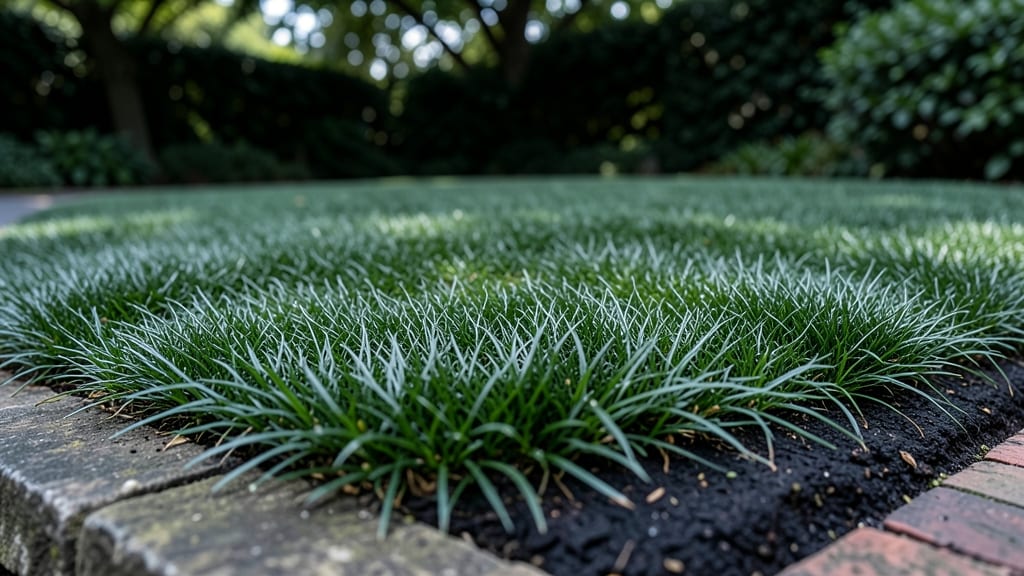
Looking for a zero-fuss ground cover that transforms bare spots into a seamless, weed-proof canvas? Dwarf mondo grass (Ophiopogon japonicus 'Nana') is the unsung hero of shaded foundation plantings, offering a velvety-green carpet that stays lush year-round without the upkeep of mulch or annual weeding.
This sun-loving shade plant thrives in partial to full shade, making it perfect for under trees, along north-facing walls, or between paving stones. Its dense, grass-like foliage spreads slowly (about 6 inches per year) to create a polished, uniform surface that suppresses weeds naturally. Unlike fussy ground covers, it tolerates dry soil once established and handles foot traffic better than most—ideal for high-traffic areas near patios or pathways.
Urban gardeners and busy homeowners will love how this low-maintenance grass eliminates the need for mulch while adding a modern, minimalist touch to foundation plantings. Just divide clumps every few years to keep it vigorous—no pruning, no fuss, just effortless elegance. 💚