
Flowers
Struggling to keep flowers alive in shady spots? These seven shade-tolerant varieties bloom beautifully with minimal sunlight, transforming dark corners of your garden into vibrant displays—no direct sun required.
Bleeding Heart Flowers for Woodland Gardens

If your garden has areas where sunlight barely reaches, bleeding heart flowers (Dicentra spectabilis) are your secret weapon. These romantic, heart-shaped blooms don’t just tolerate shade—they thrive in it, making them ideal for woodland gardens, under trees, or along north-facing walls.
Plant them in moist, well-draining soil with partial to full shade, and they’ll reward you with cascading clusters of pink, white, or red flowers from late spring through summer. Their fern-like foliage stays lush all season, adding texture even when blooms fade. For cottage-style gardens, pair them with hostas or ferns for a dreamy, layered look.
Perfect for gardeners who love low-maintenance charm, bleeding hearts bring whimsy to shady spots without demanding extra care. 🌷
Impatiens Annuals for Container and Border Planting

If your balcony, window boxes, or shady garden spots feel like dead zones for flowers, impatiens are your secret weapon. These compact annuals burst into vibrant blooms with just 2-4 hours of indirect light daily, outperforming sun-loving plants in low-light areas where others wilt.
Choose from classic reds, oranges, pinks, or even bi-color varieties for containers or borders. They thrive in well-draining, moist soil and bloom continuously until frost—perfect for season-long color. Deadhead spent blooms weekly to encourage more flowers, and watch them fill gaps in your garden with cheerful faces.
Urban gardeners and balcony growers will love impatiens—they’re disease-resistant and rarely need fertilizing, making them the easiest shade plant to keep happy. 🌻
Hostas with Variegated and Blue-Leaf Varieties

If you thought hostas were just about lush foliage, think again—these shade stars also deliver delicate lavender or white blooms that stand out against their striking leaves. Unlike other shade plants, hostas offer year-round interest, with flowers appearing in late summer to early fall and foliage that stays vibrant even in winter.
Variegated varieties like 'Francee' or blue-leaf types such as 'Blue Angel' thrive in full to partial shade, making them perfect for under trees or north-facing beds. Their deep roots tolerate damp soil, and they’re nearly pest-free, requiring only occasional division every 3-5 years. The contrast of their cream, blue, or gold-edged leaves adds texture to any shady corner.
Ideal for gardeners who want low-maintenance yet high-impact plants, hostas bring elegance to woodland gardens, foundation plantings, or container arrangements. Their flowers may be subtle, but their foliage makes a bold statement—even when nothing else is blooming. 🌿
Hellebores for Early Spring Blooms

When your garden looks bare and brown in late winter, helleborus (hellebores) are the understated heroes stepping in with their elegant blooms. These winter-hardy perennials defy the cold, emerging from the soil as early as February in many climates to offer nodding flowers in shades of white, pink, green, or deep purple.
Plant them in well-draining soil under trees or along north-facing walls where they’ll thrive in full to partial shade. Their leathery foliage stays evergreen through winter, providing structure while their flowers attract early pollinators like bees. Varieties like 'Annie's Pride' or 'Blackthorn' offer particularly striking colors that stand out against bare branches.
Perfect for gardeners who want year-round interest with minimal effort, hellebores reward patience with decades of blooms—once established, they’re nearly indestructible. 💚
Astilbe Fern-Like Plumes in Shady Beds

Want to add vertical drama to your shady garden without sacrificing blooms? Astilbe delivers feathery plumes in pink, red, and white that stand tall (2-4 feet) in conditions where most flowers struggle. These moisture-loving perennials thrive in dappled shade or full shade, making them perfect for woodland gardens, foundation plantings, or under tree canopies where sunlight is scarce.
Plant astilbe in rich, humusy soil with consistent moisture—their fern-like foliage stays lush all season, while their airy plumes bloom from mid to late summer, long after other shade plants have faded. Varieties like 'Fanal' (deep red) or 'Glut Game' (pink) add bold color contrasts. For extra height, pair them with hostas or ferns to create layered, textured beds that feel like a secret garden.
Gardeners with damp, shady spots will love astilbe—they’re low-maintenance, deer-resistant, and rebloom reliably year after year. Just avoid letting the soil dry out completely, and you’ll enjoy season-long interest that turns dull corners into showstoppers. ✨
Lungwort for Medicinal and Ornamental Appeal

Looking for a shade-loving perennial that doubles as a pollinator magnet and a medicinal powerhouse? Lungwort (Pulmonaria) delivers with its striking silver-spotted leaves and delicate blue-purple flowers that emerge before most spring blooms. Unlike other shade plants, lungwort thrives in dry to medium shade, making it ideal for understory gardens, woodland edges, or even urban courtyards where moisture is limited.
This hardy plant attracts early-season bees and butterflies with its nectar-rich blooms, while its foliage contains compounds historically used for respiratory health. Plant it in well-draining soil with partial shade, and watch it spread gently over time. Varieties like 'Sissinghurst White' or 'Blue Mist' offer contrasting colors that brighten shady corners from late winter through spring.
Perfect for gardeners who want low-maintenance beauty with ecological benefits, lungwort proves that shade doesn’t mean sacrificing color or pollinator support. 🌱
Japanese Painted Fern for Textural Interest

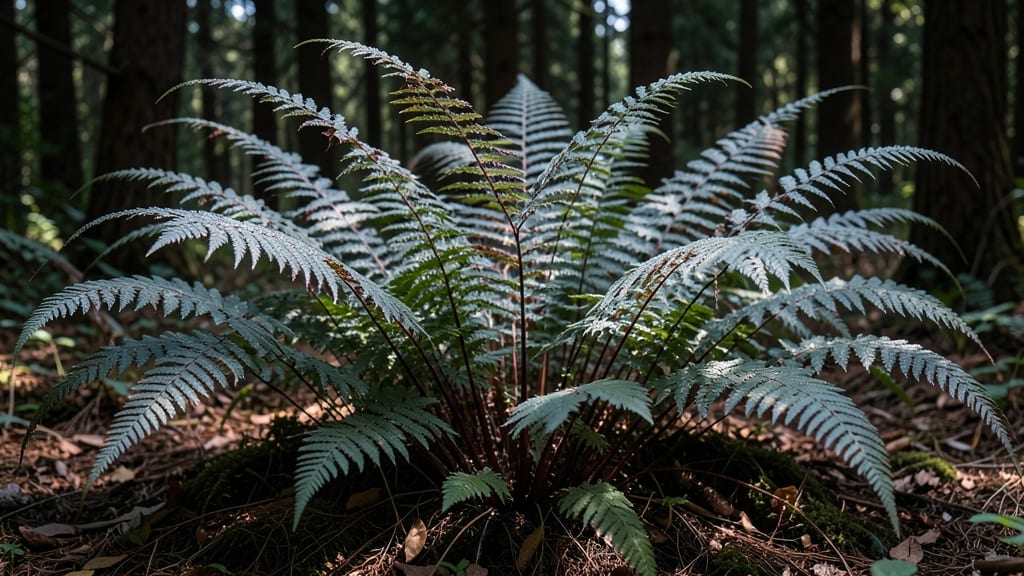
If you’ve ever struggled to find a plant that thrives in the darkest corners of your garden, the Japanese painted fern (Athyrium niponicum var. pictum) is your answer. Unlike flowering shade plants, this fern delivers year-round texture with its striking silver and deep green fronds, creating a lush, almost velvety carpet that brightens even the gloomiest spots.
This clumping perennial loves moist, well-draining soil and tolerates full to partial shade, making it ideal for understory plantings or as a living mulch. Its fronds emerge in spring with silvery hues that deepen to rich green as they mature, adding depth and contrast to garden beds. For best results, plant in groups of three or more to create a cohesive ground cover effect.
Perfect for gardeners who prioritize texture over blooms, this fern is especially valuable in woodland gardens, rock gardens, or as an underplanting for trees. Its low-maintenance nature and disease resistance make it a reliable choice for both beginners and seasoned gardeners alike. 💚