
Size
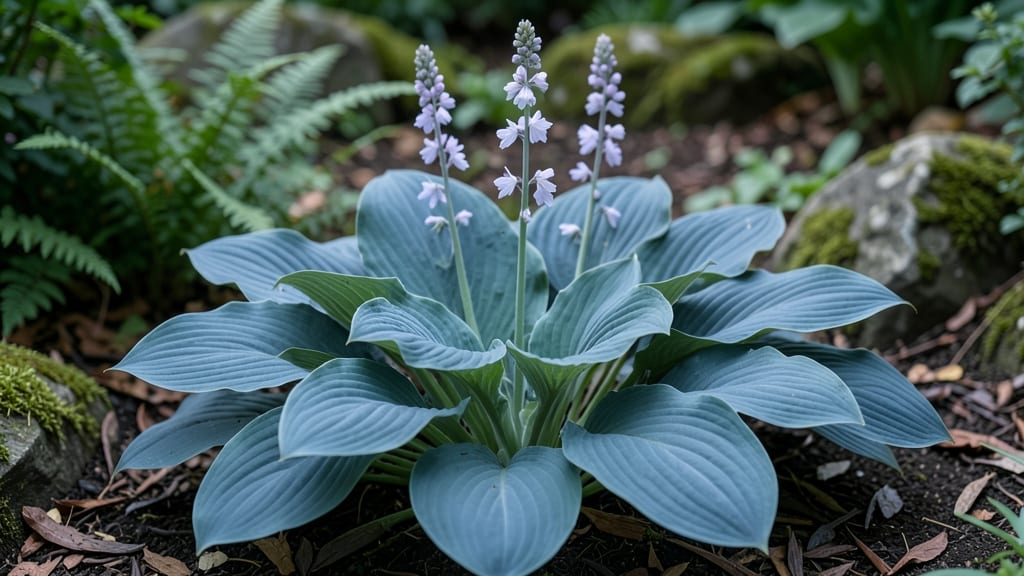
These flowering plants that grow in shade prove that sunlight isn’t the only ingredient for a stunning garden—my woodland-edge garden thrives where others fail, bursting with velvety foliage and delicate blooms that outshine many. sun-worshippers.
Most shade plants need partial shade (3-6 hours of morning sun) or full shade (less than 3 hours). The key is matching plants to their natural habitat: woodland floors, understory gardens, or north-facing borders.
My go-to trio—impatiens, astilbes, and hostas—demonstrate how different light levels create entirely different looks, from airy sprays of color to bold, textured leaves.
With the right moisture and soil (rich, well-draining, and slightly acidic), these plants reward you with season-long blooms that never wilt. Even in deep shade, you'll get flowers from spring through fall—just avoid soggy soil, and you're golden. The secret? Mimicking their natural environment without overcomplicating things.
Works in any yard with trees, fences, or north-facing walls. Once established, they're nearly maintenance-free, making them perfect for busy gardeners who still want color. Let's bring that woodland charm to your garden!
📚 In This Guide
- What you need
- Instructions
- Tips and common mistakes
- Wrapping up and next steps
What you need
- ● Shade-tolerant flowering plants: 1-3 Hosta (e.g., 'Blue Angel' or 'Halcyon')
- ● 2-4 Astilbe (e.g., 'Fanal' or 'Deutschland')
- ● 3-5 Bleeding Heart (Dicentra spectabilis)
- ● 1-2 Impatiens (Impatiens walleriana) (for containers or borders)
- ● 3-6 Foxglove (Digitalis purpurea) (for height and drama)
- ● Well-draining potting mix: 5-10 gallons (or enough to fill containers/beds). Look for a peat-based or compost-enriched mix with perlite or vermiculite.
- ● Containers or garden bed: Containers: 5-10 gallon pots (with drainage holes) for smaller plants like impatiens or ferns.
- ● Garden beds: A partially shaded area (4-6 hours of dappled light) with loose, fertile soil.
- ● Organic mulch: 2-3 inches of shredded bark, pine needles, or compost to retain moisture and regulate temperature.
- ● Slow-release fertilizer: A balanced 10-10-10 or organic option (like fish emulsion) to feed plants gradually.
- ● Garden trowel or hand shovel (for transplanting)
- ● Pruning shears (to trim dead foliage or encourage blooming)
- ● Watering can or hose with a gentle spray nozzle (shade plants prefer consistent moisture)
- ● Gloves (to protect hands from soil and thorns, like on foxglove)
- ○ pH testing kit (optional) – Ideal soil pH for most shade plants is 6.0-7.0.
- ● Shade cloth (30-50% coverage) – If your area gets too much indirect light.
- ● Epsom salt (1 tablespoon per gallon of water) – Boosts magnesium for vibrant blooms.
- ● Decorative stones or pebbles – For a polished look in containers.
- ● Self-watering planters – Great for impatiens or ferns that love moisture.
How to select and cultivate thriving shade-loving flowering plants
Here’s how to choose and grow vibrant blooms that flourish where sunlight barely reaches.
Identify Your Shade Conditions
Not all shade is equal—understanding your light levels determines which plants will thrive. Deep shade (less than 3 hours of sunlight) suits hellebores, lungwort, and ferns, while partial shade (3–6 hours of dappled light) supports impatiens, astilbes, and bleeding hearts. Observe your garden throughout the day: a north-facing wall or dense tree canopy creates the darkest spots, whereas a filtered light through branches offers brighter conditions.
Take note of humidity levels too—shady areas often retain more moisture, which affects root health. If your space feels damp, opt for plants like astilbes or Japanese anemones that tolerate soggy soil. For drier shade, choose plants like lamium or ajuga, which have shallow roots and adapt to less moisture.
Prepare the Soil for Shade Plants
Shade plants rely on rich, well-draining soil to compensate for limited photosynthesis. Amend your garden bed with 3–4 inches of compost or aged manure to boost organic matter and improve drainage. Avoid heavy clay soil, which can suffocate roots in low-light conditions. If your soil is compacted, mix in 1–2 inches of perlite or coarse sand to create air pockets.
Test your soil’s pH—most shade-loving flowers prefer a slightly acidic to neutral range (5.5–7.0). If your soil is alkaline, add sulfur or peat moss to adjust it gradually. Mulch with 2–3 inches of shredded bark or leaf mold to retain moisture and regulate temperature, which is especially critical in shaded areas where soil can stay cooler and wetter for longer.
Choose the Right Plants for Your Space
For deep shade, prioritize plants like Hellebores (Lenten roses), which bloom in late winter and tolerate dry shade, or Lungwort (Pulmonaria), known for its spotted foliage and early spring flowers. These plants thrive with minimal care once established. In partial shade, consider Impatiens (Busy Lizzie) for vibrant summer blooms or Astilbe, which produces feathery plumes in shades of pink, white, and red.
Don’t overlook foliage plants like Hostas or Ferns, which add texture and contrast even when flowers are scarce. Group plants with similar light and water needs together to create a cohesive, low-maintenance display. For example, pair Bleeding Heart (Dicentra spectabilis) with Japanese Painted Fern (Athyrium) for a lush, layered effect in partial shade.
Plant and Water Strategically
Dig holes twice as wide as the root ball but only as deep as the container’s base to avoid burying the crown. Gently loosen the roots if they’re circling in the pot before placing the plant in the hole. Backfill with native soil mixed with compost to encourage root spread. Water deeply immediately after planting to settle the soil and eliminate air pockets around the roots.
Shade plants typically need 1 inch of water per week, but adjust based on rainfall and soil drainage. Overwatering in shaded areas can lead to root rot, so ensure excess water drains away from the plant. Use a moisture meter or check soil moisture by inserting your finger 1–2 inches deep—if it feels dry, it’s time to water. Mulch helps retain moisture, reducing the frequency of watering needed.
Maintain and Encourage Repeat Blooms
Deadhead spent blooms regularly to redirect the plant’s energy into new growth rather than seed production. For example, Impatiens and Astilbes will rebloom more vigorously if you remove faded flowers promptly. Fertilize lightly in spring with a balanced, slow-release fertilizer (10-10-10) to support steady growth without encouraging leggy stems.
Monitor for pests like slugs or aphids, which are more common in shaded, humid conditions. Handpick slugs or use organic slug bait around susceptible plants like Hostas. If aphids appear, spray plants with a mix of 1 tablespoon mild dish soap and 1 quart water to deter them without harming beneficial insects. With proper care, your shade garden will reward you with continuous blooms and lush foliage year after year.
Tips & tricks for thriving shade garden blooms
Creating a vibrant shade garden requires strategic planning—here's how to maximize your results with these expert insights.
Light Level Precision: When assessing your shade conditions, use a simple test: place a white sheet of paper under the plant's canopy for an hour. If it remains mostly white, you have deep shade (less than 3 hours of sunlight). If it shows faint shadows, you're in partial shade (3-6 hours). This visual test helps you select the right plants with confidence, ensuring you match each variety to its ideal light conditions.
Soil Amendments for Low-Light Success: The 3-4 inches of compost mentioned in Step 2 is non-negotiable for shade plants, but here's the pro move: mix in a handful of worm castings with your compost. These contain beneficial microbes that help roots absorb nutrients more efficiently in low-light conditions. For clay-heavy soils, incorporate 1-2 inches of coarse sand to prevent waterlogging, which is especially critical in shaded areas where evaporation is slower.
Plant Pairing Strategy: In Step 3, when selecting plants for your shade garden, think vertically as well as horizontally. Tall plants like astilbes should go at the back, medium-height varieties like impatiens in the middle, and low-growing options such as lamium at the front. This creates a layered effect that makes your garden appear fuller and more intentional. The key is to group plants with similar water needs together—this prevents some from drying out while others become waterlogged.
Watering Wisdom: The 1 inch of water per week guideline is excellent, but timing matters just as much. Water in the morning rather than evening to allow foliage to dry before nightfall, reducing the risk of fungal diseases common in shaded, humid conditions. Use a rain gauge or tuna can to measure your water accurately—eyeballing often leads to over- or under-watering. For container plants, check moisture by lifting the pot; if it feels light, it's time to water.
Pro Tips for Flowering Plants That Grow In Shade
- Creating a vibrant shade garden requires strategic planning—here's how to maximize your results with these expert insights.
- Light Level Precision: When assessing your shade conditions, use a simple test: place a white sheet of paper under the plant's canopy for an hour.
- Soil Amendments for Low-Light Success: The 3-4 inches of compost mentioned in Step 2 is non-negotiable for shade plants, but here's the pro move: mix in a handful of worm castings with your compost.
Frequently asked questions
Got questions about growing flowering plants in shade? You’re not alone! Here are some of the most common concerns—and their solutions—to help you create a lush, low-light garden with ease.
What are the best flowering plants for deep shade (less than 3 hours of sunlight)?
Deep shade lovers include Hosta, Bleeding Heart (Dicentra spectabilis), Japanese Anemone (Anemone hupehensis), and Lungwort (Pulmonaria). These thrive with minimal light but still produce stunning blooms. Pair them with ferns or Astilbe for extra texture!
How long does it take for shade-loving flowers to bloom?
Most shade plants bloom within 1–2 years after planting, though some like Hosta may take slightly longer. Patience pays off—consistent moisture and rich soil speed up the process! Check seed packets or plant tags for specific timelines.
Can I grow flowering plants in shade indoors?
Try African Violet (Saintpaulia), Peperomia, or Calathea near a north-facing window or under grow lights. Rotate pots occasionally for even growth. Just ensure humidity stays moderate—these plants love it!
Why aren’t my shade flowers blooming?
Common culprits: too little light (even shade plants need some brightness), poor soil (amend with compost), or over-fertilizing (stick to low-phosphorus fertilizer). Trim spent blooms to encourage new growth, and consider relocating if light is truly insufficient.
Are there any shade plants that attract pollinators?
Yes! Columbine (Aquilegia), Foxglove (Digitalis), and Coral Bells (Heuchera) draw bees and butterflies. Even Bleeding Heart gets visits from hummingbirds. Plant near windows or pathways to enjoy the buzz without sacrificing shade!
What’s a good alternative if my yard has extreme shade?
If sunlight is nearly nonexistent, opt for foliage-focused plants like Cast Iron Plant (Aspidistra) or Snake Plant (Sansevieria), which tolerate neglect. For tiny blooms, try Fittonia (Nerve Plant)—it’s more about color than flowers but adds charm!
Wrapping up and next steps
Transforming shady spots into vibrant gardens is easier than you think! With the right flowering plants that grow in shade, you can bring life and color to even the dimmest corners of your yard.
Whether you’re a seasoned gardener or just starting out, these low-light bloomers prove that sunshine isn’t the only ingredient for beauty.
Now that you’re armed with knowledge, take the next step: pick one or two plants from this list and give them a try! Start small—maybe a hosta for foliage or a bleeding heart for delicate blooms—and watch your shaded garden flourish. Happy gardening! 🌿✨