
Shrubs
Transform your shady garden into a pollinator paradise with these 10 fragrant flowering bushes that thrive in Zone 5's cooler climates. These shade-loving plants offer year-round beauty while supporting bees, butterflies, and hummingbirds.
Dwarf Fothergilla for Fragrant Spring Blooms

Looking for a fragrant yet space-saving shrub that brings spring magic to your shade garden? Meet dwarf fothergilla (Fothergilla gardenii), a compact powerhouse that delivers weeks of vanilla-scented blooms in early spring—long before most shade plants even think about flowering.
This low-maintenance beauty thrives in partial to full shade and reaches just 3-4 feet tall, making it perfect for small gardens, container plantings, or as a striking foundation plant. Its bottlebrush-like white flowers (3-4 inches long) release a sweet, spicy fragrance that fills the air for 3-4 weeks, while its foliage turns fiery pink in fall. Simply water regularly the first year and prune lightly after flowering to maintain its tidy form.
Urban gardeners and first-time shrub growers will love how dwarf fothergilla combines fragrance, four-season interest, and pollinator appeal without demanding space or fuss. It's the ultimate "wow factor" for shaded corners. 🌿
Japanese Anemone for Late-Season Butterflies

When most shade plants have long since faded, Japanese anemone steps up to the plate with a stunning late-season show. Its delicate pink blooms appear in August and continue through October, offering a lifeline for migrating monarchs and other pollinators when food is scarce.
This hardy perennial thrives in partial to full shade and prefers moist, well-draining soil. Plant it in clusters for a naturalistic look, and expect blooms on 3-4 foot tall stems that nod gracefully in the breeze. The dark green foliage provides a lush backdrop for the flowers, while the seed heads add winter interest.
Perfect for gardeners who want to extend the pollinator season, Japanese anemone is especially valuable in Zone 5 gardens where late-season blooms are rare. It's a must-have for any shade garden aiming to support wildlife year-round. 🌻
Pieris Japonica for Early Pollinator Support

When your garden feels like it's still sleeping in late winter, Pieris japonica wakes up the pollinators with its early spring blooms. This evergreen shrub is a lifeline for bees emerging from winter dormancy, offering nectar-rich white flowers that appear before most garden plants even think about blooming.
Thriving in partial to full shade, Pieris japonica handles Zone 5 winters with ease and rewards you with three-season interest—white flowers in spring, pinkish new growth in summer, and glossy dark leaves year-round. Plant it where you'll enjoy its cascading flower clusters while supporting early pollinators. The 10-15 foot mature size makes it perfect for foundation plantings or woodland garden edges.
This is the perfect choice for gardeners who want to make an immediate impact on pollinator health while adding structure to their shade garden. 🌱
Hydrangea Macrophylla for Hummingbird Magnets

Want to turn your shade garden into a hummingbird hotspot? Hydrangea macrophylla delivers with its large, nectar-rich blooms that these tiny birds adore. The secret lies in its adjustable color palette—simply tweak soil pH to shift blooms from vibrant blue (acidic) to soft pink (alkaline).
This versatile shrub thrives in partial shade to full sun (3-6 hours of direct light) and handles Zone 5 winters with ease. Deadhead spent blooms to encourage more flowers, and mulch regularly to retain moisture. The 3-5 foot height makes it perfect for borders or as a focal point in containers.
Gardeners with small spaces will love how it fits neatly into foundation plantings, while pollinator enthusiasts gain a year-round nectar source that keeps hummingbirds visiting well into fall. 🌻
Weigela Florida for Hummingbird Favorites

If you want a hummingbird magnet that keeps your shade garden buzzing with activity from spring to fall, Weigela florida is your secret weapon. Its tubular red-pink flowers are perfectly shaped to attract these tiny, acrobatic birds, while the vibrant blooms provide a striking contrast against its dark green foliage.
This versatile shrub thrives in partial shade and handles Zone 5 winters with ease, offering four-season interest—bright flowers in spring and summer, colorful foliage in fall, and even architectural winter stems. Prune lightly after blooming to maintain shape, and watch as hummingbirds return year after year to this reliable nectar source. The 5-6 foot mature height makes it ideal for borders or as a focal point in mixed shrub beds.
Perfect for gardeners who love low-maintenance pollinator plants, Weigela florida delivers beauty and wildlife benefits without the fuss of high-care shrubs. It's a must-have for any shade garden aiming to support hummingbirds while keeping year-round interest. 🌟
Azalea for Spring Pollinator Explosion

Turn your early spring garden into a buzzing hub of activity with azaleas, whose vibrant blooms appear just as pollinators emerge from winter dormancy. These shade-loving shrubs create a pollinator explosion in March and April, providing critical nectar when other flowers are still dormant. Choose from classic pinks, purples, or whites to create a dramatic focal point that will have bees and butterflies visiting within days of blooming.
Azaleas thrive in partial shade to full shade and prefer well-draining, acidic soil (pH 4.5-6.0). Plant them in groups for maximum impact, and mulch with pine bark to maintain ideal soil conditions. Their 3-6 foot mature height makes them perfect for foundation plantings or woodland garden edges, where they'll create a stunning spring show while supporting local ecosystems.
This is the perfect choice for gardeners who want to make an immediate impact on pollinator health while adding vibrant color to shaded areas. The early blooms will give your garden a head start on the pollinator season! ✨
Coral Bells Bush for Long-Blooming Beauty

Tired of shade bushes that bloom for just a few weeks? The coral bells bush (Heuchera spp.) changes the game with its season-long floral display from late spring through fall—making it the ultimate pollinator party host in your Zone 5 garden.
This versatile plant offers two-season beauty: delicate bell-shaped flowers on tall spikes (in pink, white, or red) that attract bees and hummingbirds, plus foliage in every shade imaginable—from deep burgundy to lime green. Plant it in partial to full shade with moist, well-draining soil, and watch it thrive in containers or garden beds. The 1-3 foot height makes it perfect for borders, while its drought tolerance once established means less watering for you.
Perfect for small-space gardeners and pollinator enthusiasts alike, coral bells bush delivers continuous color and wildlife support without the high maintenance of other shade plants. 🌿
Daphnodaphne Mezereum for Unique Fragrance

When winter's quiet stillness makes your garden feel abandoned, Daphnodaphne mezereum steps in as a fragrant surprise. This underused shrub defies winter dormancy by producing small white flowers in late winter or early spring, releasing a sweet, almond-like scent that fills cold air with life when most gardens are silent.
Thriving in partial to full shade, this semi-evergreen shrub reaches 6-8 feet tall with glossy dark green leaves that provide year-round structure. Plant it where you'll notice its subtle beauty—along foundations, under trees, or as a focal point in woodland gardens. While not heavily fragrant like spring bloomers, its winter-to-early-spring blooming period makes it uniquely valuable for scent lovers and pollinator supporters during the barest season.
Perfect for gardeners who want to extend their sensory experience beyond summer, Daphnodaphne mezereum rewards patience with its unexpected winter charm. It's especially magical for those who enjoy quiet garden moments when most plants are resting. 💚
Viburnum Bodnantense for Winter Interest

When your garden feels like it's taking a winter nap, Viburnum bodnantense bursts onto the scene with its late-winter pink blooms—often appearing in February or March when most plants are still dormant. This hardy shrub is a lifeline for pollinators emerging from hibernation, offering fragrant nectar when food sources are scarce.
Thriving in partial to full shade, this deciduous shrub reaches 6-10 feet tall and handles Zone 5 winters with ease. Its glossy green leaves provide summer interest, while the fragrant pink flowers (up to 1 inch wide) create a stunning contrast against bare branches. Simply prune lightly after flowering to maintain shape—no heavy maintenance required.
Perfect for gardeners who want to support early pollinators while adding winter interest, Viburnum bodnantense is especially valuable in woodland gardens or as a focal point near patios where you can enjoy its sweet fragrance up close. 🌱
Camellia Sasanqua for Winter Blooms

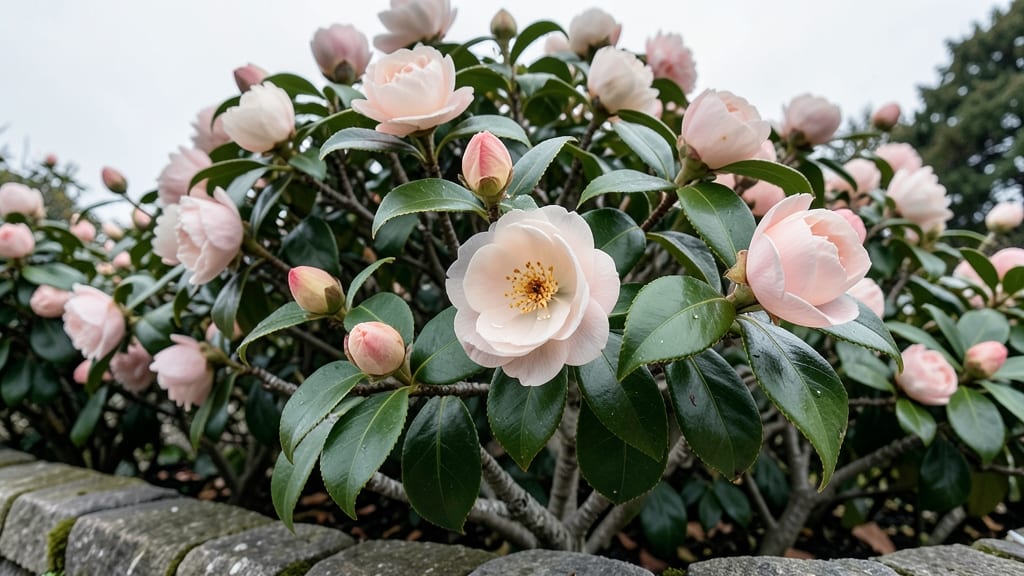
When your garden feels like it's taking a winter nap, Camellia sasanqua bursts onto the scene with its fall-to-winter blooms, proving that shade gardens can stay vibrant even when most plants are dormant. Unlike spring-blooming camellias, this variety thrives in Zone 5 winters, offering delicate pink, white, or red flowers that provide critical late-season nectar for hungry pollinators.
This evergreen shrub (6-10 feet tall) handles partial to full shade beautifully and prefers well-draining, acidic soil. Plant it where you'll enjoy its glossy foliage year-round, and watch as flowers appear from October through December, often reblooming lightly in spring. Prune lightly after blooming to maintain shape, and protect young plants with winter mulch in colder microclimates.
Perfect for gardeners who want year-round structure and winter color, Camellia sasanqua is especially magical in landscape focal points or as a specimen plant near patios where you can admire its delicate blooms up close. It's the ultimate shade garden showstopper that refuses to take a break. ✨