
Size
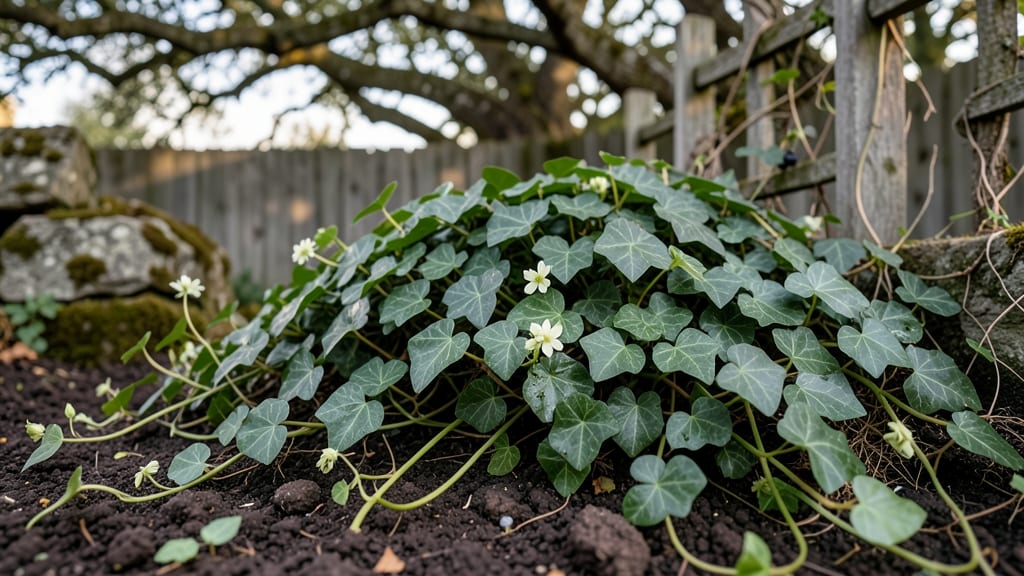
Yes, ivy grows well in shade, with varieties like Boston Ivy and English Ivy thriving in low-light conditions—though growth will be slower than in full sun. Select shade-adapted types and maintain consistent soil moisture for optimal results.
Ivy's secret to shade success lies in its ability to maximize light absorption through broad leaves and efficient chlorophyll production. 🌿 While growth may slow in deep shade, varieties like Hedera helix (English Ivy) and Hedera colchica (Persian Ivy) adapt beautifully to partial shade, making them perfect for north-facing walls or wooded areas.
The key is choosing the right species—some handle dappled light better than full shade, so always check the plant tag before buying.
For best results, focus on well-draining soil with organic matter and water consistently—ivy roots need steady moisture but hate soggy conditions. Prune regularly to encourage bushier growth and prevent leggy stems, which are common in low-light environments.
A little extra care goes a long way in keeping your ivy lush and vibrant, even without direct sunlight.
💡 In This Article
- Best Shade-Tolerant Ivy Varieties for Low-Light Gardens
- Caring for Ivy in Shade: Soil, Water, and Pruning Tips
Best shade-tolerant ivy varieties for low-light gardens
Ivy's shade adaptability comes down to its photosynthetic efficiency—certain species have evolved broader leaves and thinner cuticles to capture even dim light. For example, Hedera helix (English Ivy) thrives in 40-60% shade, thanks to its five-lobed leaves that increase surface area for light absorption.
In contrast, Hedera colchica (Persian Ivy) handles deep shade better due to its thicker leaves and deeper root systems that store moisture for extended periods without sunlight. 🌿 These structural differences explain why some ivies grow lushly under trees while others struggle.
The growth rate difference between shaded and sunny conditions is striking: Boston Ivy (Parthenocissus tricuspidata) grows 2-3 feet per year in full sun but only 1-2 feet in deep shade. However, foliage density often increases in low light, creating a fuller appearance despite slower vertical growth.
For instance, Hedera canariensis (Canary Island Ivy) maintains vibrant green leaves in partial shade (3-6 hours of indirect light daily) but may develop yellowing edges if deprived of all sunlight for months.
Leaf color variations also signal light needs: Variegated ivies (like 'Glacier' Hedera helix) require more light to maintain their white/yellow patterns, while solid-green types tolerate deeper shade.
The chlorophyll concentration adjusts automatically—plants in low light produce more chlorophyll per leaf, which is why some ivies appear darker green in shaded spots. This adaptation explains why ivy can thrive in north-facing walls or under dense canopies where other plants fail. 🌱
For gardeners, this means selecting the right variety is crucial. Dappled shade (filtered light through trees) suits most ivies, while deep shade (under dense foliage) requires hardier types like Hedera rhombea. Always check the plant tag—some labeled "shade-tolerant" actually mean partial shade, not full darkness.
The key is matching the ivy's natural habitat: Wild English Ivy grows in European forests with mixed light conditions, while Persian Ivy originates from shadier Mediterranean underbrush.
One common misconception is that all ivy grows equally in shade. In reality, climbing ivies (like Boston Ivy) need some direct light to support their vines, while ground-cover types (like 'Needlepoint' Hedera helix) thrive in deeper shade.
The root structure matters too: Shade-loving ivies develop shallower, more widespread roots to access moisture and nutrients from leaf litter, while sun-loving varieties grow deeper taproots. This explains why some ivies become leggy in low light—they're stretching toward any available light source. 🌿
To visualize the differences, imagine two gardens: One with Boston Ivy covering a brick wall in morning sun, growing aggressively; the other with English Ivy creeping under a pine tree, growing slower but with denser foliage.
The same plant species can perform differently based on light exposure, proving that "shade-tolerant" is a spectrum rather than a binary trait. Understanding these nuances lets you choose the perfect ivy for your garden's specific light conditions.