
Plants
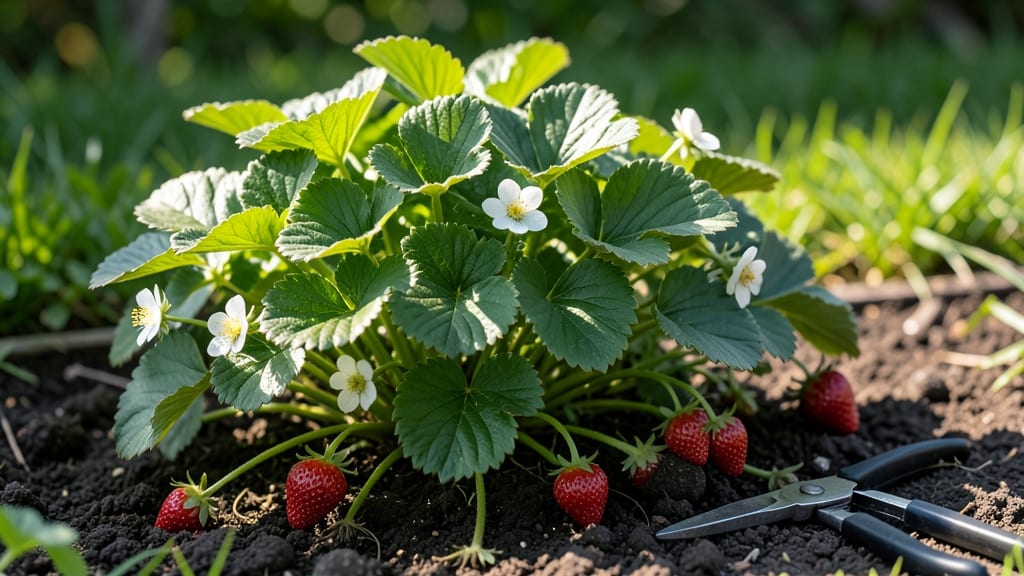
Do strawberries like the sun or shade—because the answer determines whether your harvest will be sweet and plump or sparse and sour.
You’ve probably planted strawberries only to watch them struggle—leaves turning pale, flowers dropping, or berries staying tiny. That’s often a light problem, not a soil or water issue. Getting the balance right means bigger yields and happier plants.
Most gardeners assume strawberries love nothing but sun, but the truth is more nuanced. In hot climates like USDA Zone 6a, afternoon shade can save your plants from wilting while still delivering enough light for fruit production.
The key is finding that perfect spot where they get enough sun without overheating.
Below, I’ll break down exactly how much light strawberries need, how to spot when they’re getting too much or too little, and smart ways to adjust their environment—whether you’re growing them in beds, containers, or even on a balcony.
 Best Window Placement
How much sun do strawberries need for maximum growth?
Strawberries thrive in full sun, but many gardeners wonder if they can tolerate shade—especially in hot climates. The truth is, 6 to 10 hours of sunlight daily produces the largest, sweetest berries.
Without enough light, your plants may struggle to fruit or produce small, bland berries. Let’s break down the perfect balance for your strawberry patch, whether you’re growing June-bearing or everbearing varieties.
Sunlight isn’t just about hours—it’s also about light intensity. Direct morning sun paired with afternoon shade works best in regions like the Southwest, where temperatures can scorch leaves.
Meanwhile, cooler climates like the Pacific Northwest can handle full sun all day. Understanding these nuances ensures your strawberries grow strong and productive, not stressed or stunted.
| Strawberry Type | Sunlight Needs | Ideal Hours/Day | Fruit Size Impact |
|---|---|---|---|
| June-bearing | Full sun | 8–10 hours | Largest berries, 2–3x bigger with full sun |
| Everbearing | Full sun to partial shade | 6–8 hours | Consistent yield, sweeter flavor with 6+ hours |
| Day-neutral | Partial shade (afternoon) | 4–6 hours | Smaller berries, longer harvest season |
| Alpine varieties | Partial shade | 3–5 hours | Hardy in shade, slower growth |
June-bearing strawberries, like Jewel or Chandler, demand the most sunlight—8 to 10 hours daily—to produce their signature large, flavorful berries. These varieties focus all their energy on one harvest window, so they can’t afford to skimp on light.
If you’re growing them in containers, place them on a sunny patio or balcony where they can soak up those rays without competition from taller plants.
Everbearing varieties, such as Seascape or Ozark Beauty, are more flexible but still need 6 to 8 hours of sun to thrive. They produce fruit in two waves—early season and late season—so consistent light ensures both harvests are abundant.
In hot climates, afternoon shade (like from a nearby fence or lattice) can prevent leaf burn while still allowing enough morning sun for photosynthesis.
Day-neutral strawberries, like Albion or Tristar, are the most adaptable to partial shade, making them ideal for woodland gardens or areas with dappled sunlight. They’ll produce berries year-round but expect smaller yields if they get less than 4 hours of light.
These varieties are perfect for shady patios or under fruit trees where other plants might struggle.
Regional adjustments are key. In the Southeast, where summers are brutal, afternoon shade (3–4 PM) can save your plants from wilting. Use shade cloth (30–50% coverage) or plant near taller crops like corn or sunflowers to filter harsh rays.
Meanwhile, in the Northeast, where summers are milder, full sun is ideal—just ensure your soil stays moist to prevent stress.
Light intensity also affects fruit ripening. Strawberries grown in low-light conditions often develop paler berries with less sugar. To boost sweetness, supplement with a balanced fertilizer (like 10-10-10) and ensure your plants get their full sun requirements.
If you notice small, hard berries, it’s a sign they’re not getting enough light to develop properly.
For container growers, position pots where they’ll receive unobstructed sunlight. South-facing windows or balconies are ideal, but rotate containers weekly to ensure even growth. If your strawberries start leaning toward the light, it’s a clear sign they’re light-deprived.
In ground beds, avoid planting under dense trees or structures that cast long shadows—strawberries need consistent light, not sporadic bursts.
Pro tip: Use a sunlight meter or observe your plants’ shadows at solar noon (around 12 PM). If the shadow is shorter than your hand, they’re likely getting enough light. If it’s longer, consider relocating or adding a reflective surface (like white gravel) to bounce extra light onto the plants.
Remember, strawberries are perennials, so their sunlight needs change over time. Young plants can tolerate partial shade while establishing roots, but once they start flowering, they’ll demand more light.
Plan ahead by choosing a permanent spot that gets at least 6 hours of sun—your future harvests will thank you!
Signs your strawberries are getting too much sun or too little
Strawberries are sun-loving plants, but they can suffer when exposed to excessive heat or insufficient light. Too much sun causes leaf scorch and fruit burn, while too little light leads to weak growth and poor fruiting.
Learning to spot these signs early helps you adjust care before your harvest suffers.
One of the first clues your strawberries are getting too much sun is yellow or brown leaf edges. This leaf scorch appears on older leaves first and spreads quickly on hot, dry days.
You may also notice white or gray patches on fruits, a sign of sunburn that ruins flavor and texture.
On the other hand, pale green or yellow leaves with long, leggy stems signal insufficient sunlight. These plants stretch toward light, producing fewer flowers and smaller berries. Without enough light, strawberries may even stop fruiting entirely, leaving you with mostly leaves.
Too Much Sun vs. Too Little Sun for Strawberries
If your strawberries show signs of too much sun, try partial shade solutions like dappled light from nearby trees or shade cloth (30-50% coverage). For afternoon sun protection, plant near a north-facing fence or use a lattice with climbing plants to filter light.
For underlit strawberries, relocate them to a south-facing spot or prune nearby tall plants blocking sunlight. If container-grown, move pots to a sunniest windowsill or outdoor balcony. Reflective surfaces like white walls or mulch can also bounce extra light onto plants.
Regularly check your strawberries for color changes and growth patterns. Adjust their sun exposure gradually—sudden changes can stress plants. With the right balance, you’ll enjoy juicy, sweet berries all season long! 🍓