
Plants
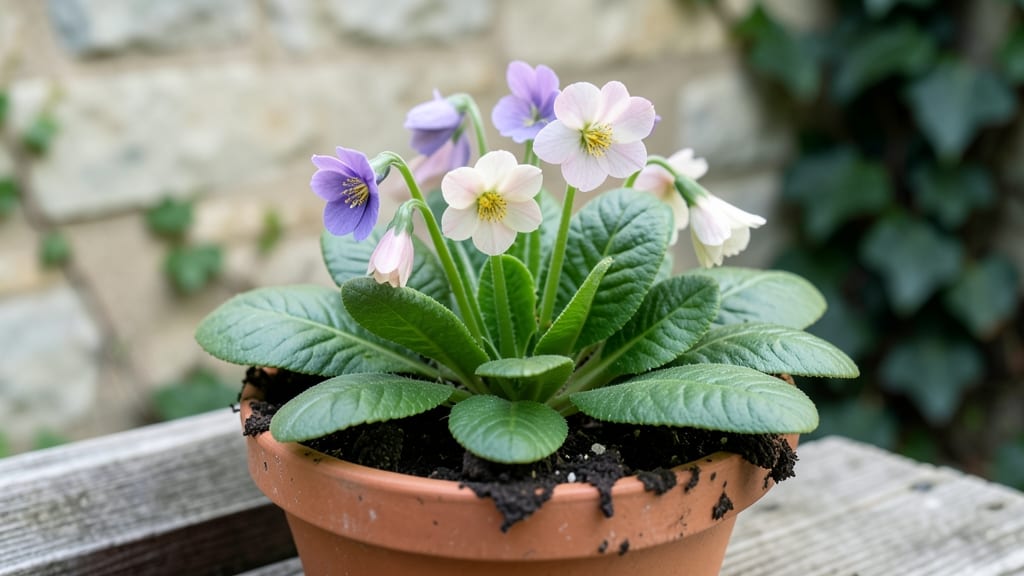
Do primroses like sun or shade? They actually prefer the latter, with just 3-6 hours of morning sun—the secret to keeping those 🌸 blooms vibrant all season.
Struggling to keep your primroses blooming all season? The battle between sun and shade could be the secret to their success—or failure. Too much direct sun scorches delicate leaves, while too little shade stunts growth and weakens stems.
Most primroses, like Primula vulgaris, prefer dappled light—think woodland edges or under tall trees—but alpine varieties can handle more sun. In hotter climates (like USDA Zone 6a), afternoon shade is a must to prevent leaf burn.
Below, I’ll break down the best light balance for your primroses, how to adjust conditions for year-round blooms, and which companion plants keep them thriving without the guesswork.
 Best Window Placement
Primrose light requirements: sun vs shade breakdown for optimal growth
Primroses are delicate yet resilient perennials that thrive when their light requirements are met precisely. Unlike sun-loving plants, most primroses prefer partial shade, but their needs vary dramatically by variety.
Understanding these differences is key to preventing leaf burn, leggy stems, or sparse blooms—all common signs of light stress. Let’s break down how to give your primroses the perfect balance of sun and shade for year-round beauty.
Woodland primroses, like Primula vulgaris, evolved in dappled forest understories where sunlight filters through canopy leaves. These varieties tolerate 3-4 hours of morning sun but will scorch in direct afternoon rays.
Alpine primroses, such as Primula denticulata, are hardier and can handle slightly more sun—up to 6 hours daily—but still need protection from harsh midday heat. Hybrid varieties often fall somewhere in between, making them versatile for gardeners with mixed-light conditions.
Key takeaway: Most primroses need morning sun and afternoon shade. This schedule mimics their natural habitat and prevents heat stress. In hot climates (Zones 7-9), even woodland types may benefit from afternoon shade cloth to avoid wilting. Conversely, in cooler regions (Zones 3-5), they can tolerate more sun, especially if the soil stays consistently moist.
One of the most common mistakes I see is placing primroses in full sun, especially in containers where soil dries out faster. When roots bake, the plant diverts energy from blooming to survival, resulting in leggy, weak stems and fewer flowers.
To fix this, move potted primroses to a spot with dappled sunlight—think filtered light through sheer curtains or a lattice screen outdoors.
For in-ground primroses, observe their leaf color as a quick health check. Deep green leaves with vibrant veins indicate ideal light. If leaves turn yellow or brown, they’re getting too much sun.
Conversely, pale, stretched-out leaves signal insufficient light. In both cases, adjust their position gradually—primroses adapt slowly to sudden changes in light exposure.
Seasonal adjustments are crucial, too. In summer, primroses may need more shade to avoid wilting, while in winter, they might benefit from a south-facing window or supplemental grow lights to prevent dormancy.
If you’re in a high-desert climate, like Zone 6, morning sun is ideal, but afternoon shade is non-negotiable. In humid climates, like Zone 8, prioritize airflow and shade to prevent fungal issues.
Pro tip: Group primroses with companion plants that provide natural shade, like hostas or ferns. This mimics their woodland habitat while adding texture to your garden. Avoid pairing them with aggressive sun-lovers, such as daylilies, which can outcompete them for light and nutrients.
If your primroses are already struggling, don’t despair. With the right light adjustments, they’ll bounce back in just a few weeks. Start by moving them to a shadier spot and monitor their response.
Within 7-10 days, you should see improved leaf color and stronger stems—proof that you’ve cracked the sun vs. shade code for your primroses!
Remember, primroses are not one-size-fits-all plants. Tailor their care to their specific type, and you’ll be rewarded with prolonged blooming and lush foliage all season long. Happy gardening! 🌿
How to adjust light conditions for year-round primrose blooms
Primroses thrive in partial shade, but finding the perfect balance between sun and shade can feel like solving a puzzle. Too much direct sunlight causes leaf scorch, while too little shade leads to leggy stems and sparse blooms.
The key is mimicking their natural woodland habitat with dappled sunlight—think morning sun with afternoon shade protection.
Start by observing your garden’s light patterns. East-facing beds often provide ideal morning sun, while west-facing spots can scorch primroses in afternoon heat. If your garden lacks natural shade, use light-colored mesh screens or lattice structures to filter harsh rays while allowing indirect light to reach the plants.
⚠️ callout warning ⚠️
Exposing primroses to direct afternoon sun (1 PM–5 PM) causes leaf burn and wilting. Even 2–3 hours of intense afternoon rays can stress the plants, leading to yellowing foliage and fewer blooms. If your garden has no shade options, relocate primroses to a north-facing window indoors or under 30% shade cloth during peak heat.
💡 Pro Tip:
Test your garden’s light with a light meter app or place a white sheet of paper near your primroses. If the paper turns yellow within 2 hours, the area is too sunny.
Seasonal adjustments are critical. In summer months, primroses may need extra shade—try placing them under deciduous trees like maples or birches, which naturally filter light as leaves grow.
Conversely, in winter, when days are shorter, move potted primroses to south-facing windows or supplement with a grow light for 4–6 hours daily to prevent light deprivation.
For container gardening, rotate pots quarter-turns weekly to ensure even light exposure. If your balcony or patio faces south, position primroses against a wall or fence to block the harshest rays.
Remember, woodland primroses (like Primula denticulata) tolerate less light than alpine varieties (like Primula auricula), which can handle up to 4 hours of sun.
Troubleshoot light issues by checking for common signs: Pale green leaves mean too little light, while brown edges signal sunburn. Adjust gradually—primroses adapt best to slow changes in light exposure. Start with 1–2 hours of morning sun and increase by 30 minutes weekly if no stress appears.
With the right light balance, your primroses will reward you with continuous blooms from early spring through fall. Experiment with microclimates in your garden, and don’t hesitate to protect them from extreme conditions. Your efforts will pay off in a vibrant, year-round display of color! 🌸