
Plants
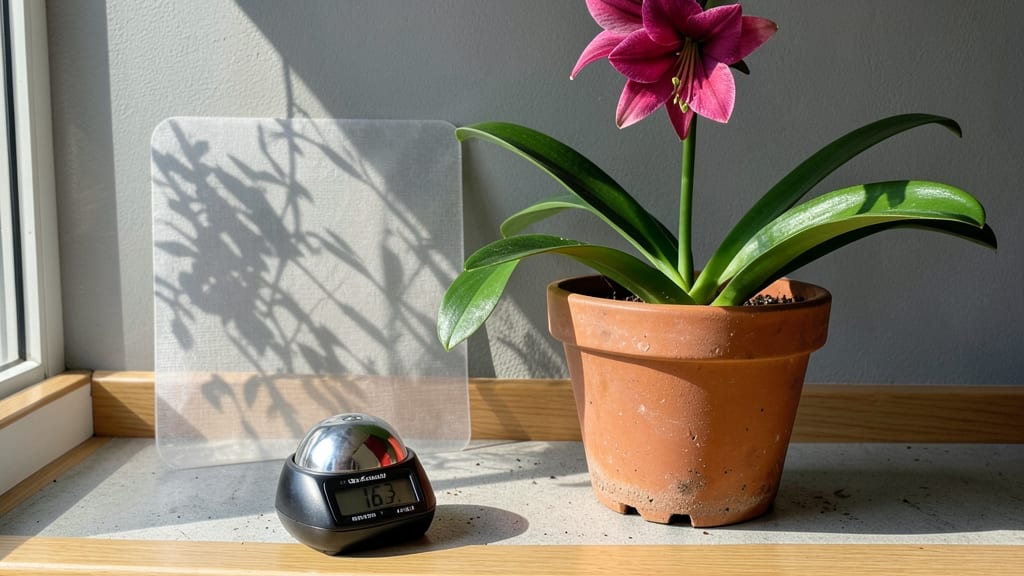
Do amaryllis like sun or shade—this striking plant actually craves bright, indirect light, where partial sun helps coax out those showstopping 🌸 blooms.
Here’s the catch: too much direct sun scorches the leaves, while too little shade stunts growth and kills blooms. Most gardeners overcorrect by moving their plants between sun and shade, which stresses the bulbs.
The real trick? Mimicking dappled forest light indoors or placing them where morning sun fades by midday.
Indoor growers often struggle with this balance, especially in small apartments where windows are limited. Outdoor amaryllis in Zone 6 need afternoon shade in summer, but even then, they crave bright conditions.
I’ll show you how to spot when your plant is begging for more (or less) light—think yellowing leaves or leggy stems—and how to fix it fast.
By the end, you’ll know exactly where to place your amaryllis for bold, repeat blooms—no guesswork, just science-backed care. Let’s get those bulbs happy.
 Best Window Placement
Amaryllis light requirements: sun vs shade breakdown for healthy growth
Amaryllis plants thrive on bright, indirect light—not too much sun, not too little shade. These tropical bulbs need a balanced light exposure to produce their iconic blooms, but the exact needs change depending on whether they're dormant, growing foliage, or flowering.
Too little light leads to weak stems and no flowers, while too much direct sun scorches their leaves. Let’s break down the perfect light balance for each stage of growth.
The key to amaryllis success is understanding their photosynthesis efficiency. During the foliage growth stage, they need bright indirect light (4-6 hours/day) to build energy for blooming. In bloom stage, they tolerate slightly more light but still prefer morning sun with afternoon shade.
When dormant, they need minimal light—just enough to keep the bulb alive until spring.
🌱
| Growth Stage | Ideal Light Conditions | Light Duration | Signs of Stress |
|---|---|---|---|
| Dormancy | Low light (near window or under grow lights) | 2-4 hours indirect light | Shriveled leaves, no new growth |
| Foliage Growth | Bright indirect light (east/west window) | 4-6 hours daily | Yellowing leaves, elongated stems |
| Blooming | Morning sun + afternoon shade | 5-6 hours total | Bud drop, weak stems, no flowers |
During the foliage growth stage, amaryllis bulbs need bright indirect light to produce strong stems and healthy leaves. Place them near an east or west-facing window where they’ll receive gentle morning sunlight without harsh afternoon rays.
If you notice yellowing leaves or stretched stems, they’re not getting enough light—move them closer to a brighter spot or add a grow light for 12-14 hours daily.
When amaryllis enter the blooming stage, they can handle slightly more light—up to 5-6 hours of morning sun followed by afternoon shade. This prevents leaf scorch while ensuring the flower buds develop properly. If your amaryllis fails to bloom, it’s often due to insufficient light during foliage growth.
The bulb needs to store enough energy (via photosynthesis) to produce flowers, and weak light means weak blooms—or none at all.
🌿
Outdoor amaryllis planted in USDA Zone 8-10 can handle partial shade during summer’s intense heat, but they still need bright light to bloom. In containers, rotate them weekly so all sides get even light exposure.
If you see reddish-purple streaks on leaves, it’s a sign of too much direct sun. Move them to a shadier spot immediately to prevent permanent damage.
The dormancy stage is when amaryllis need the least light—just enough to stay alive until spring. Store dormant bulbs in a cool, dark place (like a basement) with only 2-4 hours of indirect light per week.
Too much light during dormancy can trigger premature growth, weakening the bulb for next season’s blooms.
💡
For indoor amaryllis, a south-facing window can be too intense—use sheer curtains to diffuse the light. If your home lacks natural light, supplement with a full-spectrum LED grow light placed 6-12 inches above the plant.
Keep lights on for 12-14 hours daily during the growing season to mimic natural daylight cycles and encourage robust foliage and blooms.
Pro tip: Monitor your amaryllis’ leaf color as a light gauge. Deep green leaves mean ideal light; pale yellow leaves signal insufficient light; and brown or crispy edges mean too much sun. Adjust their position based on these visual cues to keep your amaryllis thriving year after year.
How to adjust light for indoor vs outdoor amaryllis success
Amaryllis thrives on bright indirect light—the Goldilocks zone of gardening. Too little light, and your bulb won't bloom; too much direct sun, and those stunning petals scorch. The challenge?
Balancing this for indoor houseplants versus outdoor garden beds, especially when seasons shift. I’ve learned the hard way that amaryllis hate sudden light changes, so gradual adjustments are key.
Indoor amaryllis need 4-6 hours of filtered light daily, while outdoor plants can handle morning sun with afternoon shade. The trick is monitoring leaf color: deep green means perfect light, while pale or yellowing leaves scream for adjustment.
Let’s break down how to get it right for both settings without shocking your plants.
🌱 Key Light Adjustments for Amaryllis Success
- 1. Indoor Placement: East or west windows provide ideal morning/afternoon light. South windows? Use sheer curtains to diffuse harsh rays.
- 2. Artificial Light Hack: Place grow lights 6-12 inches above for 12-14 hours daily if natural light is weak (LED bulbs at 5000K work best).
- 3. Outdoor Transition: Acclimate indoor plants by moving them outside for 1 hour daily, increasing time weekly to avoid leaf burn.
- 4. Seasonal Shift: In summer, move outdoor amaryllis to partial shade (50% sun block) to prevent wilting or scorched blooms.
- 5. Dormancy Light: Reduce light to 4 hours daily during winter dormancy to signal the bulb to rest.
For indoor amaryllis, I rotate my pots quarter-turn weekly to prevent lopsided growth toward the light source. A simple trick that makes a world of difference! If your plant stretches toward the window with spindly stems, it’s begging for more light—just don’t blast it with direct sun.
Outdoor amaryllis in USDA Zone 6+ need protection from midday sun (11 AM–3 PM). I’ve seen blooms fade to brown in just hours under full sun. Instead, plant them where they get morning sun and dappled shade, like under tall trees or on a north-facing patio.
When transitioning between indoor and outdoor, I harden off my amaryllis over 2 weeks. Start with 30 minutes outside on a cloudy day, then gradually increase time and sun exposure. This mimics natural conditions and prevents the shock that often kills blooms mid-season.
Pro tip: Use a light meter app (like PlantNet) to track lux levels—aim for 10,000–15,000 lux for blooming success. If your space falls short, supplement with a full-spectrum LED bulb for 4 hours daily during dormancy to keep bulbs healthy for next year’s flowers. 🌸