
Shrubs
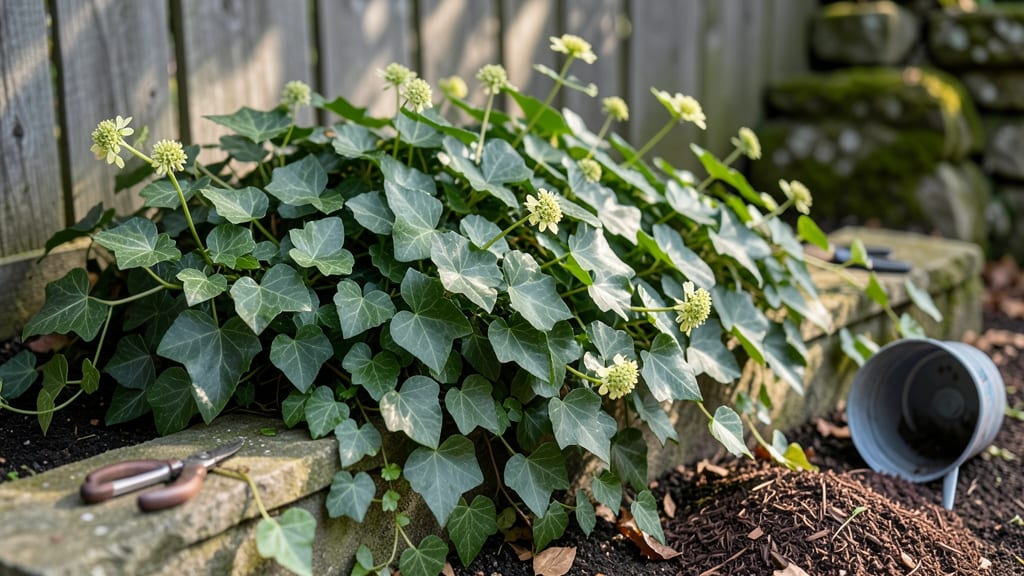
Fast-growing creepers for shade turned my dark corner into a lush, green retreat. 🌿 I used to think shade meant sacrificing beauty, but these plants prove you can have vibrant growth without direct sunlight. They thrive where most plants struggle, creating instant privacy and texture with minimal effort.
My go-to choices are creeping fig and English ivy—they spread quickly, handle low light, and adapt to various shade levels from dappled to deep. For containers, pothos is a game-changer, cascading elegantly while requiring almost no maintenance.
The key is matching the plant to your shade level: some tolerate full shade, while others need just a few hours of filtered light.
Within a season, you'll see walls transformed into living tapestries, ground cover filling bare spots, and containers bursting with trailing vines. The best part? These plants clean the air, reduce noise, and create a serene atmosphere—all while staying lush and green when others fade.
Perfect for patios, fences, or vertical gardens where sunlight is scarce.
Start small with a single pot or section, then expand as you see how they grow. They're forgiving, adaptable, and will reward your patience with a thriving, shaded oasis that feels like a secret garden. Ready to bring life to your darkest corners?
📚 In This Guide
- What you need
- Instructions
- Tips and common mistakes
- Wrapping up and next steps
What you need
- ● Creepers for shade (3–5 plants): Native or shade-tolerant varieties like Hedera helix (English ivy), Lonicera japonica (Japanese honeysuckle), or Parthenocissus quinquefolia (Virginia creeper).
- ● Check local climate zones for hardiness (Zones 4–9 recommended for most).
- ○ Soil amendments (optional but helpful): 1–2 bags of compost or well-rotted manure (per 10 sq. ft. of area).
- ● 1 cup organic mulch (e.g., shredded bark or pine needles) to retain moisture.
- ● Support structures (if needed): Trellises, arbors, or fences (8–10 ft. tall/long, depending on coverage goals).
- ● Or, wire mesh (for climbing varieties like ivy).
- ● Tools: Garden trowel or spade
- ● Pruning shears (for trimming)
- ● Gloves (to protect hands from thorns or sap)
- ● Watering can or hose (with a gentle spray nozzle)
- ● Slow-release fertilizer (balanced 10-10-10 or organic options like fish emulsion).
- ● Mulch fabric (to suppress weeds in the early stages).
- ● Plant stakes or ties (for securing young vines).
- ● Drip irrigation kit (for consistent watering in deep shade).
Step-by-Step guide to planting fast-growing creepers in shady spots
Here’s how to create lush, quick privacy screens where sunlight barely reaches.
🌱 Step 1: Choose the Right Fast-Growing Shade-Tolerant Creepers
Not all creepers thrive in deep shade, so pick varieties like English ivy (Hedera helix), Boston ivy (Parthenocissus tricuspidata), or star jasmine (Trachelospermum jasminoides)—all of which grow 12-24 inches per year in low-light conditions. Check the plant tag for shade tolerance before buying.
I always opt for container-grown plants (not bare-root) because they establish faster. Look for healthy, vibrant foliage with no yellowing leaves—those are signs of stress from poor growing conditions. If you’re starting from seed, expect 6-12 months before you see meaningful coverage, so transplants are your best bet for speed.
🪴 Step 2: Prepare the Planting Area for Optimal Growth
Clear the area of weeds and debris, then loosen the soil to a depth of 12 inches with a garden fork or tiller. Amend the soil with 2-3 inches of compost to improve drainage and fertility—creepers in shade need rich, well-draining soil to prevent root rot. If your soil is heavy clay, mix in 1 part perlite per 3 parts soil to aerate it.
Dig holes twice as wide as the root ball but only as deep as the container. Place the plant so the top of the root ball sits 1 inch below ground level—this helps stabilize the plant and encourages root spread. Gently backfill with soil, pressing lightly to remove air pockets but not compacting too firmly.
💧 Step 3: Plant and Water for Immediate Establishment
Space plants 3-6 feet apart, depending on the variety—closer for faster coverage with slower growers like star jasmine, wider for aggressive creepers like English ivy. Water deeply right after planting to settle the soil and eliminate air gaps around the roots. You’ll know it’s enough when water drains out the bottom of the hole.
Mulch the area with 2-3 inches of shredded bark or wood chips to retain moisture and suppress weeds. Keep the mulch 3 inches away from the plant stems to prevent rot. Water every 2-3 days for the first 2 weeks, then taper to once a week once the plants show new growth—shade-loving creepers need consistent moisture but hate soggy roots.
☀️ Step 4: Provide Support and Monitor Growth
Install a trellis, fence, or wire mesh immediately to give the creepers something to climb. Secure the plants to the support with soft plant ties or clips—avoid wire or anything that can cut into the stems as they grow. For ground cover, let the vines spread naturally but trim back any that wander into unwanted areas.
Watch for new leaf growth in 4-6 weeks—that’s your sign the plants are establishing. If leaves yellow or drop, you’re either overwatering or the soil is too compacted. Prune leggy growth in early spring to encourage bushier, denser coverage. With the right care, you’ll see noticeable privacy in just 1-2 seasons.
Tips & tricks for fast-growing shade creepers
Here’s what I’ve learned from years of growing shade-loving creepers—these tricks help you skip the common pitfalls and get that lush privacy screen faster.
Plant Selection: In Step 1, don’t just grab any shade-tolerant creeper—look for container-grown plants with vibrant green leaves and no yellowing. I’ve seen too many people buy stressed plants that struggle to establish. The 12-24 inches per year growth rate is only accurate if you start with healthy stock. If you’re on a tight timeline, opt for English ivy—it’s the most aggressive grower in low light.
Soil Prep Secret: When you’re loosening soil to 12 inches deep in Step 2, don’t stop there. If your soil is particularly dense, run a garden fork vertically in a cross pattern to break up compaction. This creates channels for roots to spread faster. For clay soil, I mix in 1 part perlite per 3 parts soil—it’s worth the extra effort to prevent waterlogging, which is a silent killer for shade plants.
Watering Strategy: The every 2-3 days for 2 weeks rule in Step 3 is critical, but here’s the trick: water in the early morning so leaves dry quickly. Wet foliage in shade can encourage fungal issues. After the initial 2 weeks, I check soil moisture by sticking my finger 1 inch deep—if it’s dry, that’s when I water. Overwatering is the #1 reason shade creepers fail.
Support System: In Step 4, don’t wait to install your trellis or fence—put it in right after planting. Creepers grow surprisingly fast once established, and they’ll spiral around anything nearby if given the chance. For aggressive varieties like English ivy, I use heavy-duty wire mesh because it lasts longer than wooden trellises. Secure plants immediately with soft ties to prevent stem damage as they grow.
Pro Tips for Creepers For Shade
- Here’s what I’ve learned from years of growing shade-loving creepers—these tricks help you skip the common pitfalls and get that lush privacy screen faster.
- Plant Selection: In Step 1, don’t just grab any shade-tolerant creeper—look for container-grown plants with vibrant green leaves and no yellowing.
- Soil Prep Secret: When you’re loosening soil to 12 inches deep in Step 2, don’t stop there.
Frequently asked questions
Got questions about using creepers for shade? You’re not alone! Here are answers to the most common concerns—from planting tips to troubleshooting—so you can grow a lush, private green wall with confidence.
What are the fastest-growing creepers for deep shade?
For fastest results, opt for English ivy (Hedera helix) or Boston ivy (Parthenocissus tricuspidata)—both tolerate shade and grow 1-2 feet per year. Star jasmine (Trachelospermum jasminoides) is another great choice, though it’s slower (12-18 inches/year). Avoid vines like wisteria or clematis; they need full sun to thrive.
How long does it take for creepers to provide full shade?
With consistent care, most shade-loving creepers take 2-5 years to create a dense canopy. Ivy and jasmine can close gaps faster (1-3 years) if pruned regularly to encourage bushiness. Pro tip: Use a trellis or fence to guide growth upward—this speeds up coverage by 30-50%!
Will creepers survive in very dark shade (e.g., under trees)?
Yes! English ivy and Hoya (e.g., Hoya carnosa) are top picks for low-light spots. Just ensure they get dappled sunlight (even indirect rays) for photosynthesis. If leaves yellow, they may need more light or better drainage. Warning: Avoid waterlogged soil—root rot is a common killer in deep shade.
Can I use creepers instead of a privacy fence?
Creepers like star jasmine or climbing hydrangea (Hortensia petiolaris) make stunning, low-maintenance alternatives to fences. They’re cheaper, blend into landscapes, and block noise/light beautifully. Just ensure your structure (e.g., pergola, chain-link) is sturdy enough—some vines (like ivy) can weigh 20+ lbs per linear foot when mature!
What should I do if my creepers stop growing or look sick?
Check these fixes first:
Yellow leaves? Overwatering or poor drainage. Let soil dry slightly between waterings.
No new growth? Needs more light or nutrients. Try a balanced fertilizer (e.g., 10-10-10) in spring.
Pests (aphids, spider mites)? Spray with neem oil or introduce ladybugs.
Leggy or weak? Trim back by 1/3 to encourage bushier growth.
If problems persist, your creeper may need replacement—some varieties (like ivy) are tough, while others (e.g., Parthenocissus quinquefolia) prefer partial shade.
Wrapping up and next steps
Transforming your shady spots into lush, private retreats is easier than you think! 🌿 With the right creepers for shade, you can enjoy fast-growing, low-maintenance privacy without sacrificing beauty.
Whether you’re drawn to English Ivy, Star Jasmine, or Honeysuckle, these plants thrive where others falter—proving that shade doesn’t mean sacrificing style.
Ready to take action? Start by assessing your space, gathering supplies, and planting your chosen creeper. Watch your garden flourish in no time—your future self (and your neighbors!) will thank you. Get growing today!