
Light Requirements
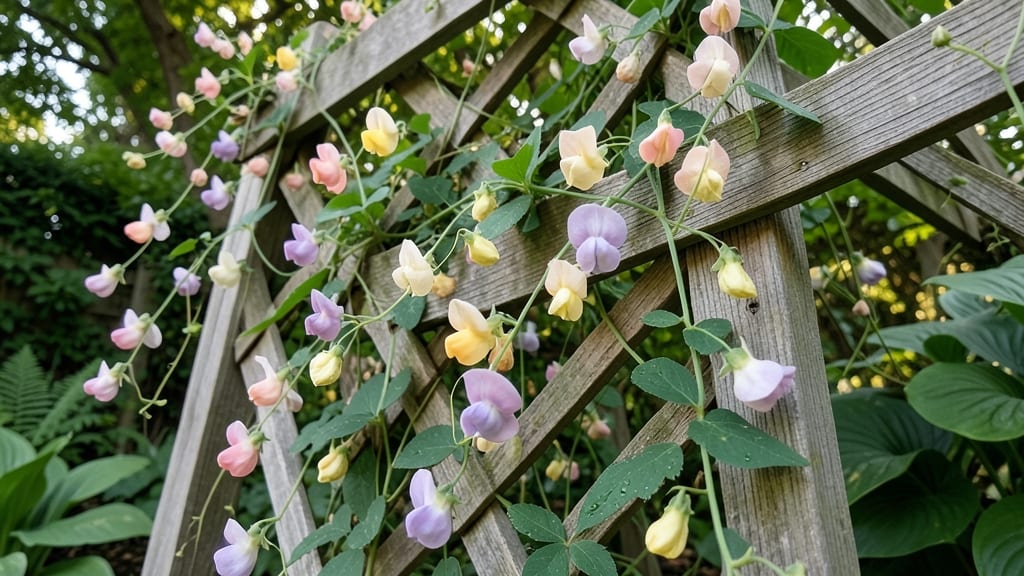
Transform shady walls, fences, or trellises into vibrant vertical gardens with these 10 climbing plants that flourish in partial shade. Perfect for urban balconies, woodland edges, or north-facing gardens where sunlight is limited.
Clematis Jackmanii for Dramatic Vertical Drama

Want to turn a shady corner into a dramatic floral statement without sacrificing sunlight? Clematis Jackmanii delivers bold, deep purple blooms that thrive in partial shade with morning sun, making it ideal for pergolas, arbors, or trellises in woodland gardens or urban courtyards.
This vigorous climber produces 6-inch-wide flowers from early summer through fall, with minimal care. Plant it near a sturdy support and water deeply once established—it’s surprisingly drought-tolerant once rooted. Prune in late winter to encourage new growth, and watch it transform bare walls into a romantic, velvety curtain of color.
Perfect for gardeners who love high-impact blooms with low fuss, Jackmanii pairs beautifully with shade-loving perennials at its base. 🌱
Honeysuckle Lonicera Periclymenum for Fragrant Climbs

If you crave a garden that wakes up your senses every evening, **honeysuckle (Lonicera periclymenum) is your secret weapon. This hardy climber thrives in partial shade, transforming dull walls or trellises into fragrant havens with its golden tubular blooms that perfume the air from summer through autumn.
Unlike sun-loving climbers, this variety tolerates dappled shade while still attracting bees, butterflies, and hummingbirds. Plant it near seating areas or patios to enjoy its honey-scented blooms at their peak in late afternoon. Prune lightly after flowering to encourage bushier growth, and watch it cascade effortlessly over structures up to 15 feet tall.
Perfect for scent enthusiasts and pollinator gardens, it’s especially rewarding for those with woodland edges or north-facing spaces** where fragrance is often lacking. 🌿
Ivy Hedera Helix for Evergreen Coverage

If you’ve ever struggled with a bare, unsightly wall or an eyesore fence, English ivy (Hedera helix) is your low-maintenance solution. This hardy evergreen climber thrives in full to partial shade, making it ideal for covering structures where sunlight is scarce—while adding lush, year-round greenery.
Unlike flowering climbers, ivy doesn’t need pruning to stay attractive and can cover 10+ feet of vertical space in just a few years. It clings naturally to surfaces using aerial rootlets, so no trellis is required—just plant it at the base of your target area and let it do the work. Choose variegated varieties like 'Glacier' for a striking contrast against brick or stone.
Perfect for urban gardeners, woodland edges, or rocky slopes, ivy’s drought tolerance and wildlife-friendly foliage make it a top choice for effortless shade coverage. 🌿
Climbing Hydrangea Hydrangea Petiolaris for Lush Foliage

Skip the flowers—this climbing hydrangea (Hydrangea petiolaris) steals the show with its glossy, tropical foliage that thrives in deep shade where most climbers fail. Unlike its flowering cousins, this variety focuses entirely on creating a lush, evergreen backdrop with large, heart-shaped leaves that cling dramatically to walls, trellises, or pergolas.
Plant it in well-draining soil with morning shade and afternoon filtered light for best results, and watch it grow 10-15 feet tall with minimal support. The leaves develop a deep green hue in summer and turn bronze-red in winter, adding seasonal interest. Prune lightly in late winter to shape growth, but avoid heavy cuts—this plant relies on its sturdy aerial roots to anchor itself naturally.
Perfect for urban gardeners with shady balconies or woodland gardeners seeking low-maintenance vertical drama, it’s the ideal choice when you want texture over blooms. 💚
Star Jasmine Trachelospermum Jasminoides for Nighttime Perfume

Transform your evening garden into a sensory retreat with star jasmine (Trachelospermum jasminoides), a climber that releases its intoxicatingly sweet fragrance at night—when most gardens are silent. Unlike daytime-scented flowers, this evergreen vine thrives in partial shade, making it perfect for balconies, patios, or shaded trellises where you unwind after sunset.
Plant it in well-draining soil with 3-6 hours of filtered light, and provide a trellis or fence for support—its glossy, dark green leaves create a lush backdrop while the star-shaped white flowers bloom from late spring through fall. Prune lightly in early spring to shape growth, and enjoy its night-blooming perfume that attracts evening pollinators like moths. It’s drought-tolerant once established, making it low-maintenance for busy gardeners.
Ideal for urban balconies, courtyard gardens, or romantic shaded entrances, star jasmine turns ordinary spaces into fragrant sanctuaries. 🌻
Passionflower Passiflora Caerulea for Exotic Beauty

Bring a touch of the tropics to your shaded garden with passionflower (Passiflora caerulea), a climber that produces exotic, intricate blue and purple blooms even in partial shade. Unlike sun-loving vines, this hardy perennial thrives in warmer climates with morning sun and afternoon shade, making it perfect for pergolas, arbors, or trellises where other plants struggle.
Its 3-inch-wide flowers feature delicate filaments and a striking yellow center, while its tendrils cling naturally to supports. Plant in well-draining soil and water moderately—it’s drought-tolerant once established. Deadhead spent blooms to encourage more flowers, and watch it transform any vertical space into a whimsical, tropical oasis.
Ideal for gardeners in USDA zones 5-9 who want year-round interest, passionflower’s unique blooms and edible fruit (passionfruit) add both beauty and intrigue to shaded gardens. 🌷
Cobaea Scandens for Moonflower Vines

Turn your shaded garden into a magical nighttime retreat with cobaea scandens, also known as moonflower vines. This enchanting climber produces large, trumpet-shaped white flowers with striking purple centers that bloom exclusively after dark, filling evening air with a fairy-tale ambiance.
Thriving in partial to full shade, moonflowers grow 10-15 feet tall with minimal sunlight, making them perfect for arbors, fences, or trellises in woodland gardens or urban courtyards. Plant seeds directly in spring after frost, and provide a sturdy support—this fast-growing annual can reach maturity in just two months. Deadhead spent blooms to encourage more flowers, and watch as your garden transforms into a whimsical night garden that glows under moonlight.
Ideal for gardeners who love dramatic, low-light blooms with minimal effort, moonflowers are especially magical for creating romantic evening spaces or adding surprise to shaded garden corners. ✨
Climbing Fuchsia Fuchsia Magellanica for Hummingbird Magnet

Bring the buzz of hummingbirds to your shaded balcony or patio with climbing fuchsia (Fuchsia magellanica), a vibrant climber that thrives in partial shade while producing dangling red and purple bell-shaped flowers that hummingbirds can’t resist. Unlike sun-loving climbers, this variety tolerates morning sun with afternoon shade, making it perfect for urban containers or trellises where direct sunlight is scarce.
Plant it in well-draining soil and provide a lightweight trellis or wire support—its trailing habit creates a cascading effect that spills beautifully over edges. Water consistently to keep the soil moist but not soggy, and pinch back leggy stems in spring to encourage bushier growth. The early summer to fall blooms provide nectar for hummingbirds while adding a pop of color to shady spots.
Ideal for container gardens, small balconies, or woodland edges, this fuchsia is a game-changer for pollinator lovers who want year-round interest without sacrificing shade tolerance. 🌟
Virginia Creeper Parthenocissus Quinquefolia for Seasonal Color

Looking for a low-maintenance climber that turns your shaded fence or wall into a fall spectacle? Virginia creeper (Parthenocissus quinquefolia) delivers vibrant red foliage in autumn while thriving in partial shade—no flowers needed for drama.
This native North American vine grows 15-25 feet tall with minimal care, clinging naturally to surfaces using adhesive pads (no trellis required). Plant in well-draining soil with 3-6 hours of filtered light, and water moderately—it’s drought-tolerant once established. The five-leaflet leaves turn fiery red, orange, or purple in fall, creating a stunning backdrop for any shaded structure.
Perfect for urban gardeners, woodland edges, or large fences, Virginia creeper is non-invasive (unlike ivy) and supports wildlife like birds. Just avoid planting near foundations—its roots can spread. 🌟
Sweet Pea Lathyrus Odoratus for Edible Blooms

Want to add both beauty and edible charm to your shaded garden without sacrificing sunlight? Sweet pea (Lathyrus odoratus) is your secret weapon—a fragrant, fast-growing annual that thrives in partial shade while producing delicate blooms you can eat. Unlike most climbers, it’s perfect for containers, small trellises, or even balcony railings where space is limited.
Plant seeds in cool spring soil (4-6 weeks before last frost) for 60-70 day maturity, and watch them twine up supports with 1-2 inch fragrant flowers in shades of pink, purple, or white. The blooms are edible—add them to salads or garnishes—and their honey-like scent attracts bees while filling shaded spaces with charm. Deadhead spent flowers to prolong blooming, and enjoy their quick coverage (growing 3-6 feet tall in one season).
Ideal for container gardeners, urban balconies, or cut-flower enthusiasts, sweet peas turn any shaded corner into a romantic, edible garden with minimal fuss. 🌻