
Size
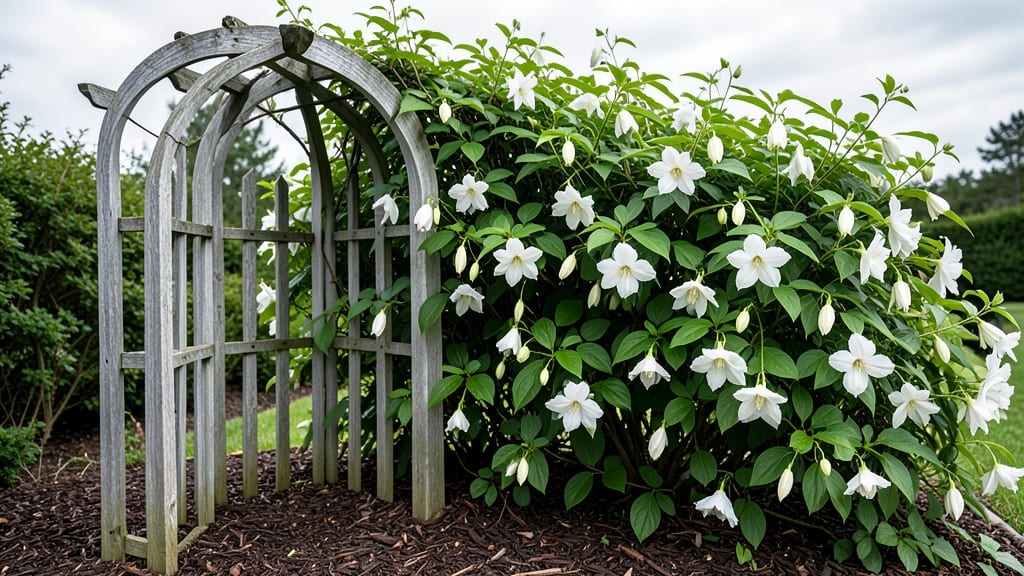
The climbers that grow in shade I used to overlook now transform my yard’s darkest nooks into thriving vertical escapes—proving vines don’t need sun to shine. They’re perfect for fences, arbors, or even walls where sunlight barely reaches.
Some, like Honeysuckle or Clematis, tolerate dappled shade, while others, such as Ivy or Virginia Creeper, handle deep shade like champions. The key is matching the plant to your shade level—no guesswork needed.
You’ll love how they transform bare walls into living tapestries, with glossy leaves or delicate blooms year-round. The best part? They require minimal fuss once established, making them ideal for low-maintenance gardeners.
Whether you’re adding height to a shady patio or screening a privacy wall, these climbers deliver drama without the sun. Let’s explore the best options for your space!
📚 In This Guide
- What you need
- Instructions
- Tips and common mistakes
- Wrapping up and next steps
What you need
- ● Climbing Plants: Choose from shade-tolerant varieties like Clematis armandii, Hoya carnosa, Ivy (Hedera helix), or Philodendron hederaceum. Quantity: 3–5 plants per 6–8 ft. vertical space.
- ● Support Structures: Trellis (6–10 ft. tall, metal or wood) or
- ● Wall-mounted brackets (for ivy or small climbers)
- ● Pole or obelisk (for vining plants like clematis)
- ● Potting Soil: High-quality, well-draining peat-free potting mix (10–15 gallons, depending on container size). Add: Perlite or orchid bark (10–20%) for aeration.
- ● Containers: Hanging baskets (10–12" diameter, with drainage holes)
- ● Or wall-mounted planters (12–18" deep, for larger climbers).
- ● Fertilizer: Slow-release balanced fertilizer (10-10-10) or organic options like worm castings (1 cup per plant).
- ● Pruning Shears: Sharp, bypass-pruners (for trimming and shaping).
- ● Watering Can: 1–2 gallon capacity (with a fine rose for gentle watering).
- ● Mulch (2–3 inches of shredded bark or coconut coir to retain moisture).
- ● Grow lights (LED, full-spectrum) for very low-light areas (12–16 hrs/day).
- ● Plant ties or soft twine (to guide young vines).
- ● Self-watering system (for neglect-prone gardeners!).
- ● Decorative elements: Solar-powered garden stakes, moss, or pebbles for a cohesive look.
How to select and plant shade-tolerant climbers for year-round vertical interest
Transform dim corners into lush vertical gardens with these shade-loving climbers that thrive where others fail.
Choose the Right Climbers for Your Light Conditions
Not all shade is equal—identify whether your space receives dappled shade (filtered sunlight) or deep shade (less than 2 hours of direct light daily). For dappled areas, Clematis montana or Hoya carnosa (wax plant) will flourish, while Philodendron hederaceum or Ivy (Hedera helix) dominate deeper shade. I always test light levels for a week first by observing how nearby plants grow.
Consider mature size too—Clematis can reach 20 feet while Philodendron stays compact at 6-10 feet. Match your trellis height to the plant’s growth habit to avoid overcrowding. For example, a 10-foot trellis works perfectly for Hoya carnosa, but would dwarf a Philodendron vine planted below.
Prepare the Planting Site and Support Structure
Install your trellis, arbor, or wall-mounted brackets before planting—climbers hate being transplanted once established. For wooden trellises, treat them with copper-based fungicide to prevent rot in moist shade. I use powder-coated metal brackets for walls because they resist rust better than untreated wood.
Amend the soil with 2-3 inches of compost mixed into the top 12 inches of soil. Shade-loving climbers need well-draining, fertile soil—sandy or clay-heavy soil should be amended with peat moss or coconut coir to improve aeration. Test soil moisture by squeezing a handful; it should hold shape but not feel soggy.
Plant Climbers at the Correct Depth and Spacing
Dig a hole twice as wide as the root ball but no deeper—planting too deep suffocates roots. For bare-root climbers, soak roots in lukewarm water for 1 hour before planting to revive them. Position the plant so the top of the root ball sits 1 inch below soil level—this prevents stem rot while allowing roots to expand.
Space plants 3-6 feet apart depending on maturity. Clematis montana needs 6 feet of clearance, while Philodendron can share space 3 feet apart on a single trellis. Water deeply immediately after planting to eliminate air pockets, then mulch with 2 inches of shredded bark to retain moisture and suppress weeds.
Train Vines and Maintain Growth Year-Round
Guide young vines with soft garden twine or flexible wire tied loosely to the trellis—tight bindings strangle stems. Prune leggy growth in early spring by cutting back one-third of the longest stems to encourage bushier, stronger new growth. For evergreen climbers like Ivy, trim brown or tangled sections in late winter to refresh the plant.
Fertilize lightly in early spring and mid-summer with a balanced 10-10-10 formula—shade plants need less nitrogen than sun-lovers. I avoid high-nitrogen fertilizers, which promote weak, floppy growth. Watch for yellowing leaves, a sign of overwatering or nutrient deficiency, and adjust care accordingly.
Protect and Prune for Long-Term Health
In winter, mulch heavily with 4-6 inches of straw or leaves to insulate roots from freezing. Evergreens like Hoya carnosa handle cold better than tender climbers like Clematis, which may need winter protection in colder zones. I wrap young Clematis stems with burlap if temperatures drop below 20°F.
Annual pruning keeps climbers manageable. For Clematis, cut back old wood in late winter and new growth in early summer. For Philodendron, trim overly long vines in spring to redirect energy to foliage. Always sterilize pruners with rubbing alcohol between cuts to prevent disease spread.
Tips & tricks for thriving shade climbers
These pro tips will help you transform even the darkest corners into a lush vertical paradise that lasts all year.
Light Assessment: Step 1 reveals how critical light conditions are, but here's the secret: use a simple test before buying plants. Place a white piece of paper in your target spot for a full day. If it stays mostly white with just faint shadows, you have deep shade—opt for Philodendron or Ivy. If it shows some gray or warm tones, you're in dappled shade territory where Clematis or Hoya will shine. This quick test saves money and prevents disappointment!
Trellis Placement: When installing your support structure in Step 2, consider the plant's mature size and growth habit. For Clematis montana, position your trellis at least 6 feet from walls to accommodate its 20-foot reach. I've seen too many gardeners install trellises too close, only to have their beautiful climbers get crowded out by nearby structures. Think vertically—install tall trellises near walls and shorter ones near fences to maximize space utilization.
Root Revival Technique: The 1-hour soak for bare-root climbers in Step 3 is non-negotiable, but here's how to do it right: use lukewarm water (around 70°F) and add a root stimulator like seaweed extract. This combination revives dormant roots and gives your plant a head start. I've noticed plants treated this way establish themselves 2-3 weeks faster than those planted dry.
Winter Protection Strategy: Step 5 mentions wrapping Clematis stems below 20°F, but here's my expanded approach: create a windbreak using burlap or frost cloth around the entire plant, not just the stems. This prevents temperature fluctuations that can stress the plant. For extra insulation in colder zones, mound soil or mulch around the base up to the first set of buds—this creates a natural barrier against freezing.
Pro Tips for Climbers That Grow In Shade
- These pro tips will help you transform even the darkest corners into a lush vertical paradise that lasts all year.
- Light Assessment: Step 1 reveals how critical light conditions are, but here's the secret: use a simple test before buying plants.
- Trellis Placement: When installing your support structure in Step 2, consider the plant's mature size and growth habit.
Frequently asked questions
Got questions about shade-loving climbers? You’re not alone!
Here are answers to the most common queries to help you transform those dark corners into lush vertical gardens—no sunlight required.
What are the easiest climbers to grow in low-light conditions?
Start with Philodendrons (like Philodendron hederaceum), English Ivy, or Swiss Cheese Plant (Monstera deliciosa). These thrive in indirect light and are forgiving for beginners. For faster growth, opt for Pothos (Epipremnum aureum)—it’s nearly indestructible!
How long does it take for shade climbers to grow and cover a trellis?
Growth speed varies! Fast growers like Pothos or Philodendron can cover a 6-foot trellis in 6–12 months with proper care. Slower climbers (e.g., Hoya carnosa) may take 1–2 years. Patience pays off—think of it as a slow-motion green masterpiece!
Can I grow climbers in artificial light, and what’s the best setup?
Use LED grow lights (12–16 hours/day) for climbers like Monstera or Ferns. Place lights 6–12 inches above the plant and adjust height as it grows. Avoid fluorescent bulbs—they’re too weak for vigorous growth. Pro tip: Rotate the plant weekly for even light exposure!
Why is my shade climber turning yellow or dropping leaves?
Yellow leaves often signal overwatering or low light. Let the top inch of soil dry out between waterings, and check for drafts or temperature swings. Brown spots? It might be thriller (too much sun sneaking in). Trim damaged leaves and adjust care—your plant will bounce back!
Are there any toxic shade climbers I should avoid if I have pets?
Yes! Philodendrons, Pothos, and English Ivy are toxic to pets if ingested. Opt for non-toxic alternatives like Boston Fern, Parlor Palm, or Cast Iron Plant (Aspidistra). When in doubt, research your plant’s safety—your furry friends will thank you!
Wrapping up and next steps
Transforming shady corners into lush vertical gardens is easier—and more rewarding—than you think! 🌿 From hardy ivies to delicate ferns, these climbers thrive where others falter, adding life and texture to your space.
Whether you're a gardening newbie or a seasoned green thumb, start small: pick one plant, prep your wall, and watch your vision grow.
Ready to dive in? Grab your supplies, pick your favorite climber, and turn that dark corner into a thriving green escape today!