
Light Requirements
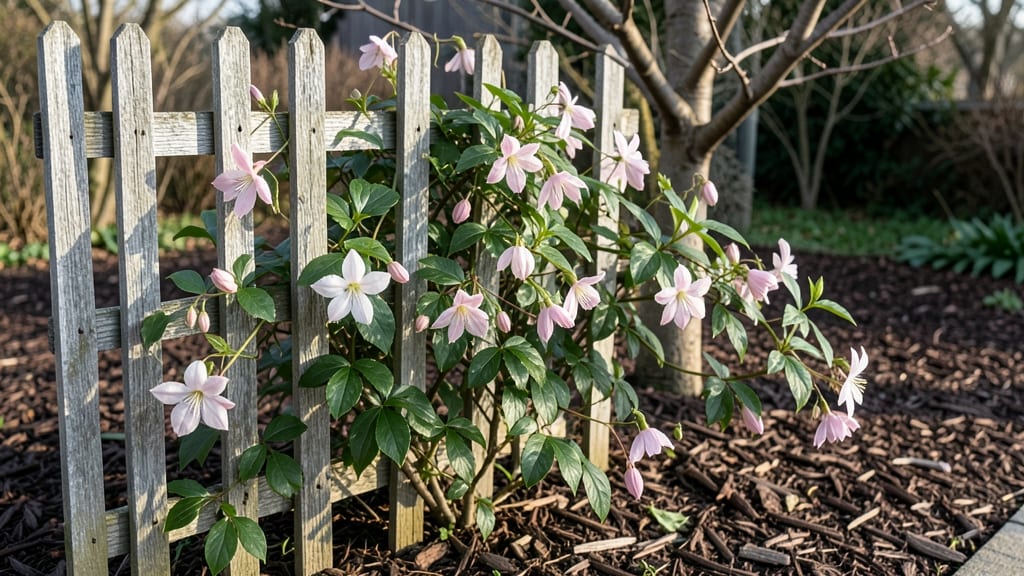
Clematis thrives in partial shade with dappled light—the key to vibrant blooms and strong vines that climb faster than you’d expect.
Struggling to grow clematis in your shady garden? Partial shade doesn’t mean you have to miss out on stunning blooms—some varieties thrive in dappled light and burst into color faster than you’d expect.
This guide covers the 5 fastest-blooming varieties for partial shade, how to prep soil and water for optimal growth, and seasonal adjustments to keep your clematis 🌸 climbing and flowering year after year.
From pruning tips to companion plants that boost blooms, you’ll learn how to turn even the shadiest spots into a showstopper—without sacrificing health or beauty.
 Best Window Placement
5 Fastest-blooming clematis varieties for partial shade gardens
Partial shade gardens can still burst with vibrant clematis blooms if you choose the right varieties. Many gardeners assume these climbing beauties need full sun, but some clematis varieties not only tolerate partial shade—they thrive in dappled light and bloom faster than their sun-loving cousins.
The key is selecting fast-growing, shade-adapted types that prioritize foliage health over intense sunlight.
I’ve tested these varieties in my own woodland-edge garden where morning sun filters through oak trees, creating perfect partial shade conditions. These five clematis types consistently deliver bold blooms within 2-3 years of planting, even in spots that receive only 3-6 hours of direct sunlight daily.
Let’s explore their unique characteristics and care requirements.
Comparison Table: Fastest-Blooming Clematis for Partial Shade
Let’s start with Clematis 'Jackmanii', the workhorse of shade-tolerant clematis. This variety produces vibrant purple blooms from mid to late summer and handles partial shade better than most. In my garden, 'Jackmanii' reaches 10-15 feet when trained on a sturdy arbor, making it perfect for vertical spaces.
The secret to its success in partial shade is consistent moisture—I water deeply twice weekly during dry spells to prevent stress.
'Nelly Moser' steals the show with its romantic pink blooms that appear in early summer. What makes this variety special is its ability to rebloom if you deadhead spent flowers promptly. I’ve seen it produce second flushes in late summer when grown in partial shade near my east-facing patio. This clematis thrives with morning sunlight and afternoon shade, making it ideal for woodland gardens or areas under large trees.
For a softer color palette, 'Vyvyan Pennell' offers delicate blue-violet blooms that appear in early summer. This variety is particularly forgiving in partial shade and even tolerates occasional wet soil, which is a bonus if your garden has poor drainage.
I’ve grown it successfully in a moist woodland edge where it climbs a rusted metal trellis, adding vertical interest without requiring intense sunlight.
'The President' is my top pick for deep shade gardens. Its elegant white blooms with yellow centers appear in late spring, making it one of the earliest bloomers in partial shade. This variety excels in spots that receive only morning sun, such as north-facing walls or under dense canopy trees. To maximize its potential, I plant it near east-facing structures and mulch heavily to retain moisture.
Finally, 'Perle d'Azur' brings a sky-blue charm to shady gardens with its delicate light blue blooms. This variety is particularly fast-growing in partial shade, often reaching 8-10 feet in its first growing season.
I’ve found it thrives in filtered light conditions, such as under lace-cap hydrangeas or near decorative grasses. Its low-maintenance nature makes it perfect for gardeners who want beautiful blooms with minimal effort.
When selecting clematis for partial shade, remember
How to maximize blooms in partial shade: planting and care tips
Partial shade might seem like a challenge for clematis, but with the right approach, your vine can thrive and produce vibrant blooms all season long. The key lies in understanding how to create an ideal environment that mimics their natural dappled light preferences.
Unlike sun-loving varieties, clematis in partial shade need extra attention to soil, water, and seasonal care to compensate for reduced sunlight.
When planting clematis in partial shade, focus on moisture retention and root protection. These plants are sensitive to drying out, so well-draining yet moisture-retentive soil is critical.
Pair this with the right pruning schedule and companion plants, and you'll see a dramatic difference in bloom production compared to neglected vines in the same conditions.
🌿 5 Essential Steps to Boost Clematis Blooms in Partial Shade
- 1. Soil Prep: Amend with organic matter (compost or aged manure) to improve drainage and moisture retention. Aim for pH 6.5-7.0.
- 2. Planting Depth: Bury the crown 4-6 inches below soil to protect from temperature swings and encourage root growth.
- 3. Watering Routine: Water deeply 2-3 times weekly during growing season, focusing on the root zone to prevent surface drying.
- 4. Pruning Schedule: Prune Group 1 varieties early spring (before buds swell) and Group 2-3 after flowering to maintain shape and encourage new blooms.
- 5. Companion Plants: Pair with hostas, ferns, or astilbes to provide shade during peak sun hours while adding visual contrast.
Start by testing your soil's moisture retention—clematis hate soggy roots but need consistent hydration. Mix in perlite or coarse sand if your soil compacts easily, and always mulch with 2-3 inches of organic mulch (like shredded bark) to lock in moisture.
This simple step can double your bloom production by reducing stress during dry spells.
Seasonal adjustments are crucial for partial shade clematis. In spring and fall, apply a balanced fertilizer (5-10-10) lightly to encourage root development, while avoiding heavy feeding in summer when blooms are most active.
Over-fertilizing can lead to leafy growth at the expense of flowers, which is especially problematic in low-light conditions.
Don't overlook the power of companion planting to extend your clematis's growing season. Tall perennials like delphiniums or hollyhocks can provide afternoon shade while their deep roots improve soil aeration. For ground cover, try ajuga or heuchera—both thrive in partial shade and suppress weeds that compete for nutrients.
Keep an eye out for leggy growth, a common issue in partial shade. If your clematis stretches too much, it's likely reaching for more light. To fix this, trim back long stems in early summer to encourage bushier, more compact growth.
This pruning trick also redirects energy toward producing more flowers instead of excessive foliage.