
Shrubs
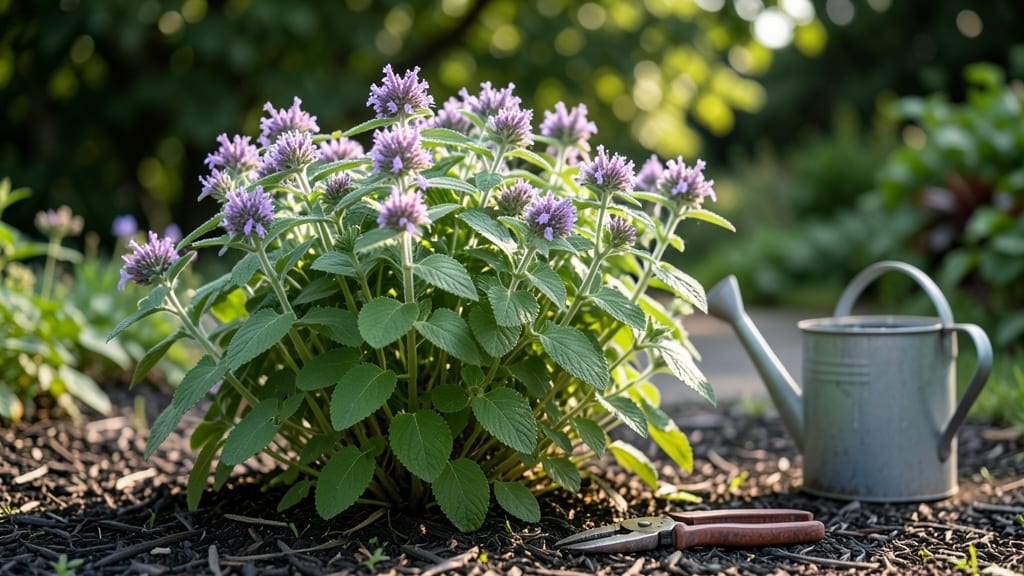
Growing catnip in the right sun or shade is the secret to a plant that thrives and keeps your feline friends rolling in it all season.
Struggling to grow lush, thriving catnip? The battle between sun and shade can make or break your plant’s success—yet most gardeners get this wrong. Whether you’re dealing with a sunny patch or a shadier corner, understanding catnip’s light preferences is key to maximizing its growth and potency.
This hardy herb, perfect for USDA Zone 6a, actually does well in both full sun and partial shade, but there’s a trick to getting it right. Too much shade, and you’ll end up with leggy, weak stems.
Too much sun, and the leaves can scorch. The ideal spot? A balance of morning sun and afternoon shade, or at least 4-6 hours of bright, indirect light daily.
In this guide, I’ll walk you through how to choose the perfect spot, adjust your care routine based on light conditions, and even pick the best catnip varieties for your garden—whether you’re growing it in containers or garden beds.
Let’s turn your catnip into a thriving favorite for both you and your pets!
 Best Window Placement
Ideal sunlight conditions for catnip: full sun vs. partial shade breakdown
Catnip (Nepeta cataria) thrives in versatile light conditions, but getting the balance right ensures maximum leaf production and potency. While it tolerates partial shade, too little sun weakens its aromatic oils—the very compounds that drive cats wild.
My experience shows most gardeners underestimate how much light catnip truly craves, especially in hot climates where afternoon shade becomes essential.
In full sun, catnip grows taller and bushier, producing more potent leaves—ideal for cat toys or herbal remedies. However, intense afternoon sun (especially in USDA Zones 7-10) can scorch leaves, turning them crispy at the edges.
The key is morning sun exposure combined with afternoon shade, a trick I’ve perfected in my Zone 8 garden using nearby shrubs as natural shade screens.
The optimal sunlight range for catnip is 4 to 6 hours of direct sun daily, with partial shade (30-50% filtered light) during peak afternoon heat. This sweet spot prevents leaf burn while maintaining high essential oil production.
For northern climates (Zones 3-5), catnip can handle full sun all day, as cooler temperatures reduce heat stress risks.
Here’s how catnip’s growth differs under full sun vs. partial shade, with actionable adjustments for your climate:
| Condition | Full Sun (6+ Hours) | Partial Shade (3-5 Hours) |
|---|---|---|
| Growth Rate | Faster (2-3 ft/year) | Slower (1-2 ft/year) |
| Leaf Potency | High (strong catnip scent) | Moderate (milder aroma) |
| Water Needs | 1-1.5 inches/week | 0.75-1 inch/week |
| Heat Tolerance | Low (risk of burn) | High (cooler leaves) |
| Best For | Dry climates, containers | Humid areas, shaded beds |
| Regional Adjustment | Zones 3-5: Full sun OK Zones 7-10: Afternoon shade needed |
Zones 6-10: Ideal for urban gardens Zones 3-4: Supplement with grow lights |
If you’re growing catnip in containers, prioritize south- or east-facing windows for 4-5 hours of morning sun, then move pots to a shadier spot by midday. I’ve seen potted catnip thrive on my balcony using this method, even in Chicago’s Zone 5 summers.
For in-ground plantings, mulch heavily around the base to retain moisture and cool roots—critical in full-sun conditions.
Too much shade (under 3 hours of sun) leads to leggy, sparse growth with weak catnip oils, while too much sun (without afternoon relief) causes yellowing leaves and stunted flowering. The secret? Monitor your plant’s color: healthy catnip leaves are dark green and fuzzy, not pale or crispy. Adjust pruning to encourage bushier habits—pinch back tips when plants hit 6 inches tall to force more lateral branching and better light exposure for lower leaves.
For regional tweaks, gardeners in desert climates (Zones 9-10) should limit direct sun to 4 hours max, using lattice screens or trellises to filter light.
In Pacific Northwest (Zones 7-8), full sun works year-round, but winter protection (like burlap wraps) prevents frost damage to tender new growth. Always test your site’s microclimate—what seems like "full sun" might actually be partial shade due to nearby structures or trees.
Pro tip: Use a light meter (or your phone’s sunlight app) to track actual sunlight hours in your garden. Catnip’s ideal light threshold is 20,000-30,000 lux—any lower, and you’ll sacrifice potency and yield. If your spot falls short, supplement with a grow light (12 hours/day) for indoor catnip or container gardens with limited sun.
Remember, catnip’s love for light directly impacts its usefulness—whether you’re growing it for cats, teas, or tinctures. The more sun it gets (within reason), the stronger the "catnip effect" will be.
Start with 4-6 hours of sun, adjust based on your climate, and watch your plants thrive—and your feline friends go wild! 🐾
How to adjust catnip care based on sun or shade exposure
Catnip thrives with flexibility, but its care routine changes dramatically between full sun and partial shade conditions. In my experience, the biggest mistake gardeners make is treating catnip the same way regardless of light exposure.
Let’s break down how to tailor your approach for maximum growth and potency, whether your plant is basking in 6+ hours of sunlight or tucked under dappled shade.
First, understand that catnip’s essential oil production peaks in full sun, but its leaf quality remains excellent even in partial shade. The key is adjusting watering frequency, soil moisture, and pruning habits to match its environment.
For example, sun-loving catnip may need daily water checks in summer, while shade-grown plants can go 7-10 days between waterings without stress.
⚠️ WARNING: Common Mistakes That Kill Catnip
Shade slows evaporation, so catnip in low-light areas rots quickly from soggy soil. I’ve seen plants drown in containers with poor drainage—always use pots with drainage holes if growing indoors or in heavy shade. Test soil moisture by sticking your finger 1 inch deep; water only if it’s dry.
⚠️ Underwatering in Full Sun
Sun-exposed catnip wilts faster. If leaves curl or yellow, it’s often thirsty. Mulch with straw or wood chips to retain moisture, and water deeply in the morning to prevent evaporation.
⚠️ Ignoring Leaf Color
Pale green leaves in sun? Your catnip needs more nitrogen. Brown edges in shade? It’s nutrient-deficient. Adjust with a balanced fertilizer (5-10-10) in spring and summer.
For full-sun catnip, focus on well-draining soil mixed with compost to prevent heat stress. In my Zone 6a garden, I’ve found that adding perlite helps sandy soil retain moisture while allowing excess water to drain.
Prune regularly to encourage new leaf growth, as sun-exposed plants grow faster but can become woody if neglected.
In partial shade, prioritize organic matter like leaf mold or aged manure to improve soil structure. Shade-grown catnip benefits from light pruning to maintain shape, but avoid heavy cuts that can stress the plant.
I’ve noticed shade catnip develops larger, softer leaves—ideal for dried catnip toys—but with lower essential oils than sun-grown varieties.
Reviving struggling catnip starts with light adjustments. If your plant looks leggy or weak, move it to a sunnier spot gradually (over 1-2 weeks) to avoid sunburn.
For shade lovers, increase light slowly by placing near a south-facing window or using a grow light for 4-6 hours daily. Always monitor for pests like spider mites, which thrive in dry, sun-exposed conditions.
Remember: catnip’s hardiness makes it adaptable, but its growth habits change with light. By tweaking your care routine—watering less in shade, fertilizing more in sun, and pruning strategically—you’ll unlock its full potential, whether it’s a sunbathing bush or a shady corner survivor. 🌿