
Light Requirements
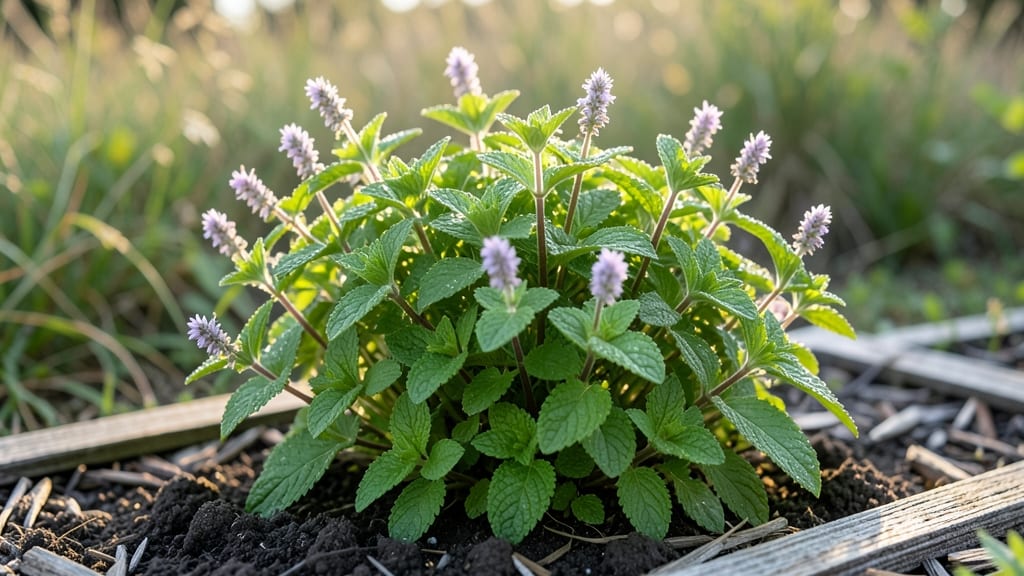
Mint can grow in shade, thriving in partial to full shade conditions with at least 3-4 hours of indirect sunlight daily. Choose shade-tolerant varieties like chocolate mint or apple mint for best results in low-light areas.
Mint's adaptability to shade comes from its ability to thrive with minimal direct light, though its growth patterns and flavor intensity will shift based on light exposure. 🌿 In dimmer conditions, mint plants often develop denser foliage but may produce slightly less potent essential oils, which affects their aromatic strength.
I've found that container-grown mint in shaded balconies still yields usable leaves—just expect slower growth compared to sunlit patches. The key is balancing moisture and light, since shade-loving varieties like peppermint or spearmint can become leggy without enough indirect light.
For best results, pair shade-tolerant mint with well-draining soil and consistent moisture—never soggy conditions. Container gardening works exceptionally well for low-light setups, as you can easily adjust placement based on seasonal light changes.
Just remember: while mint can survive in shade, its vigor and flavor will always peak with at least a few hours of filtered sunlight daily.
💡 In This Article
- How Shade Affects Mint Plant Growth and Flavor
- Best Mint Varieties for Shady Gardens and Containers
How shade affects mint plant growth and flavor
Mint's ability to grow in shade stems from its efficient photosynthesis process, which allows it to thrive with as little as 3-4 hours of indirect sunlight daily.
Unlike sun-loving herbs, mint has a lower light requirement because its leaves contain high concentrations of chlorophyll, enabling it to capture even diffused light effectively.
In shaded conditions, the plant focuses energy on leaf production rather than flowering, resulting in denser foliage that's perfect for culinary use. 🌿 However, this comes at a trade-off: essential oil production—the compounds responsible for mint's signature aroma—can decrease by up to 20-30% compared to sun-exposed plants.
The science behind this involves chlorophyll's role in capturing light energy. In low-light environments, mint plants develop broader leaves with more surface area to maximize light absorption. This adaptation explains why shade-grown mint often has a slightly milder flavor profile—its aromatic compounds are less concentrated.
For example, peppermint grown in full shade may taste less intensely cool compared to its sun-grown counterpart, which develops stronger menthol content. The trade-off between growth and flavor intensity is why gardeners often prioritize partial shade locations that offer morning sun and afternoon shade.
Light deprivation also affects mint's growth patterns. Without sufficient light, stems can become leggy and weak, as the plant stretches toward any available light source. This phenomenon, called etiolation, reduces structural integrity and makes plants more susceptible to lodging (falling over).
To counteract this, I recommend using containers with good drainage and providing support stakes for taller varieties like chocolate mint. The good news? Even in shade, mint's rapid growth cycle means you'll still harvest fresh leaves within 6-8 weeks of planting, just with slightly different characteristics than sun-grown plants.
Another key factor is temperature regulation. Shaded areas often maintain cooler soil temperatures, which can slow mint's growth but also reduce stress from heat waves. This makes shade-grown mint particularly well-suited for hot climates where afternoon sun might scorch leaves.
The cooler environment also preserves moisture longer, reducing the need for frequent watering—a significant advantage for container gardeners. However, be cautious with overly dense shade (like under thick tree canopies), as this can lead to fungal issues from poor air circulation and excess humidity.
For flavor enthusiasts, the difference between shade and sun-grown mint is measurable. Studies show that sun-exposed mint contains 15-25% more menthol than shade-grown varieties, which translates to a more potent aroma. That said, the flavor remains pleasant and usable—just less intense.
This makes shade-grown mint ideal for teas and gentle culinary applications where you want a subtle herbal note rather than an overpowering presence. The choice ultimately depends on your priorities: robust flavor or adaptable growth in low-light conditions.
Pro tip: If you're growing mint in shade and notice the flavor fading, try supplementing with a grow light for 2-3 hours daily during the plant's active growth phase. This small addition can boost essential oil production without requiring full sun exposure.
The balance between light, flavor, and growth is what makes mint such a versatile herb for various growing conditions. 💫