
Light Requirements
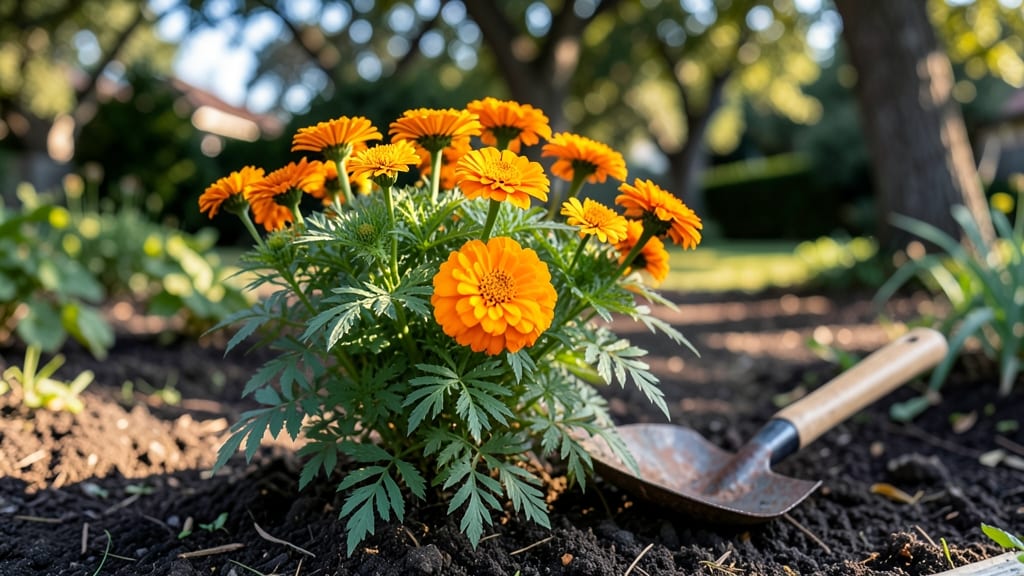
Marigolds can grow in part shade, but their performance depends on how much shade your garden gets and which variety you choose.
You’ve probably heard marigolds 🌼 need full sun, but the truth is more nuanced. While they’ll produce fewer blooms in deep shade, the right conditions can still yield healthy plants—even in spots where other flowers struggle.
Here’s what you need to know: part shade means 3 to 6 hours of sunlight daily, and some varieties handle low light better than others. We’ll cover the best types, soil tweaks, and companion plants to maximize growth in shadier areas.
By the end, you’ll know exactly how to adjust your garden for thriving marigolds—whether you’re working with a north-facing border or a tree-filtered patch.


How part shade affects marigold growth and flowering
Marigolds are often celebrated for their sun-loving nature, but did you know they can adapt to part shade with the right care? While they thrive in full sun (6+ hours daily), 3-6 hours of sunlight still supports healthy growth.
The key lies in understanding how light deprivation impacts their growth patterns and flowering intensity.
When marigolds receive less light, they prioritize leafy growth over flower production. This means fewer blooms but lush foliage. African marigolds, for example, may produce smaller, paler flowers, while French marigolds might struggle to bloom at all.
The trade-off? Their pest-repelling properties remain intact, making them valuable even in shadier spots.
Let’s break down how part shade influences different marigold varieties and what you can do to optimize their performance. Understanding these effects helps you make informed decisions for your garden layout.
🌱
| Variety | Sunlight Tolerance | Growth Impact | Flowering Effect |
|---|---|---|---|
| French Marigold | 3-4 hours | Taller stems, leggy growth | Reduced blooms, smaller flowers |
| African Marigold | 4-6 hours | Compact, bushy foliage | Fewer but larger blooms |
| Signet Marigold | 3-5 hours | Slower growth, dense leaves | Minimal flowering, mostly foliage |
| All Varieties | 6+ hours (ideal) | Balanced growth, sturdy stems | Abundant, vibrant blooms |
French marigolds, known for their delicate, pom-pom-like blooms, are the most light-sensitive of the bunch. In part shade, they may produce taller, leggier stems with fewer flowers, but their fragrant foliage remains a garden asset.
These varieties are perfect for border edges or understory plantings where they can still contribute to your garden’s aesthetic.
African marigolds, with their bold, daisy-like flowers, fare slightly better in part shade. They’ll develop bushier foliage and may produce larger but fewer blooms. Varieties like 'Bonanza Yellow' or 'Tangerine' are excellent choices if you’re working with 4-6 hours of sunlight daily.
Their pest-deterrent qualities make them a smart addition to vegetable gardens or shady patio containers.
Signet marigolds, the smallest of the trio, are least affected by shade but still benefit from at least 3 hours of light. Their compact growth habit makes them ideal for window boxes or hanging baskets in part-shade locations.
However, expect minimal flowering—these plants prioritize leafy growth over blooms when light is limited.
🌿
Beyond variety selection, light quality matters just as much as light quantity. Marigolds thrive in bright, indirect light, such as morning sun with afternoon shade.
Avoid deep shade (less than 3 hours of light), as this can lead to weak stems, pale foliage, and poor flowering. If your garden only offers early morning or late afternoon sun, position marigolds to maximize these golden hours.
Another critical factor is seasonal light changes. In summer, when days are long, marigolds in part shade may still perform well. But in spring or fall, when sunlight is weaker and shorter, they’ll need extra care to maintain healthy growth.
Consider supplementing with a grow light for 4-6 hours daily during these seasons if you’re aiming for optimal flowering.
Finally, don’t overlook the soil and watering adjustments needed to support marigolds in part shade. Well-draining, nutrient-rich soil helps compensate for reduced photosynthesis. Pair this with consistent moisture (but avoid soggy conditions) to keep your plants thriving.
With these tweaks, you can enjoy vibrant marigolds even in shadier corners of your garden.
☀️
3 Key conditions for growing marigolds in part shade
Marigolds are famously sun-loving, but with the right adjustments, they can thrive in part shade too. The key lies in optimizing their environment to compensate for reduced light.
I’ve grown marigolds in part shade for years, and these three conditions make all the difference: soil quality, watering discipline, and strategic companion planting. Let’s break down how to set them up for success.
First, amend your soil with organic matter like compost or aged manure. Marigolds in part shade need nutrient-rich soil to compensate for slower photosynthesis. Aim for a well-draining mix with a pH between 6.0 and 7.0.
I’ve found that adding a handful of worm castings at planting time gives my shade-grown marigolds a strong start. Without this boost, their growth can become leggy and weak.
- 1 Soil Enrichment: Use compost and organic matter to boost nutrients. Marigolds in part shade need 2-3x more nitrogen than sun-grown plants.
- 2 Watering Schedule: Water deeply every 2-3 days in part shade. Shady spots dry out slower, but roots still need oxygen. Avoid soggy soil to prevent root rot.
- 3 Companion Plants: Pair with tall plants (like sunflowers) to filter harsh afternoon sun, or low-growing herbs (like thyme) to reflect light upward.
Watering is where most gardeners trip up. In part shade, the soil stays moister longer, but that doesn’t mean you should skip watering. I’ve learned to check soil moisture 2 inches deep—if it’s dry, it’s time to water.
Use a drip irrigation system or water at the base to avoid wetting leaves, which can invite fungal diseases. Morning watering is ideal to let foliage dry before evening.
Seasonal light management is often overlooked but critical. If your marigolds start looking leggy or sparse, they’re likely stretching for light. I rotate my containers every few weeks to ensure even exposure.
For in-ground plants, prune lower leaves to improve airflow and redirect energy to flowering. This simple trick can double your bloom production in shady spots.
Don’t overlook the power of companion planting. I’ve had great success pairing marigolds with basil or nasturtiums, which thrive in similar conditions and deter pests.
Tall plants like sunflowers or hollyhocks can also act as natural shade breakers, filtering harsh afternoon sun while allowing morning light to reach your marigolds. This creates a microclimate that mimics their ideal growing conditions.
With these three conditions—rich soil, consistent watering, and smart companions—your marigolds will reward you with vibrant blooms even in part shade. Start small with a few pots to test your local conditions, and soon you’ll have a thriving shade garden that rivals full-sun beds. Happy growing!