
Light Requirements
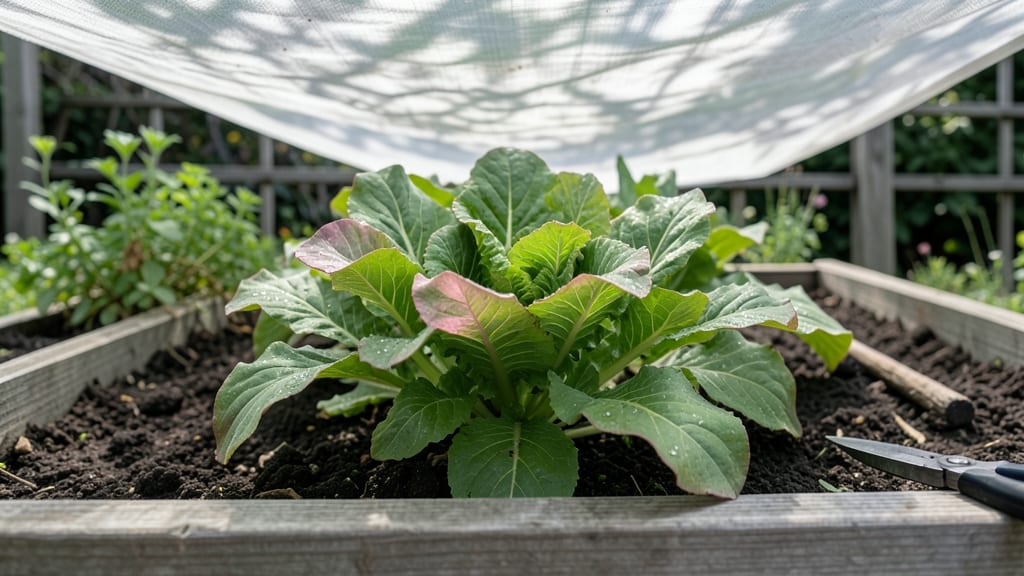
Lettuce can grow in shade, especially leaf varieties like romaine and butterhead, though yields may be smaller and slower than in full sun. Partial shade (3-6 hours of light) works best, while deep shade risks leggy growth and bitterness. Choose shade-tolerant types and space plants closer for optimal results.
Growing lettuce in shade is absolutely possible, but the results depend heavily on the type of shade and variety you choose. 🌱 Leaf lettuces handle low light better than head varieties, as they focus energy on leaf production rather than forming compact heads.
The key to success is selecting varieties bred for shade tolerance, like 'Black Seeded Simpson' or 'Winter Density,' which thrive with just a few hours of indirect sunlight daily.
What's interesting is how shade affects flavor—lettuce grown in partial shade often develops a milder, sweeter taste compared to its sun-grown counterparts, though it may take longer to mature.
For best results, I recommend planting in areas with dappled sunlight, like under fruit trees or near north-facing walls. Adding a light layer of compost can also boost nutrient uptake, helping plants compensate for reduced photosynthesis.
Just be prepared for slower growth and potentially smaller harvests—shade lettuce is more about quality than quantity, especially if you're growing in deep or dense shade.
💡 In This Article
- How Shade Affects Lettuce Growth and Flavor
- Top Shade-Tolerant Lettuce Varieties for Low-Light Gardens
How shade affects lettuce growth and flavor
Shade directly impacts lettuce through photosynthesis—the process where plants convert light into energy. Lettuce thrives on 4-6 hours of direct sunlight daily, but with less light, its chlorophyll production slows. This means fewer sugars and nutrients, leading to slower growth and smaller leaves.
In deep shade (3 hours or less), lettuce may stretch upward (a condition called "bolting") in search of light, resulting in bitter, tough stems.
The science here is clear: shade reduces the plant's ability to produce ascorbic acid (vitamin C) and antioxidants like lutein, which are more abundant in sun-grown lettuce.
Flavor changes dramatically under shade. Sun-grown lettuce develops a crisp, slightly peppery bite, while shade-grown varieties often taste milder and sweeter due to lower acidity. This happens because reduced light slows down the production of phenolic compounds, which contribute to bitterness.
However, the trade-off is a softer texture—shade lettuce tends to be more tender and less crunchy. For example, 'Buttercrunch' lettuce grown in partial shade (4-5 hours of light) will have broader, paler leaves with a buttery texture compared to its sun-grown counterpart, which stays compact and vibrant green.
Color is another telltale sign of shade stress. Chlorophyll breaks down under insufficient light, causing leaves to turn pale yellow or even white in extreme cases. This is why shade-tolerant varieties like 'Oakleaf' develop deep red or purple hues—they produce more anthocyanins (pigments) as a protective response to low light.
These pigments aren’t just for show; they act as natural sunscreens, helping the plant absorb more light. In contrast, full-sun lettuce like 'Iceberg' stays crisp and bright green but may bolt prematurely in hot climates, turning bitter before harvest.
Temperature plays a hidden role in shade-grown lettuce. Without direct sunlight, soil stays cooler, which can delay germination and slow early growth. To compensate, I recommend starting seeds indoors under grow lights (12-14 hours of light daily) before transplanting to shaded garden beds.
This gives seedlings a head start before they face the challenge of low-light conditions. Additionally, mulching with straw or leaves helps retain moisture and regulate soil temperature, creating a more stable environment for shade lettuce.
One surprising benefit of shade-grown lettuce is its extended harvest window. In hot climates, sun-exposed lettuce often bolts within 4-6 weeks, but shade varieties like 'Winter Density' can produce edible leaves for 8-10 weeks or longer.
This makes them ideal for late summer or early fall planting when days grow shorter. The key is to monitor leaf color closely—if they start developing yellow edges or turning bitter, it’s a sign the plant is struggling and may need to be harvested sooner.
For gardeners in urban areas with limited sunlight, understanding these trade-offs is crucial. While shade lettuce may not match the yield or crunch of sun-grown varieties, its adaptability makes it a reliable choice for balconies, patios, or under tall trees.
Pairing shade lettuce with fast-growing radishes or spinach can also maximize space and productivity in low-light conditions.
What most people don’t realize is that shade lettuce often has a higher water content, making it juicier and more hydrating. This is because the plant allocates more energy to leaf expansion rather than structural development.
So, while the harvest might be smaller, the quality—especially in terms of tenderness and mild sweetness—can be a welcome surprise for those who prefer a delicate, buttery lettuce. 🌿