
Light Requirements
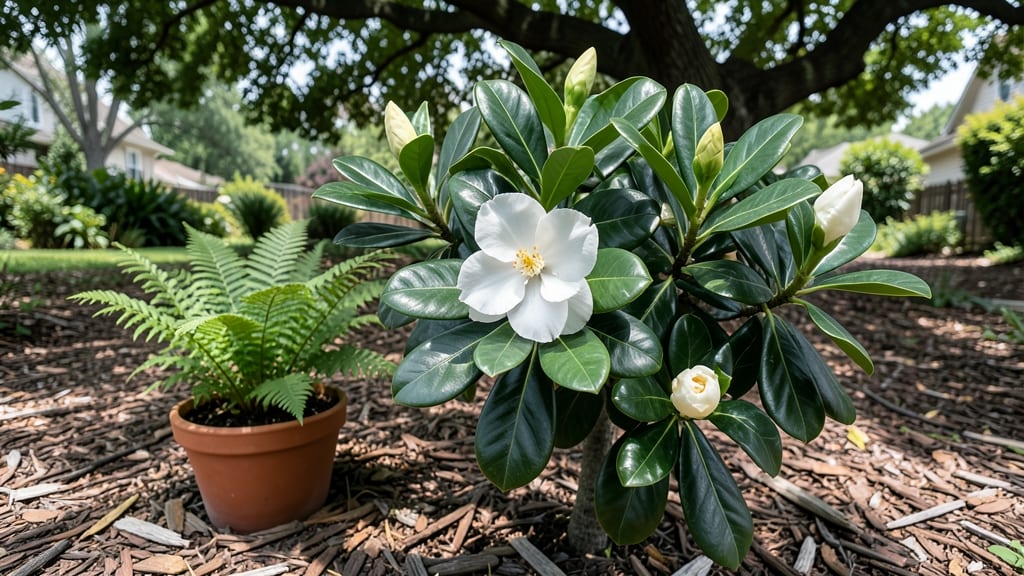
Gardenias can grow in shade, but they need the right balance of light to bloom and stay healthy 🌸 — and most gardeners get this part wrong.
Picture this: you’ve planted your gardenias in that cozy, dappled corner of your yard, only to watch them grow lush green leaves but refuse to bloom. Or worse, they look sad and leggy, stretching toward any scrap of light.
That’s the shade struggle most growers face, and it’s not just about throwing more sun at them.
Here’s the secret: gardenias thrive in partial shade—meaning they need bright, indirect light for at least half the day, not deep, dark shade. Without it, they’ll either flop or throw all their energy into leaves instead of those intoxicating white blooms.
But with the right tweaks—like adjusting soil acidity, pruning for better airflow, or even a little help from grow lights—you can keep them happy and fragrant.
In this guide, I’ll walk you through how much shade is too much, the signs your gardenias are suffering, and five proven strategies to keep them thriving—even in shadier spots. No more guesswork, just blooms!


How much shade can gardenias tolerate before struggling?
Gardenias are famous for their intoxicating fragrance and glossy foliage, but many gardeners wonder: can gardenias grow in shade? The answer depends on the variety and how you define "shade." While these tropical shrubs thrive in bright, indirect light, some types can tolerate partial shade—though with trade-offs.
Understanding your gardenia's light needs is key to balancing survival and those coveted blooms.
Most gardenias need at least 4-6 hours of morning sun daily to produce abundant flowers. Without enough light, chlorophyll production slows, leading to pale leaves and sparse blooming. However, varieties like 'Kleim's Hardy' can handle more shade than tropical types, which are far pickier about light.
The critical balance lies in providing filtered sunlight while avoiding deep, dense shade.
Here’s how different gardenia varieties handle shade, along with their blooming potential and care adjustments:
| Variety | Shade Tolerance | Blooming Impact | Care Adjustments |
|---|---|---|---|
| 'Kleim's Hardy' | Moderate (3-4 hrs sun) | Reduced but reliable | Prune for light exposure |
| 'Radicans' | Low (2-3 hrs sun) | Sparse blooms | Use grow lights in winter |
| Tropical (e.g., 'Veitchii') | None (6+ hrs sun) | Almost no flowers | Relocate to sunnier spot |
| 'Fortuniana' | Moderate (4-5 hrs sun) | Moderate blooms | Fertilize monthly |
If your gardenia is struggling in shade, the first sign is fewer blooms and leggy growth. This happens because shade reduces photosynthesis, which is the plant’s energy source for flowering.
Without enough light, gardenias redirect energy to leafy growth instead of producing those signature white blooms. The good news? You can often restore blooming by adjusting care or relocating the plant.
For varieties like 'Kleim's Hardy', which tolerate 3-4 hours of morning sun, partial shade is manageable. However, tropical gardenias will struggle significantly with less than 6 hours of light daily.
If you’re growing these in a shady spot, consider supplemental grow lights during winter months when natural light is scarce. A simple LED grow light for 4-6 hours can make a dramatic difference in blooming.
Another key factor is chlorophyll production. Gardenias rely on sunlight to create chlorophyll, which fuels their growth and flowering. In low-light conditions, chlorophyll levels drop, leading to yellowing leaves and weak stems.
To counteract this, use a balanced fertilizer with iron to support chlorophyll synthesis. Look for a fertilizer labeled for acid-loving plants, as gardenias prefer soil pH between 5.0 and 6.5.
Pruning is another tool to improve light exposure. If your gardenia is tucked under a tree or tall shrub, thin out dense foliage to allow more light to reach the inner branches.
Focus on removing overlapping branches and dead growth in late winter or early spring. This not only boosts light penetration but also encourages new growth and more blooms.
Finally, remember that shade isn’t all bad. In hot climates, afternoon shade can protect gardenias from scorching sunlight, which can damage leaves. The goal is to find the sweet spot between shade and light—enough to keep the plant happy without sacrificing those fragrant blooms.
With the right adjustments, your gardenia can thrive even in partial shade! 🌿
5 Proven strategies to grow thriving gardenias in shade
Gardenias love the spotlight—but what if your yard is more dappled shade than sun-drenched? The good news is these fragrant shrubs can adapt with the right care. Partial shade (2-4 hours of filtered light) is ideal, but even deeper shade won’t kill them if you compensate.
Here’s how to turn your shady spot into a gardenia paradise.
First, understand that gardenias are tropical at heart. They crave bright indirect light to fuel their chlorophyll production and trigger blooming. In low light, they’ll focus on leaf growth over flowers.
The key is balancing their needs with your space’s limitations. Let’s dive into five science-backed strategies to keep your gardenias thriving.
Gardenias thrive in acidic soil (pH 5.0-6.5). Test your soil and amend with sulfur or peat moss to mimic their natural tropical habitat. Aim for 5.5-6.0 pH for optimal nutrient uptake.
Thin out dense inner branches to improve air circulation and light penetration. Focus on overlapping growth and remove 1/3 of old blooms to encourage new growth. Prune in early spring before new shoots emerge.
Pair gardenias with light-loving companions like impatiens or ferns to create a microclimate. These plants help reflect light and retain moisture. Avoid competitive roots like bamboo or black walnut.
Place a grow light 12-18 inches above your gardenia for 4-6 hours/day in winter. Use a full-spectrum LED bulb (6500K) to mimic natural light. Position it 2 feet away to avoid leaf burn.
In spring/summer, water deeply every 3-5 days and fertilize with acid-loving plant food. In fall/winter, reduce watering to every 10-14 days and stop fertilizing. Mulch with pine needles to retain acidity.
Start with soil acidity adjustments—this is the foundation for healthy gardenias. Use a soil pH test kit ($10 at garden centers) to check your levels.
If your soil is alkaline, mix in 1 part sulfur to 10 parts soil and re-test in 2 months. Peat moss is another great amendment for acid-loving plants.
Next, focus on strategic pruning to maximize light exposure. Gardenias naturally grow bushy, but overcrowded branches block sunlight. Use clean, sharp pruners to remove 1/3 of the oldest growth each year. This encourages new, light-catching branches and improves airflow to prevent fungal diseases like powdery mildew.
For companion planting, choose shade-tolerant friends that won’t compete for nutrients. Impatiens add vibrant color while reflecting light, and hostas provide ground cover to retain moisture. Avoid planting near boxwood or rhododendrons, which can compete aggressively for resources.
If your gardenia is in deep shade (less than 2 hours of light), consider supplemental grow lights. A 15-watt LED clip light ($25) placed near the plant’s canopy can make a noticeable difference in foliage health. Position it to mimic morning sunlight (6 AM–10 AM) for best results.
Finally, tweak your seasonal care routine to match your gardenia’s needs. In spring and summer, water in the early morning to reduce evaporation and fungal risks. Use rainwater or distilled water if your tap water is alkaline, as chlorine and minerals can stress the plant.
With these five strategies, your gardenias can bloom beautifully—even in shade. Start with soil acidity, then prune and companion plant for long-term success. Watch as your fragrant, glossy-leaved gardenias become the star of your shady garden! 🌿