
Light Requirements
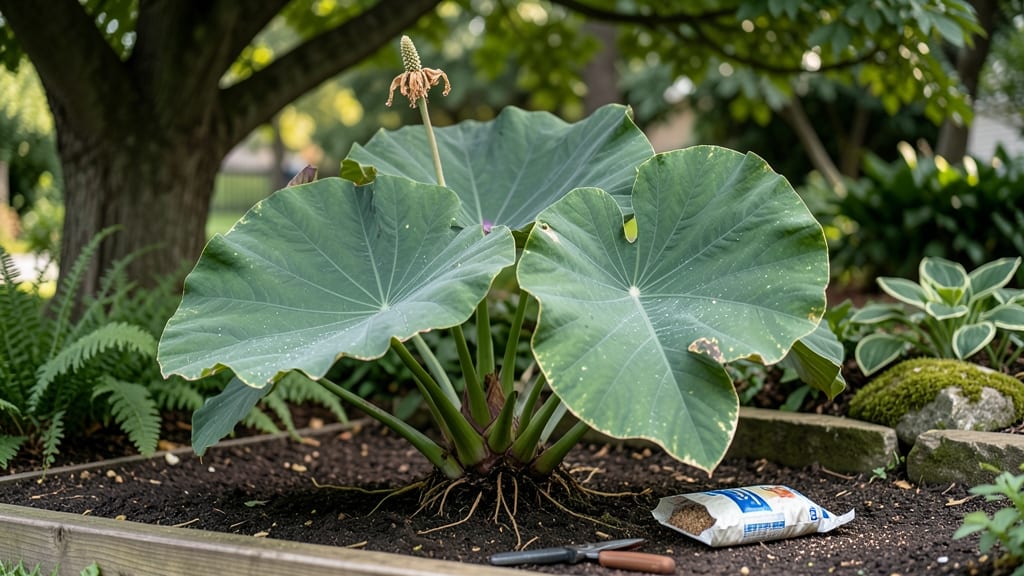
Elephant ears can grow in shade but perform best with 4-6 hours of indirect sunlight daily. Too little light dulls their signature foliage, while excessive sun risks leaf burn. Opt for shade-resistant types like 'Black Stem' or 'Pink Frost' for vibrant growth.
These tropical plants are famously adaptable, but their growth habits shift dramatically based on light exposure. 🌿 In deep shade, they'll survive but produce smaller leaves with less striking colors, since chlorophyll production slows without adequate light.
The key is finding that sweet spot—partial shade (like dappled sunlight under trees) lets them photosynthesize efficiently while protecting their delicate foliage. I've seen 'Black Stem' varieties maintain deep purple hues even in low-light conditions, proving they're the ultimate low-maintenance shade plants.
For gardeners with limited sun, the secret lies in choosing the right cultivar. Some varieties, like 'Pink Frost,' develop stunning pink and white variegation even with minimal light, while others may struggle to develop their signature patterns.
Always check your specific variety's care tag—some are bred specifically for shade tolerance, while others need more light to thrive. The payoff? Lush, dramatic foliage that turns heads without requiring full sun exposure.
💡 In This Article
- How Shade Affects Elephant Ear Growth and Leaf Color
- Top Shade-Tolerant Elephant Ear Varieties for Low-Light Gardens
How shade affects elephant ear growth and leaf color
Elephant ears (Colocasia) rely on photosynthesis to produce the vibrant foliage they're famous for, and shade directly impacts this process. In deep shade, chlorophyll production slows dramatically, leading to smaller leaves that lack the bold colors gardeners love.
The plant's energy shifts from leaf development to survival mode, often resulting in pale, less dramatic foliage.
Think of it like a painter with limited light—colors become muted and less striking. 🌿 For example, a 'Black Stem' variety might develop deep purple hues in partial shade but appear almost green in full shade.
The key difference lies in light intensity: partial shade (dappled sunlight) provides enough energy for photosynthesis while protecting leaves from harsh rays. This balance allows elephant ears to develop their signature textures and colors.
Studies show that plants in partial shade can produce leaves 30-50% larger than those in deep shade, with more pronounced variegation. The ideal scenario is morning sun with afternoon shade, which mimics their natural tropical understory habitat where they'd grow beneath taller trees.
Color development is particularly sensitive to light. Anthocyanins (the pigments responsible for deep purples and blacks) require moderate light to develop properly. In full shade, these pigments often fail to activate, leaving leaves looking washed out.
I've noticed that 'Pink Frost' varieties maintain their stunning pink and white patterns even in low light, but the contrast becomes less dramatic. The trade-off? While they'll grow, the visual impact suffers without adequate light exposure.
Growth rates also decline in deep shade. Elephant ears may take 2-3 weeks longer to reach maturity compared to those in partial shade, and their tubers store less energy for next year's growth. The stems become thinner and more brittle, making them less resilient to wind or rain.
This is why gardeners often see "floppy" elephant ears in shady spots—they're simply not getting the structural support they need from proper photosynthesis.
Temperature plays a secondary role in shade tolerance. In cooler climates, shade helps protect leaves from cold stress, but in hot areas, too much shade can lead to leggy growth as the plant stretches toward any available light.
The sweet spot is 6-8 hours of filtered light daily, which keeps growth balanced without overheating the foliage. This is why many gardeners use sheer curtains or lattice screens to diffuse harsh sunlight while still providing enough illumination.