
Light Requirements
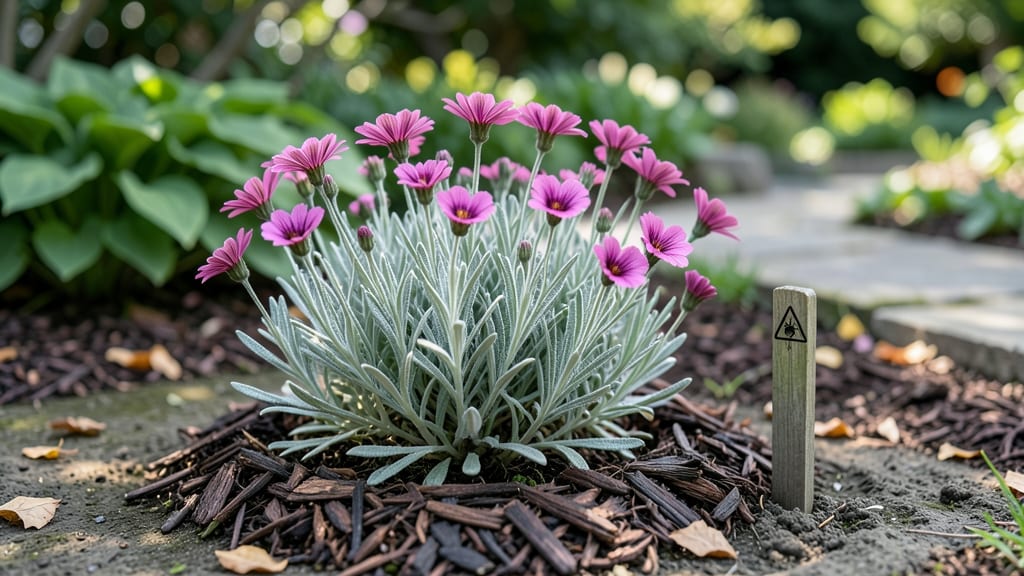
Dianthus can grow in shade but thrives best with at least 4-6 hours of sunlight daily. Varieties like Dianthus chinensis or Dianthus barbatus tolerate partial shade, while others may struggle without bright light, leading to leggy growth or weak blooms.
While dianthus plants can survive in shadier spots, they truly shine when exposed to bright, indirect light. 🌿 The difference comes down to energy production—dianthus relies on sunlight to fuel vibrant blooms and sturdy stems.
In low-light conditions, you’ll often see fewer flowers and weaker stems, but shade-tolerant varieties like Dianthus barbatus can still deliver stunning results with proper care.
For best results, position shade-loving dianthus near north-facing windows or under trees with dappled sunlight. If your garden is particularly dim, supplement with a grow light for 4-6 hours daily to mimic natural conditions. This small adjustment can make a huge difference in bloom quality and plant health.
💡 In This Article
- How Light Affects Dianthus Growth and Flowering
- Best Shade-Tolerant Dianthus Varieties for Low-Light Gardens
How light affects dianthus growth and flowering
Dianthus plants rely on sunlight to power their photosynthesis engines, which convert light energy into sugars that fuel growth and flowering. In full sun (6+ hours daily), these plants produce chlorophyll efficiently, resulting in vibrant green leaves and abundant blooms.
However, when deprived of adequate light, dianthus switches to a survival mode—prioritizing leafy growth over flowers to capture whatever light is available. This is why shade-grown dianthus often develop long, leggy stems with sparse blooms.
The key difference lies in photosynthetic efficiency. Sun-loving dianthus varieties like Dianthus gratianopolitanus (commonly called "pinks") have evolved to maximize light absorption, while shade-tolerant types like Dianthus chinensis have adapted with slightly larger leaves to capture dimmer light.
In low-light conditions, chlorophyll production drops by 30-50%, reducing the plant's ability to produce the energy needed for vibrant flowers. The result? Fewer blooms and weaker stems that may flop under their own weight.
Light quality matters just as much as quantity. Dianthus prefers blue and red light wavelengths (400-500nm and 600-700nm), which are abundant in direct sunlight. Under artificial shade (like dense tree canopies), these wavelengths get filtered out, leaving only green and yellow light that's less effective for photosynthesis.
This is why dianthus grown under dense evergreen trees often struggle—even if they receive 6+ hours of filtered light, the quality is poor for optimal growth.
Temperature plays a hidden role too. Shade reduces soil temperature by 5-10°F compared to full sun, slowing metabolic processes. Cooler roots mean slower nutrient uptake, which directly impacts flower production. This is why shade-grown dianthus often need phosphorus-rich fertilizers (like 5-10-5 formula) to compensate for reduced energy production.
The right fertilizer can boost bloom counts by 20-30% even in low-light conditions.
What most gardeners don't realize is that dianthus can actually adapt to shade over time, but this process takes 2-3 growing seasons. Plants gradually adjust by producing more chlorophyll and larger leaves, but they'll never match the vigor of sun-grown counterparts.
For immediate results in shady spots, choose varieties bred for low light and supplement with grow lights (10,000-15,000 lux) for 4-6 hours daily to mimic natural conditions.
Here's a quick comparison of what to expect:
- Full sun (6+ hours): Vigorous growth, 30-50% more blooms, compact stems, deep pink/magenta colors
- Partial shade (3-5 hours): Moderate growth, 20-30% fewer blooms, slightly leggy stems, muted colors
- Deep shade (<3 hours): Slow growth, 50%+ bloom reduction, very leggy stems, pale foliage