
Plants
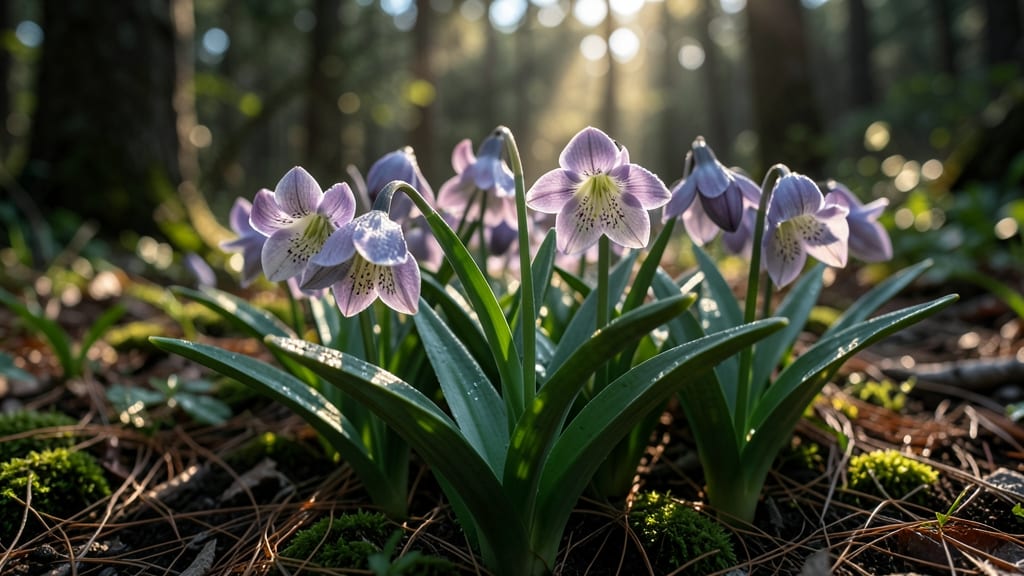
Struggling to grow vibrant flowers under trees? These shade-loving bulbs thrive where sunlight struggles, delivering stunning blooms with minimal effort—perfect for gardeners with shady spots.
Daffodils for Shady Gardens

If your garden has partial shade under trees or along north-facing walls, daffodils are the unsung heroes you’ve been missing. These cold-hardy bulbs don’t just tolerate shade—they naturalize over time, creating cheerful drifts of color where other plants refuse to grow.
Choose shade-tolerant varieties like ‘Ice Follies’ or ‘Thalia’ for reliable blooms in 3-6 hours of sunlight daily. Plant bulbs in well-drained soil 6-8 inches deep in fall, and they’ll reward you with deer-resistant blooms as early as February. Their toxic foliage deters pests while adding structure to shady borders.
Perfect for beginners or busy gardeners, daffodils bring early spring joy with almost no upkeep. Pair them with hostas or ferns for a layered, low-maintenance shade garden that thrives year after year. 🌱
Snowdrops for Early Bloomers

When winter still clings to the landscape, snowdrops (Galanthus) burst through the soil like tiny messengers of spring. These hardy bulbs defy the cold, often blooming as early as January or February, and they’re one of nature’s most reliable indicators that warmer days are coming.
Unlike many shade-loving bulbs, snowdrops thrive in deep, dense shade—even under the canopy of mature trees where sunlight barely reaches. Plant them in well-drained soil and watch them multiply over time, forming dense colonies that create a stunning white carpet by spring. Their delicate, nodding flowers also make them a favorite for woodland gardens and naturalistic plantings.
Perfect for gardeners who want early color with almost no effort, snowdrops are also deer-resistant and long-lived, making them a wise investment for shady spots. 🌱
Crocus in Deep Shade

Forget struggling to fill those dark corners under shrubs or trees—crocus bulbs are the secret weapon for late winter or early spring color where other plants refuse to grow. These tiny but mighty blooms push through cold soil and dappled shade, delivering cheerful purple, white, or yellow flowers when your garden needs them most.
Plant them just 3-4 inches deep in well-drained soil, and they’ll multiply over time, creating natural drifts. Unlike their sun-loving cousins, these shade-tolerant crocus varieties (like Crocus tommasinianus or Crocus vernus) thrive with as little as 2-4 hours of filtered light—perfect for spots where even ferns struggle. Their compact size (3-6 inches tall) makes them ideal for tucking into tight spaces.
Urban gardeners and woodland enthusiasts will love how these bulbs bring life to otherwise barren spots. Plus, they’re deer-resistant and require zero summer care—just let the foliage die back naturally. 🌷
Bleeding Heart Bulbs

Transform your shady garden borders into a romantic vertical display with bleeding heart bulbs (Dicentra spectabilis), whose heart-shaped blooms cascade like lace curtains. Unlike traditional bulbs, these perennials thrive in moist, well-drained soil—ideal for understory planting where other flowers falter.
Plant these bulbs in early fall for spring blooms, spacing them 12–18 inches apart in partial to full shade. Their fern-like foliage provides year-round texture, while the pink or white flowers (depending on variety) last 4–6 weeks. Mulch lightly to retain moisture, and avoid soggy soil to prevent rot.
Perfect for gardeners with woodland gardens or fence lines, bleeding hearts add drama without demanding full sun. Pair them with hostas or ferns for a lush, layered look. 🌷
Hellebores for Year-Round Interest

If you’ve ever longed for a garden that stays vibrant even in the darkest corners, hellebores (Helleborus)—or "Lenten roses"—are your secret weapon. Unlike many shade-loving bulbs that fade after spring, these evergreen perennials deliver year-round structure, with leathery foliage and late-winter blooms that defy the cold.
Thriving in deep shade where most plants struggle, hellebores bloom from February through April, often before snowdrops or crocuses. Their nodding flowers come in shades of white, pink, purple, and green, and they tolerate moist, well-drained soil—ideal for woodland gardens or under trees. Deadhead spent blooms to encourage more flowers, but leave the foliage for winter interest. These plants also resist deer and rabbits, making them a low-stress choice.
Perfect for gardeners who want low-maintenance elegance, hellebores pair beautifully with ferns, hostas, and other shade lovers. Their long lifespan (often decades) means you’ll enjoy them for years with almost no effort. 💚
Alliums for Dramatic Height

Need to add dramatic height to your shady garden without sacrificing blooms? Alliums (ornamental onions) deliver globe-shaped flowers that reach 2-4 feet tall, turning dull corners into pollinator magnets. Unlike sun-hungry perennials, these thrive in partial shade and even dappled light under trees.
Plant Allium giganteum or Allium schubertii in well-drained soil after the last frost for late spring blooms that last 4-6 weeks. Their spherical flower heads (in purple, white, or pink) attract bees and butterflies, while their grass-like foliage adds texture year-round. Deadhead spent blooms to encourage future growth, but leave foliage until it yellows naturally.
Perfect for woodland gardens, cottage-style borders, or containers, alliums bring vertical interest with minimal effort. Pair them with hostas or ferns for a layered shade garden that feels lush and intentional. 🌻
Tulips for Partial Shade

Think tulips only thrive in sunny spots? Think again—shade-tolerant tulip varieties like ‘Darwin Hybrid’ or ‘Fosteriana’ prove that bold blooms can flourish with just 3-6 hours of morning sun. These varieties prioritize color over sunlight, delivering vibrant cups and saucers from early to mid-spring when your garden needs a lift.
Plant bulbs in well-draining soil 6-8 inches deep in fall, and they’ll reward you with longer-lasting blooms than sun-dependent tulips. Their deeper roots access moisture from deeper soil layers, making them drought-tolerant once established. For best results, pair them with hostas or ferns to create a layered, low-maintenance shade garden.
Perfect for urban gardeners with limited sun or woodland gardeners seeking drama, these tulips prove that shade doesn’t mean sacrificing spring color. Their easy-care nature makes them ideal for first-time bulb gardeners too. 🌷