
Shrubs
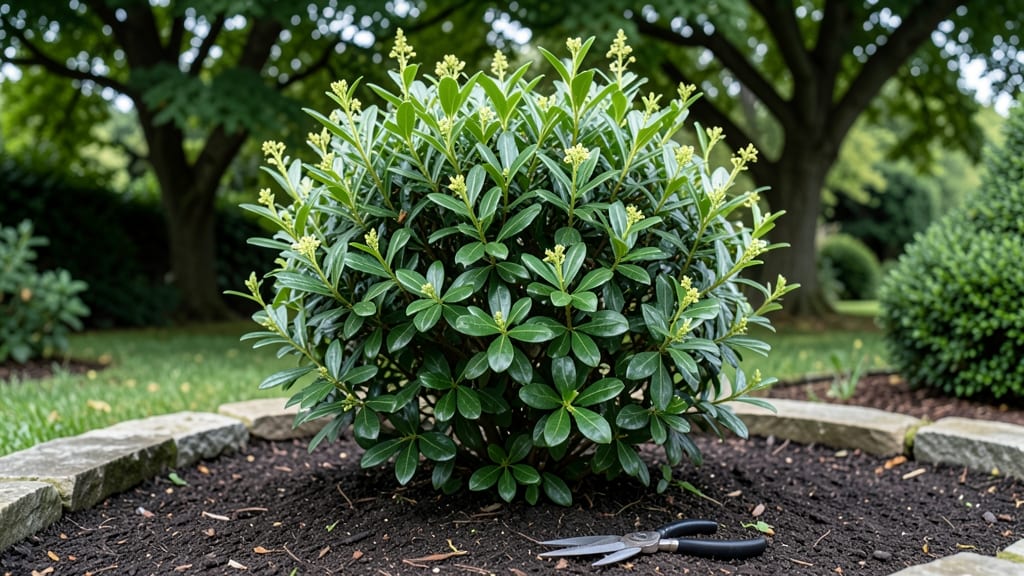
Growing boxwood shrubs for shade means lush, year-round privacy without fighting for light. 🌿 I planted mine under a dense oak canopy last spring, and they’ve thrived where nothing else would grow—dark green, dense, and perfectly manicured by summer’s end.
The secret isn’t forcing them to compete for sunlight but giving them the right conditions to thrive in low light.
Start with well-draining soil mixed with compost—boxwoods hate soggy roots. Plant in early spring or fall when temperatures are mild, and space them 18–24 inches apart for that classic, tidy look.
Mulch around the base to keep moisture in and weeds out, but avoid piling it against the stems. Water deeply once a week unless rain does the work for you.
Pruning is where the magic happens. Shear lightly in late spring to shape them, but never cut into old wood—it won’t regrow. In shaded spots, you’ll prune less often, but the result is a neat, dense hedge that stays vibrant even when other plants struggle.
The key? Be patient; boxwoods grow slowly but reward you with decades of reliable greenery.
Watch for boxwood blight in humid climates—it’s the biggest threat to shaded shrubs. Space plants for airflow, water at the base (not overhead), and remove infected leaves immediately. With the right care, your shade-loving boxwoods will outlast any trendy new plant and become the backbone of your garden’s privacy screen.
📚 In This Guide
- What you need
- Instructions
- Tips and common mistakes
- Wrapping up and next steps
What you need
- ● Boxwood shrubs: Choose Buxus sempervirens (English boxwood) or Buxus microphylla (littleleaf boxwood) for shade tolerance. Aim for 3–5 mature plants (3–5 ft tall) per 10 ft of space for a dense hedge.
- ● Well-draining potting mix or garden soil: 50 lbs of organic compost or peat-based mix (amend heavy clay soil with perlite or sand for aeration).
- ● Mulch: 2–3 inches of shredded bark or pine needles to retain moisture and suppress weeds.
- ● Slow-release fertilizer: 10–10–10 NPK (1 lb per 10 sq ft) or an organic option like fish emulsion.
- ● Pruning shears: Bypass pruners (sharp, 6–8 inch blades) for clean cuts.
- ● Garden gloves & knee pads: Protect your hands and knees during planting!
- ● Shovel or spade: For digging holes twice as wide and deep as the root ball.
- ● Measuring tape: To space plants 3–5 ft apart (closer for tighter hedges).
- ● Watering can or hose with nozzle: Gallon-per-minute flow for deep watering.
- ○ Stakes & twine (optional): For young shrubs in windy areas.
- ○ Soil pH test kit (optional): Boxwood thrives in acidic soil (pH 6.0–7.0).
- ● A shady or partially shady spot (dappled sunlight or <6 hours of direct sun daily).
- ● Well-draining soil—avoid waterlogged areas (boxwood hates soggy roots!).
- ● Patience! Boxwood grows 6–12 inches per year; full privacy may take 3–5 years.
Step-by-step guide to planting boxwood shrubs in shady spots
Boxwoods handle shade beautifully—here's how to plant them for lush, evergreen privacy that lasts.
🌿 Step 1: Choose the Right Location and Planting Time
Boxwoods thrive in partial to full shade, but they still need at least 3-4 hours of dappled sunlight daily to maintain dense foliage. Scan your yard for spots where sunlight filters through trees or where buildings create natural shade. Avoid areas where water pools—boxwoods hate soggy roots.
Plant in early spring or fall when temperatures are mild (50-70°F). Spring planting gives roots time to establish before summer heat, while fall planting avoids winter stress. If you must plant in summer, do it on a cool, cloudy day to reduce transplant shock.
🪴 Step 2: Prepare the Soil and Dig the Hole
Boxwoods prefer well-draining, slightly acidic soil (pH 6.0-7.0). If your soil is heavy clay, mix in 2-3 inches of compost into the top 12 inches of soil before planting. Avoid fresh manure—it can burn tender roots.
Dig a hole twice as wide as the root ball but only as deep as the container. Loosen the roots gently if they’re circling the pot—this encourages outward growth. Place the shrub in the hole so the top of the root ball sits level with the surrounding soil. Boxwoods hate being buried too deep.
💧 Step 3: Water Thoroughly and Mulch Properly
Water the plant deeply right after planting—soak the soil until water drains from the bottom of the hole. This settles the roots into place. Over the next 2-3 weeks, water once a week (or more in extreme heat) to keep the soil evenly moist but not soggy. You’ll know it’s right when the top 1-2 inches of soil feel damp but not wet.
Spread 2-3 inches of mulch (like shredded bark or pine straw) around the base, keeping it 3 inches away from the trunk to prevent rot. Mulch helps retain moisture and keeps roots cool in summer. Replenish mulch annually—it breaks down faster in shady spots.
☀️ Step 4: Prune for Shape and Health
Wait 6-8 weeks after planting before pruning—let the shrub adjust first. Use clean, sharp pruners to shape boxwoods in early spring or right after flowering. Cut just above a leaf bud or branch junction to encourage bushy growth. Avoid heavy pruning in fall—it can stress the plant before winter.
For privacy screens, space shrubs 3-4 feet apart in rows. Prune the outer branches to create a tapered shape—this lets light filter through while maintaining density. Boxwoods grow 6-12 inches per year, so annual shaping keeps them neat and full.
⏰ Step 5: Monitor and Maintain Through Seasons
Check boxwoods monthly for pests like boxwood leafminers or spider mites—shady spots can trap moisture, inviting infestations. Spray with neem oil at the first sign of damage. In winter, cover young plants with burlap if temperatures drop below 10°F to prevent frost damage.
Fertilize once a year in early spring with a balanced, slow-release fertilizer (10-10-10). Scatter granules around the drip line (not the trunk) and water deeply. Over-fertilizing causes weak growth and attracts pests—stick to the ½ cup per shrub rule for mature plants.
Tips & tricks for perfect boxwood shrubs in shade
These simple tricks will help your boxwoods thrive in shady spots for years to come.
The Light Factor: That 3-4 hours of dappled sunlight is non-negotiable for dense foliage. I've seen boxwoods in deep shade become sparse and leggy—look for spots where sunlight filters through tree branches or reflects off buildings. Morning sun is ideal because it's gentler than harsh afternoon rays. If your yard has no natural light, consider adding a small solar light near the plants to encourage growth.
Soil Prep Secret: For heavy clay soil, mix in that 2-3 inches of compost into the top 12 inches—this improves drainage and aeration. I like to add a handful of perlite to the hole mix too, especially in shady areas where water can pool. The goal is to mimic the well-draining, slightly acidic conditions boxwoods love in the wild.
Planting Depth Check: The top of the root ball should sit level with the surrounding soil—never buried deeper. I've made this mistake and ended up with plants that struggled to establish. To test, hold the plant at ground level and check the root flare (where roots meet the trunk) is visible above soil. This ensures proper airflow and prevents rot.
Mulching Strategy: That 2-3 inches of mulch should stay 3 inches away from the trunk—this prevents moisture buildup that causes rot. I use pine straw because it breaks down slowly and mimics the natural forest floor environment. In winter, add an extra inch of mulch to insulate roots from temperature swings, especially if you're in a zone with winter lows near 10°F.
Pro Tips for Boxwood Shrub For Shade
- These simple tricks will help your boxwoods thrive in shady spots for years to come.
- The Light Factor: That 3-4 hours of dappled sunlight is non-negotiable for dense foliage.
- Soil Prep Secret: For heavy clay soil, mix in that 2-3 inches of compost into the top 12 inches—this improves drainage and aeration.
Frequently asked questions
Got questions about growing boxwood shrubs in shady spots?
Here are some of the most common ones—plus quick, practical answers to help you thrive!
Can boxwood shrubs survive in full shade?
Boxwoods are one of the toughest evergreens for shade, thriving in full to partial shade (even under tall trees). Just ensure they get at least 4–6 hours of dappled light daily for best growth. Varieties like Buxus sempervirens ‘Suffruticosa’ handle deep shade better than others.
How long does it take for boxwoods to grow in shade?
Boxwoods grow slowly—expect 6–12 inches per year in ideal conditions. In deep shade, growth may be half that speed. For privacy screens, plant them closer together (3–4 feet apart) and be patient! With proper care, they’ll fill in beautifully over 3–5 years.
What pests or diseases should I watch for in shady boxwoods?
Shady boxwoods are still prone to boxwood blight, mites, and boxwood leafminers. To prevent issues:
- Avoid overhead watering (keep foliage dry).
- Prune in late winter for airflow.
- Use fungicides if you spot dark spots or wilting.
Are there shade-tolerant boxwood alternatives?
If boxwoods seem too finicky, try these low-maintenance evergreen alternatives for shade:
- Holly (Ilex) – Disease-resistant and glossy.
- Inkberry (Ilex glabra) – Thrives in wet, shady soil.
- Dwarf Alberta Spruce – Slow-growing and dense.
- Pieris Japonica – Floral interest + shade tolerance.
Can I transplant mature boxwoods into shade?
Yes, but timing is key! Transplant in early spring or fall when temps are mild. Dig a hole twice as wide as the root ball, amend with compost, and water deeply for the first 2 weeks. Mulch heavily to retain moisture—shady spots dry out slower, but roots still need hydration!
Wrapping up and next steps
Boxwood shrubs are the perfect evergreen solution for adding privacy, structure, and beauty to shady spots in your garden. With their low-maintenance nature and ability to thrive in deep shadows, they’re a smart choice for both beginners and seasoned gardeners.
Whether you’re shaping a hedge, framing a window, or adding texture to a woodland garden, boxwoods deliver year-round charm with minimal fuss.
Ready to transform your shady space? Start by selecting the right variety for your climate and soil, then plant with confidence—your future garden will thank you! 🌿✨