
Shrubs
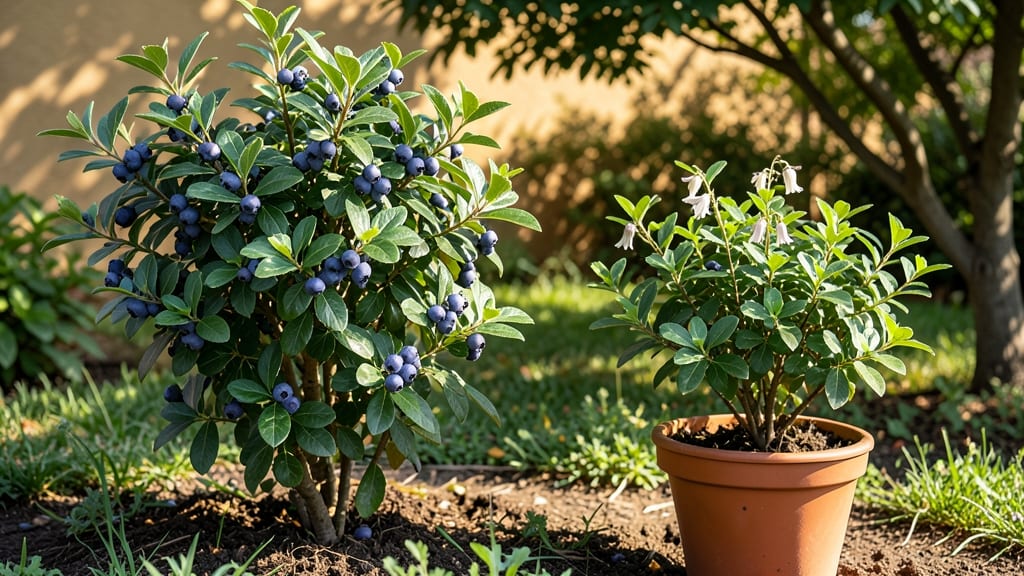
A thriving blueberry bush thrives in sun or shade, but balancing light exposure is key to growing sweet, juicy berries—here’s how to get it right.
You’ve probably heard conflicting advice—some say blueberries thrive in shade, while others swear by full sun. The truth is, it depends on your climate and variety, but getting the balance right is the key to bigger, juicier berries.
In hotter regions like Zone 6a, afternoon shade can protect your bushes from scorching while still letting them soak up morning sun. Meanwhile, northern varieties often handle full sun better, provided they get enough water.
Below, I’ll break down the best light conditions for your blueberry bushes, how to spot when they’re struggling, and simple fixes to keep them thriving—no guesswork required.
 Best Window Placement
How much sun do blueberry bushes need for optimal berry production?
Blueberry bushes thrive when given the right balance of sunlight, but their needs vary depending on the variety and climate. Northern highbush types, like 'Bluecrop' or 'Jersey,' crave full sun exposure to produce the largest, sweetest berries.
Meanwhile, southern highbush varieties, such as 'Southern Highbush,' can tolerate slightly more shade, especially in scorching climates. Rabbit-eye blueberries, common in the Southeast, also prefer full sun but can handle partial shade better than their northern counterparts.
Without enough light, your bushes may produce fewer berries or none at all.
For most blueberry varieties, 6 to 8 hours of direct sunlight daily is ideal. This ensures strong growth, abundant flowering, and a bountiful harvest.
However, in hotter climates, like the Deep South or Southwest, afternoon shade can prevent leaf scorch while still allowing morning sun for photosynthesis. Morning sunlight is especially valuable because it dries dew quickly, reducing fungal risks like botrytis blight.
If you're growing blueberries in USDA Zones 3-5, prioritize full sun locations. In these cooler regions, shade can delay ripening and reduce fruit quality.
Conversely, in Zones 7-9, partial shade—especially in the afternoon—can protect bushes from heat stress while maintaining productivity. Microclimates matter: A spot near a building or tree may offer partial shade, so observe sunlight patterns before planting.
When selecting a planting spot, consider the direction of sunlight. South-facing locations in the Northern Hemisphere receive the most consistent light, while west-facing spots can deliver intense afternoon sun that may require shade adjustments. East-facing gardens provide gentle morning light, ideal for cooler climates.
If your yard lacks full sun, try container growing on a sunny patio or balcony, where you can move pots to follow the sun.
Adjusting sunlight exposure can dramatically improve your harvest. For example, if your southern highbush shows signs of heat stress—like yellowing leaves or stunted growth—provide afternoon shade with a lightweight shade cloth (30-50% coverage).
Conversely, if your northern highbush isn’t flowering well, relocate it to a sunnier spot or prune nearby trees to increase light penetration. Pruning overgrown branches in late winter can also open the canopy for better sunlight distribution.
In urban gardens with limited space, prioritize blueberry varieties that tolerate partial shade, like 'Top Hat' (a dwarf southern highbush). These compact bushes thrive in 4-6 hours of sun and are perfect for balconies or small yards.
However, even shade-tolerant varieties will produce fewer and smaller berries without adequate light. Supplement with grow lights during winter months in cloudy regions to extend the growing season and boost fruit production.
Soil health plays a secondary but critical role in sunlight efficiency. Acidic, well-draining soil (pH 4.5-5.5) helps blueberries absorb nutrients even in less-than-ideal light conditions.
Amend your soil with peat moss or sulfur to maintain acidity, and mulch with pine needles or wood chips to retain moisture and regulate temperature. Consistent moisture is key: dry soil stresses bushes, making them more susceptible to light-related issues.
Monitor your blueberry bushes throughout the growing season to fine-tune their sunlight exposure. Observe leaf color: dark green leaves indicate healthy growth, while pale or yellowing leaves suggest insufficient light or nutrient deficiencies. Track berry development: if flowers drop off or berries remain small, your bushes may need more sun.
Conversely, leaf scorch or crisp edges signal too much direct sunlight, especially in hot afternoons.
For the best results, combine proper sunlight with seasonal care adjustments. In spring, fertilize with an acid-loving plant food to support new growth, and in summer, water deeply to prevent stress.
By aligning your blueberry bushes with their ideal light conditions, you’ll enjoy larger, sweeter berries and a more productive harvest year after year.
Signs your blueberry bush isn’t getting the right light (and how to Fix it)
If your blueberry bush is struggling to produce fruit or looks unhealthy, light exposure might be the culprit. Too much sun can scorch leaves, while too little shade can stunt growth and reduce flowering. I’ve seen firsthand how 6+ hours of sunlight transforms a struggling bush into a berry-producing powerhouse.
Start by observing your bush’s leaf color and berry size. Yellowing leaves or small, tart berries are classic signs of light-related stress. Even experienced gardeners sometimes misjudge their blueberry’s needs—especially in hot climates where afternoon shade becomes essential.
Too much sun: Brown, crispy leaf edges (leaf burn) or bleached white patches. Too little sun: Pale, sparse leaves and tiny, underdeveloped berries. Both extremes reduce fruit quality and yield.
Quick Fix: Move bushes to morning sun + afternoon shade in hot zones. Use a light meter (or phone app) to track 6+ hours of sunlight daily.
One of my blueberry bushes in Zone 8 suffered from leaf burn last summer until I relocated it under a dappled shade tree. The difference was immediate—larger berries and healthier foliage within weeks. The key is balancing direct sunlight with protection from intense afternoon rays.
Check for poor flowering in spring, another red flag. Blueberries need sunlight to trigger fruit bud formation. If your bush flowers sparsely, it’s likely not getting enough light. Prune back any dense growth to improve air circulation and light penetration to the inner branches.
For small berries, the issue might be inconsistent sunlight. Blueberries need steady light to develop properly. Try mulching with straw to retain moisture and improve soil temperature, which indirectly supports better light absorption. Avoid thick mulch layers that block light from reaching the base.
If relocating isn’t an option, prune strategically to open up the bush’s canopy. Remove overlapping branches that cast shade on others. This simple step can increase sunlight exposure by up to 30% in dense bushes. Pair this with regular watering to keep the plant healthy during transitions.
Remember, blueberry bushes are adaptable but finicky about light. Monitor your bush’s progress after adjustments—healthier leaves and bigger berries will confirm you’ve found the perfect balance. With the right light, your bush will reward you with plump, sweet berries for years to come! 🌱🫐