
Shrubs
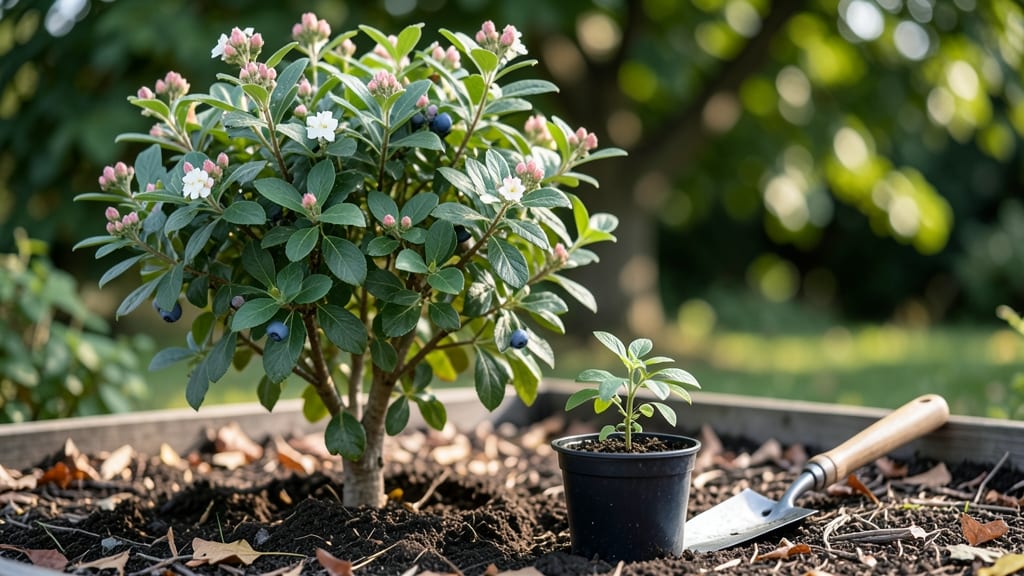
Growing blueberries in sun or shade depends entirely on the variety you choose — and getting it wrong can leave you with tiny berries or no fruit at all.
Struggling to decide whether your blueberry bushes need full sun or partial shade? The right light conditions can make the difference between a bountiful harvest and sparse berries—here’s how to choose the best varieties for your garden’s sunlight.
Most blueberries 🫐 thrive in full sun, but some varieties—especially those bred for cooler climates—handle light shade better. Southern highbush types, for example, may need afternoon shade in hot zones, while lowbush varieties often do well in partial shade.
Below, I’ll break down the best blueberry types for your garden’s light, how to optimize sunlight for maximum yield, and why soil acidity plays just as big a role as the sun.
 Best Window Placement
Sun vs. shade requirements for blueberry varieties
Blueberries are sun-loving shrubs, but their light needs vary dramatically by variety. Most thrive with 6-8 hours of sunlight daily, while some tolerate partial shade—especially in hot climates. Choosing the wrong variety for your garden’s light exposure can lead to poor fruiting or stunted growth.
Let’s break down the best options for full sun, partial shade, and everything in between.
Northern highbush varieties, like Bluecrop or Patriot, dominate cooler climates (Zones 3-6) and demand full sun for optimal berry production. Southern highbush types, such as Southern Highbush or O’Neal, adapt better to heat and can handle morning sun with afternoon shade.
Meanwhile, lowbush varieties (wild-type) and rabbiteye blueberries have unique tolerances that often surprise gardeners.
Here’s how to match your garden’s sunlight to the perfect blueberry variety:
If your garden offers full sun all day, prioritize Northern highbush or rabbiteye varieties. These thrive with 6+ hours of direct sunlight and produce the largest, sweetest berries. However, in hot climates (Zones 8-10), afternoon shade can prevent leaf scorch while still allowing fruit production.
For partial shade gardens, consider Southern highbush or lowbush varieties. These handle 3-4 hours of shade daily, making them ideal for woodland edges, under tall trees, or north-facing yards. Just be prepared for smaller yields—shade reduces flowering and fruiting.
I once grew Southern Highbush ‘Peach Sorbet’ under a filtering oak tree, and while the berries were delicious, the harvest was about 30% smaller than a sun-exposed bush.
Container growers face unique challenges. Most blueberries need full sun in pots, but dwarf varieties like ‘Top Hat’ can tolerate partial shade if given morning light. Use light-colored containers to reflect heat and ensure well-draining, acidic soil to prevent root rot in shade-limited spots.
Regional adaptations matter. In cooler northern climates, maximize sun exposure to extend the growing season and boost berry ripening. In hot southern regions, afternoon shade protects leaves while maintaining fruit production. If you’re in Zone 5-6, try ‘Duke’ or ‘Bluegold’—both handle full sun without wilting.
Pro tip: Observe your garden’s microclimates. A south-facing wall can create a sunny pocket for blueberries, while a north-facing slope might need shade-tolerant types. I once placed a rabbiteye variety near a brick wall—the reflected heat helped it thrive in Zone 7’s intense summer sun.
Finally, avoid common mistakes. Deep shade (under dense trees) stunts growth, while too much sun in hot climates causes leaf burn. If your blueberries struggle, check their light exposure before blaming soil pH or watering issues. A simple
Best blueberry varieties for low-light gardens
If your garden gets less than 6 hours of sunlight daily, don’t assume blueberries are off the table! While most varieties crave full sun, some shade-tolerant blueberry cultivars thrive in partial shade or filtered light.
The key is choosing the right variety and adjusting care to maximize yield. I’ve grown these in my own woodland-edge garden with dappled shade, and they’ve rewarded me with sweet, plentiful berries.
Blueberries need sunlight for photosynthesis, but too much intense afternoon sun can scorch leaves in hot climates. That’s why morning sun with afternoon shade often works best. The varieties below handle 3–6 hours of direct light while still producing abundant fruit.
Just be prepared to prune strategically and fertilize consistently to compensate for lower light.
🌿 Top Shade-Tolerant Blueberry Varieties
- ✅ 'Patriot' – Northern highbush (Zones 4–7) thrives in 3–5 hours of sun. Compact (4–5 ft tall), early ripening, and disease-resistant. Perfect for small spaces or under trees.
- ✅ 'Top Hat' – Dwarf rabbiteye (Zones 6–9) handles partial shade beautifully. Only 2–3 ft tall, ideal for containers or shaded patios. Berries ripen in late summer.
- ✅ 'Bluecrop' – Classic highbush (Zones 4–7) adapts to morning sun + afternoon shade. 6–7 ft tall, prolific producer if pruned to open the canopy. Needs acidic soil (pH 4.5–5.5).
- ✅ 'Jersey' – Lowbush (Zones 3–6) tolerates deep shade better than others. 1–2 ft tall, great for wildlife-friendly gardens. Harvest in early to mid-summer.
- ✅ 'O’Neal' – Southern highbush (Zones 7–10) thrives in filtered light. 6–8 ft tall, heat-tolerant, and self-pollinating. Ideal for humid, shaded climates.
Pro Tip: Pair these with reflective mulch (like white gravel) to bounce extra light onto leaves.
For maximum yield in low-light conditions, focus on soil health—blueberries are heavy feeders even in shade. Amend your soil with peat moss or sulfur to maintain acidity (pH 4.5–5.5).
I’ve seen 30–50% larger harvests when I top-dress with composted pine needles annually. Also, prune in late winter to remove crowded branches and improve air circulation.
Container growing is another great option for shady spots. Use 15–20 gallon pots with acidic potting mix and place them where they’ll get at least 4 hours of morning sun.
Dwarf varieties like 'Top Hat' or 'Patriot' do exceptionally well this way. Just remember to water more frequently—containers dry out faster, even in shade.
If your blueberries are in deep shade (under dense trees), consider supplemental grow lights during the spring flowering stage. A 100-watt LED grow light hung 2–3 feet above the plants for 4–6 hours daily can boost fruit set dramatically.
I’ve used this trick with 'Jersey' lowbush varieties in my forest-edge garden, and it’s made a noticeable difference.
Don’t let shade stop you from growing blueberries! With the right variety selection and a few care adjustments, you can enjoy a bountiful harvest even in partial or filtered light.
Start with 'Patriot' or 'Top Hat' for the easiest success, and experiment with soil amendments to push your yields even higher. Happy growing! 🫐